


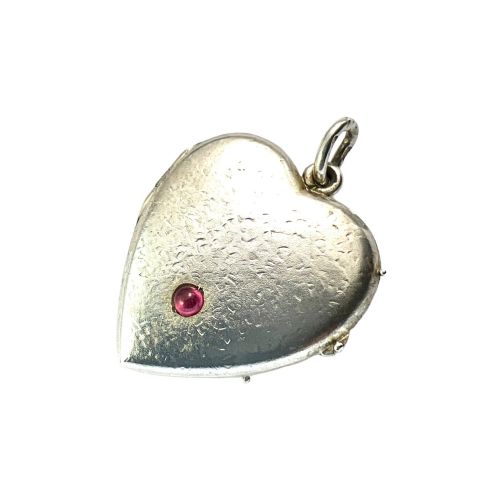


Antique Locket Charm
An antique locket charm holds small portraits or tokens close, combining wearable jewellery with personal history.
Antique Locket Charm
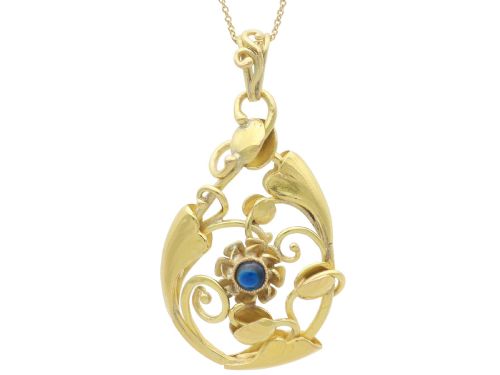
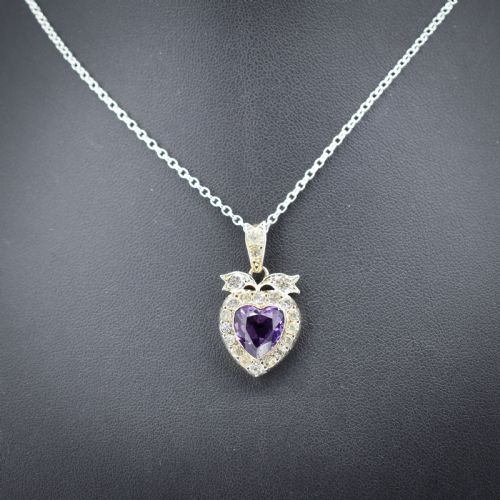
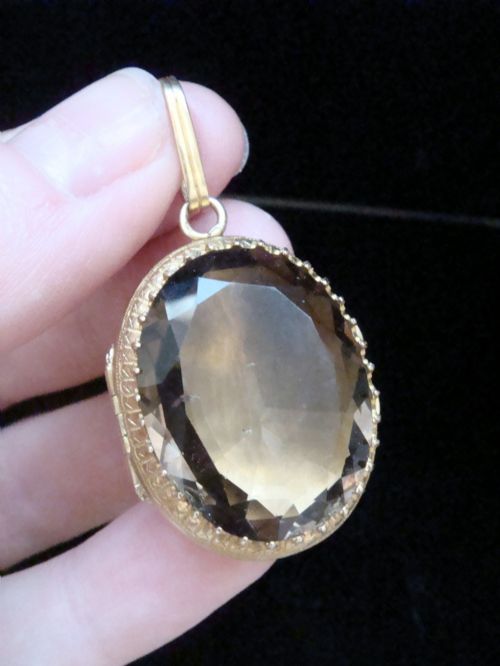
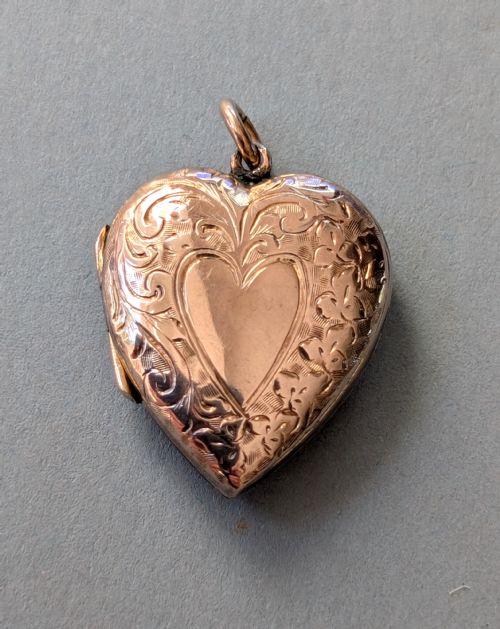
An antique locket charm is a miniature receptacle worn about the neck or attached to a bracelet, designed to open and conceal a photograph, lock of hair or tiny memento. The pieces seen here span the Victorian, Edwardian and later twentieth-century eras, manifesting in gold, silver and enamel.
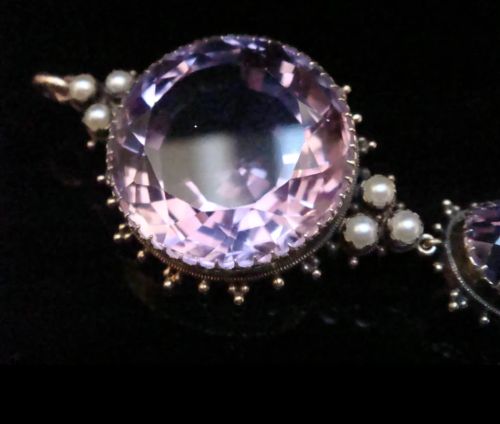
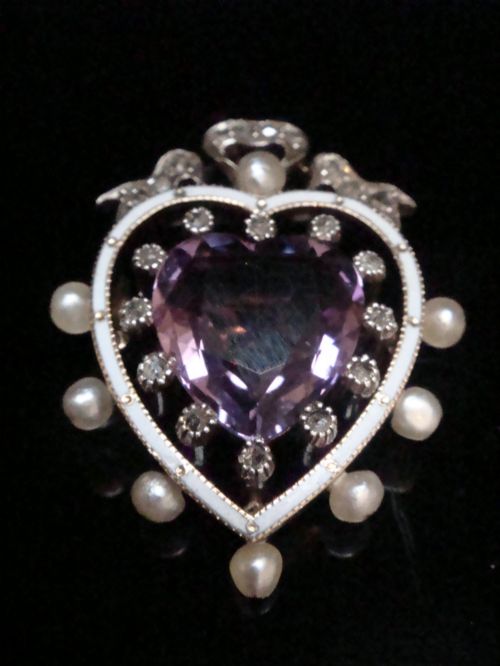
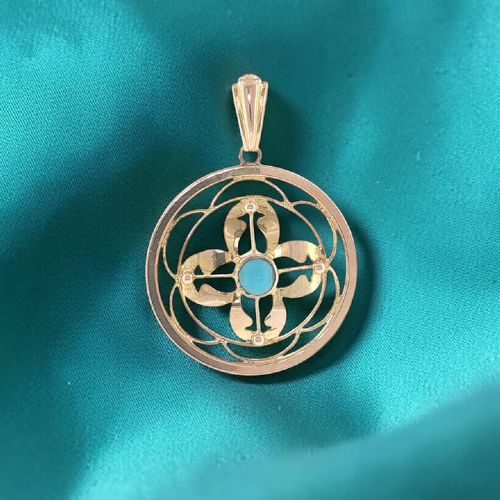
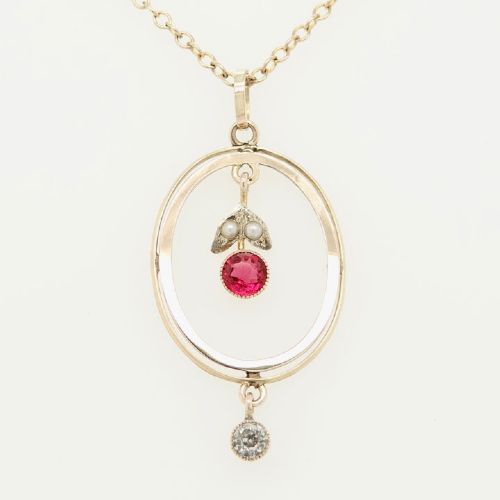
Heart shapes, padlocks and round pendants predominate among these examples, often executed in nine-carat or fifteen-carat gold as well as sterling silver. Buyers frequently encounter pieces embellished with seed pearls, turquoise, amethyst and old-cut diamonds.
Originating largely from British and French workshops, these items served as sentimental gifts, tokens of remembrance or marks of fashion. Their dual function as both charm and locket distinguishes them from standard pendants.
Materials and Construction
Metals such as nine-carat yellow gold, rose gold and sterling silver form the structural basis of these items, shaped through casting, stamping and hand engraving. Higher carat variants, including fifteen-carat and eighteen-carat gold, appear alongside French gold medals and pendants.
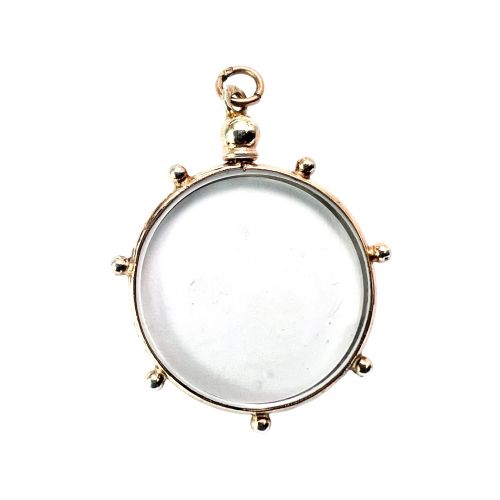
Surface ornamentation relies on guilloche enamel, delicate seed pearl settings, paste stones and hand-cut diamonds. Glass-topped compartments and hinged bezels allow miniature photographs or woven hair to sit securely within the metal framework.
Antique Locket Charm Retail Price Guide 2026
Typical asking prices for locket charm among the pieces listed under this phrase on Sellingantiques today, from the lower quarter to the upper quarter. They describe what is for sale here now, not the wider market.
Listings feature yellow gold, rose gold and sterling silver across Victorian, Edwardian and Art Deco periods.
Distinctions in Quality
The finesse of the hand engraving and the crispness of repoussé detailing separate standard production from finer goldsmith work. Superior pieces exhibit tight hinge movement, secure snap closures and well-matched gemstones rather than glued substitutes.
The depth of the gold carat and the integration of natural materials such as seed pearls and diamonds elevate the standing of a piece. Original components, including glass inserts and inner frames, preserve the integrity and desirability of the locket.
Albert Ernest Jenkins
The Antique Locket Charm Glossary
- Guilloche enamel
- A decorative technique where enamel is applied over engine-turned metalwork. This creates a translucent pattern beneath the coloured glass surface.
- Puffy heart
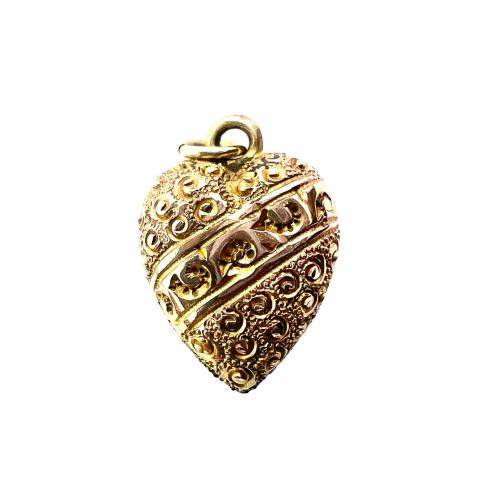
- A three-dimensional hollow heart pendant made from two embossed metal halves soldered together. They were immensely popular during the Victorian and Edwardian periods for holding keepsakes.
- Padlock charm
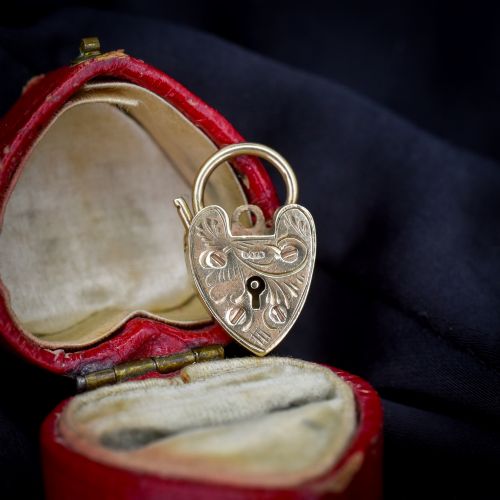
- A small locket shaped like a functional padlock, often engraved with floral or geometric motifs. These frequently served as charms on bracelets or pendants on short chains.
- Paste
- Hand-cut lead glass used to imitate gemstones. In antique jewellery, paste is valued for its independent brilliance and historical cutting techniques.
- Vinaigrette
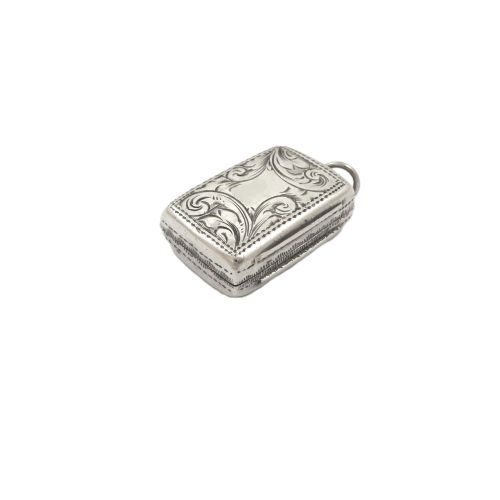
- A small ornamental box or locket containing a perforated grille over a sponge soaked in aromatic vinegar. Victorians carried these to ward off unpleasant odours.
Antique Locket Charm: Frequently Asked Questions
How do I open an antique locket?
Most lockets use a small thumbnail catch or a subtle hinge mechanism along the side or top edge. Gently apply pressure with a fingernail or a non-scratch tool to release the spring-loaded or snap-fit cover.
Avoid forcing stuck lockets, as centuries-old hinges can warp or snap under improper pressure. A jeweller can safely free stubborn latches without damaging the surrounding metalwork.
How do I clean antique gold and silver?
Use a soft, dry microfibre cloth to gently polish the exterior metal and remove surface oils from daily wear. Avoid harsh chemical dips, ultrasonic cleaners or abrasive pastes that can strip fine engravings or dislodge seed pearls.
Stones like turquoise and pearls are particularly porous and sensitive to moisture. Keep them away from immersion in water and consult a specialist for deeper cleaning needs.
Can I wear a locket charm every day?
While these pieces were made to be worn, their age requires a degree of mindfulness from the owner. Thin gold walls, delicate hinges and glass components mean they benefit from being removed before heavy physical tasks.
Store the locket in a dedicated lined box or pouch when not in use to prevent scratching against other jewellery. Regular checks of jump rings and chains will ensure the piece remains secure.