
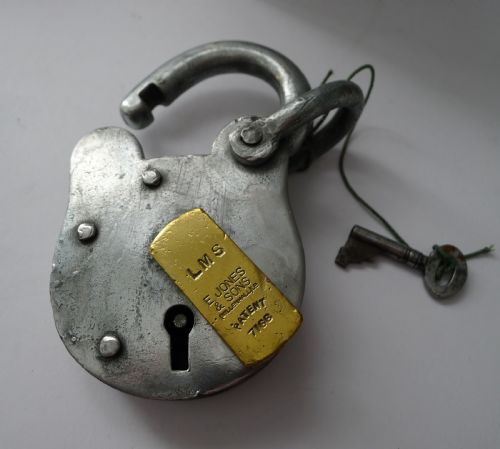

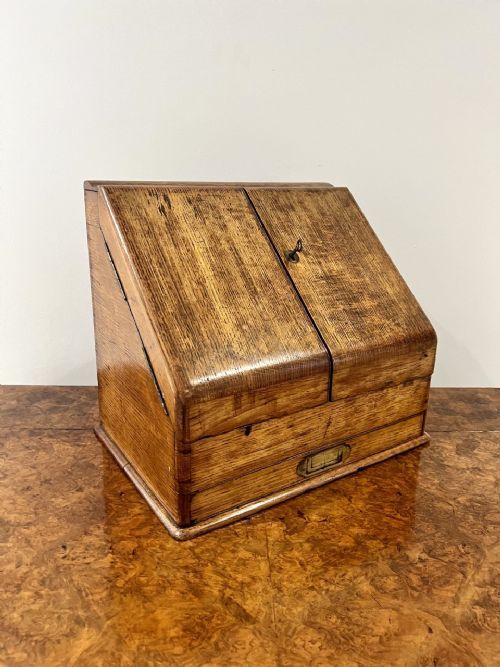


Antique Lock with Key
An antique lock with key secures the heritage of writing slopes, cabinets, and chests across Victorian, Georgian, and earlier centuries.
Antique Lock with Key
When searching for an antique lock with key, buyers encounter diverse domestic hardware and fitted containers spanning the 18th century, the 19th century, Edwardian eras, and 1900. These objects include standalone brass and steel locks with keys, alongside integrated security mechanisms fitted to tea caddies, writing slopes, and storage chests.
The version most frequently met on this page is the secure container or fitted box, such as a Victorian walnut writing slope or a Georgian mahogany corner cabinet, complete with working keys. Alongside these functional furniture pieces, standalone box locks, padlocks, and safes from makers like Milners and George Price appear regularly in brass, steel, and iron.
The periods represented stretch from the 17th century through to the Edwardian period and Spanish Colonial styles, demonstrating how security and craftsmanship evolved across oak, mahogany, walnut, and wrought iron forms. Each piece bridges utility and decorative arts, retaining the original keys that authenticate its operational history.
Materials and methods of construction
The construction of these pieces relies heavily on robust metals combined with dense hardwoods, as seen in steel and brass padlocks, cast iron safes, and wrought iron box locks. Lock mechanisms utilise brass embellishments and precision engineering, exemplified by Bramah locks fitted within figured walnut and mahogany writing slopes.
Cabinetmakers and metalworkers shaped golden oak, Spanish walnut, and polished steel to create durable housings for valuable goods, letter boxes, and document chests. Internal compartments, secret drawers, and multi-drawer collector cabinets demonstrate meticulous joinery alongside functional security hardware.
Secret drawers within writing slopes remain hidden behind false panels, waiting for a hidden spring or key turn to reveal their contents.
Factors determining quality
Quality in these pieces rests upon the integrity of the original locking mechanism and whether the accompanying key remains operational. Finer examples feature sophisticated engineering, such as Bramah locks, paired with high-grade secondary materials like figured walnut, brass binding, and meticulous internal cabinet work.
The distinction between standard utility items and superior examples lies in the survival of original mounts, keys, and decorative brass embellishments without later replacement. Execution of carved details on oak coffers and the preservation of fully restored, working fireproof safes further separate utilitarian items from collector-grade pieces.
George Price·Milners Safe
The Antique Lock with Key Glossary
- Bramah lock
- A high-security cylindrical lock patented in the late 18th century. It is known for its complex mechanism and is frequently found on luxury Victorian writing slopes.
- Tantalus
- A locking drinks cabinet that holds decanters securely visible while preventing unauthorised access. This form typically dates to the Victorian or Edwardian periods.
- Writing slope
- A portable slant-topped desk containing compartments for stationery and ink. These pieces often incorporate secret drawers and sophisticated locking systems.
- Coffer
- A heavy wooden chest used for storage, often secured with a robust iron lock and key. Many examples feature period carved oak panels from the 17th and 18th centuries.
- Padlock
- A detachable portable lock with a shackle that can be opened or closed. Large English examples combine polished steel and brass with original keys.
Antique Lock with Key: Frequently Asked Questions
What is a Bramah lock?
A Bramah lock is a high-security mechanism invented in the 18th century, celebrated for its pick-resistant cylindrical design and precision engineering.
Such locks were frequently fitted to luxury writing slopes and cabinets during the Victorian era to safeguard private documents and valuables.
How do I secure an antique safe?
Antique safes, such as cast iron models from the Victorian period or 1900, operate using their original heavy-duty keys and internal boltwork.
Regular gentle maintenance of the metal mechanism ensures the locking bolts engage smoothly within the heavy door frame.
Can I get replacement keys made?
Replacement keys can sometimes be fashioned by specialist locksmiths for simpler box locks and cabinet hardware found on period furniture.
However, pieces retaining their original working keys command greater authenticity for collectors of antique boxes and desks.
How do I date a locking coffer?
Dating a coffer involves examining the construction methods, such as hand-cut dovetails, panel thickness, and the style of the iron lock mechanism.
Georgian and earlier 17th-century examples typically display pegged oak framing and forged wrought iron hardware rather than mass-produced machine components.