

Antique Lion Sculpture
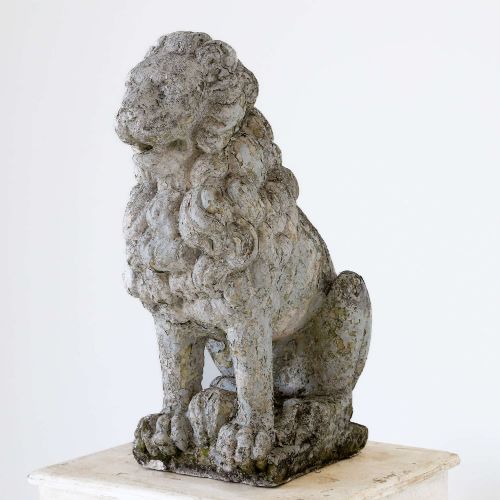
These pieces of antique lion sculpture range from grand Grand Tour souvenirs in bronze and marble to heavy iron doorstops.
Antique Lion Sculpture
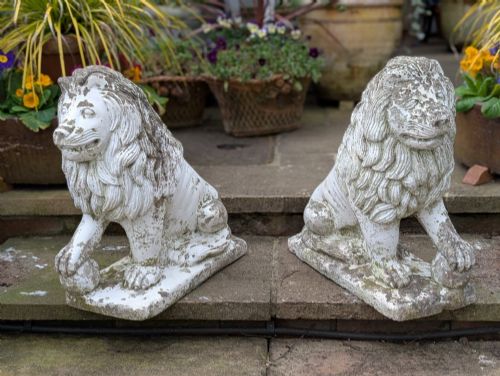
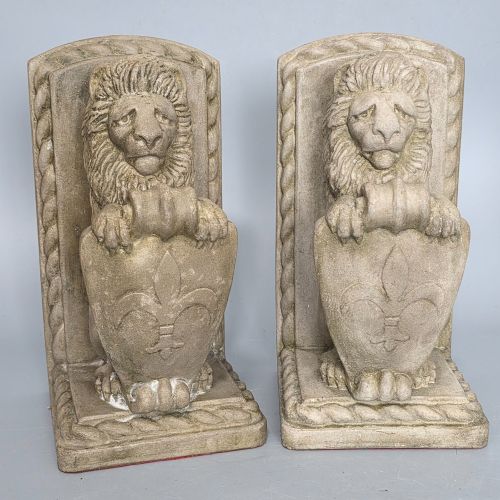
An antique lion sculpture can take many forms, from domestic items like bookends and doorstops to grand garden statues and classical desk ornaments. Buyers seeking an antique lion sculpture frequently encounter 19th-century interpretations alongside earlier 17th-century wood carvings and cast iron architectural pieces.
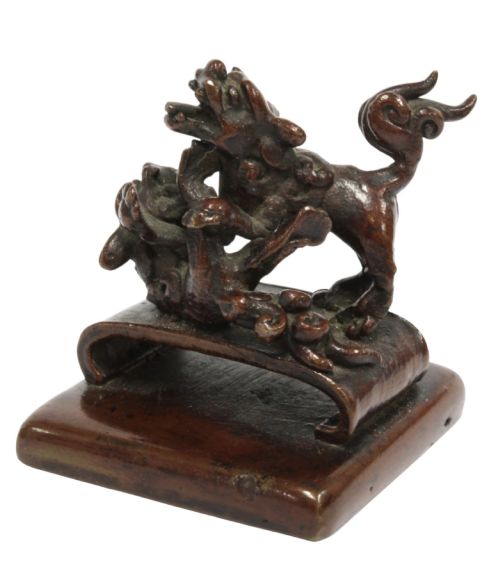
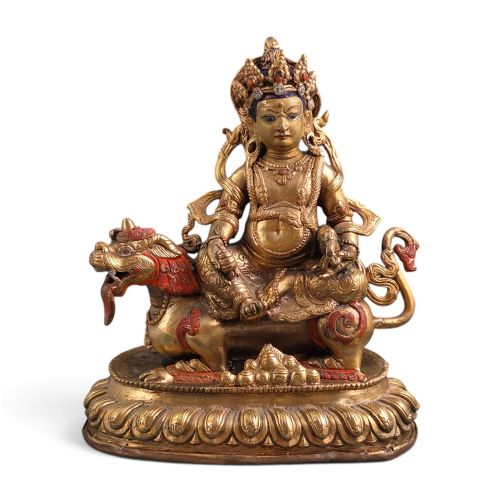
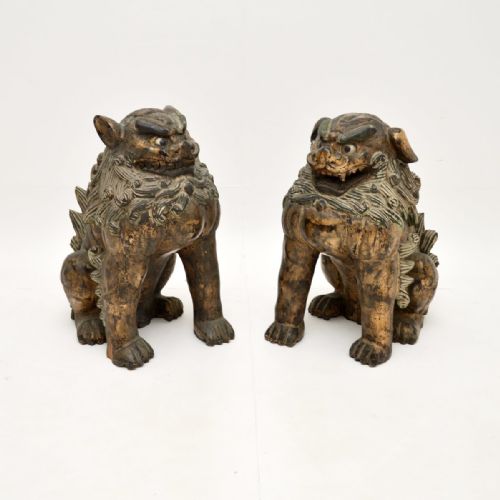
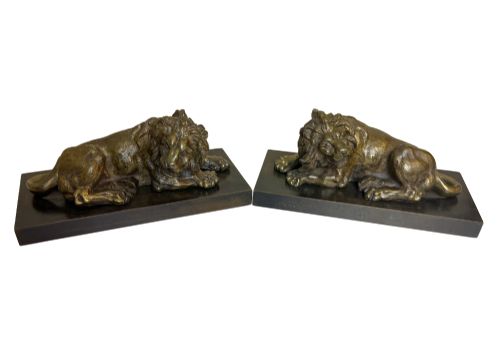
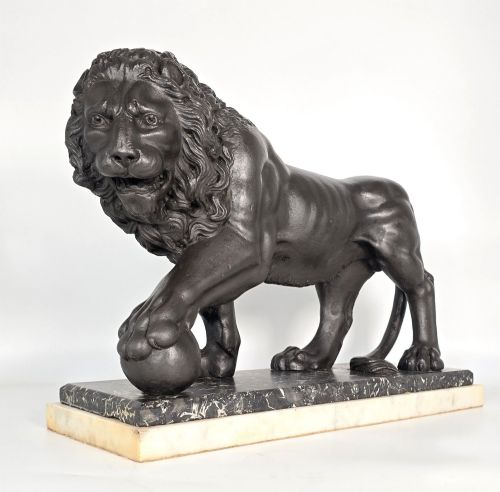
The selection encompasses diverse cultural traditions, including Chinese bronze scholar's seals, Sino-Tibetan figures, and Japanese turquoise-glazed Shishi figures. European examples heavily lean toward Grand Tour souvenirs of famous Italian monuments such as the Medici and Canova lions.
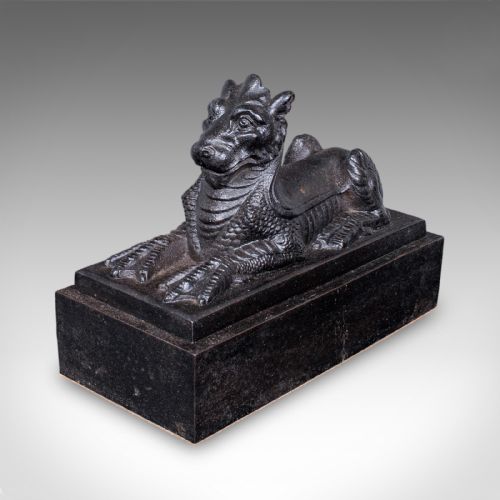
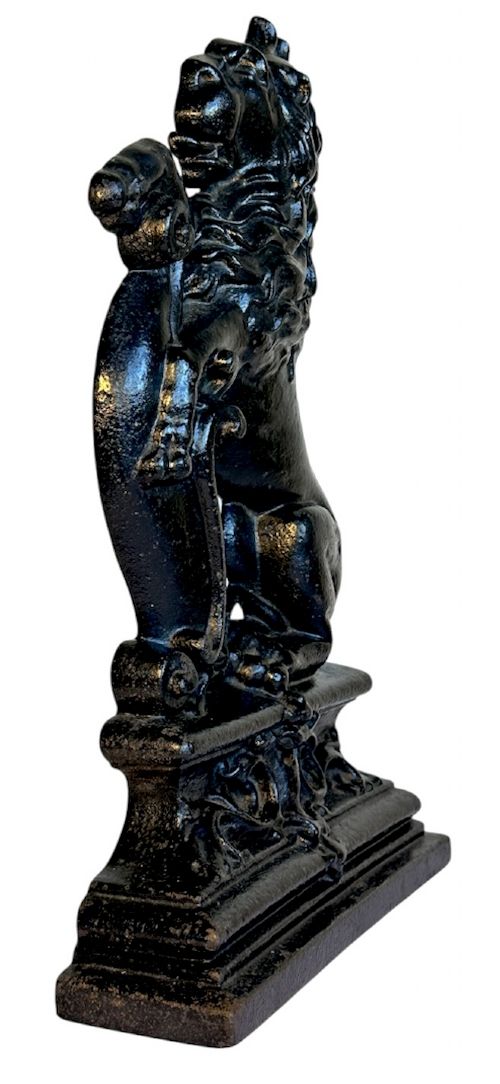
Domestic and utilitarian objects also feature strongly within the category, providing heavy cast iron or brass doorstops and functional inkstands. These domestic forms allowed Victorian homes to display classical motifs in everyday settings.
How They Were Made
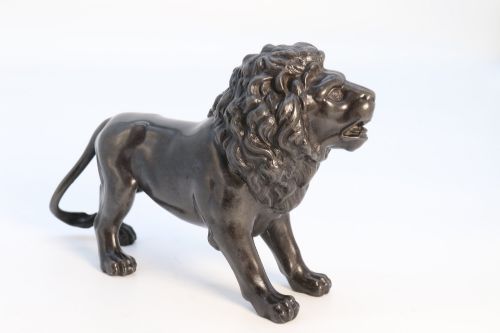
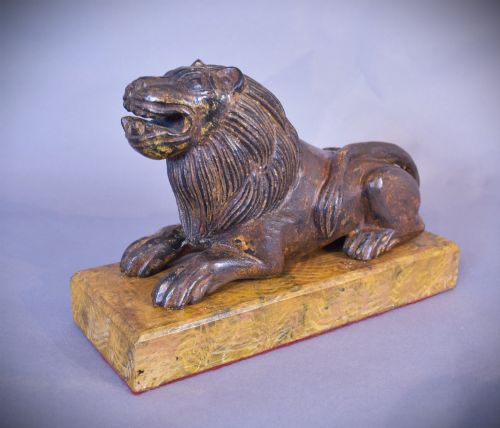
Foundry casting dominates metal examples, utilising bronze, brass, iron, and pewter to capture muscular forms and detailed manes. Cold-painted bronze and gilt finishes frequently add colour and surface texture to smaller cabinet bronzes.
Carved materials rely on traditional hand-working techniques applied to boxwood, teak, marble, alabaster, and terracotta. Stonework often incorporates composite stone or serpentine marble to replicate historic Italian prototypes.
Surface treatments range from original old paint and lacquer to detailed cold-painting and patination. These finishes help define the visual weight and age of each piece.
Materials across the listings span bronze, marble, wood, cast iron, gilt, paint, and terracotta.
What Varies in Quality
Sculptural fidelity and anatomical precision distinguish finer casts and carvings from simpler utilitarian items. The crispness of the musculature and the depth of the carving reveal the hand of a skilled artisan rather than a standard production run.
The quality of the material and base preparation dictates the longevity and presence of the object. Heavy marbles, fine-grained bronzes, and dense hardwoods outlast softer composite stones and simpler cast metals.
Originality of surface finish remains critical, as preserved cold-painting, genuine lacquer, and untouched patinas preserve the historical integrity of the piece.
Franz Bergman·C Omin·Louis Riche·Edouard Delabrierre
The Antique Lion Sculpture Glossary
- Grand Tour
- A traditional trip of Europe undertaken by upper-class young European men of means in the 18th and 19th centuries. Souvenirs collected on these journeys heavily influenced European sculpture.
- Shishi
- A mythical guardian lion in East Asian culture, commonly referred to as a Foo dog in Western contexts. These figures traditionally guard the gates of imperial palaces and temples.
- Medici Lion
- One of a pair of marble sculptures of lions, one original Roman and the other a 16th-century pendant. They were famously housed at the Villa Medici in Rome.
- Animalier
- A 19th-century art movement focusing on the faithful depiction of animals. Sculptors in this tradition studied live specimens closely to capture realistic movement and anatomy.
- Canova Lion
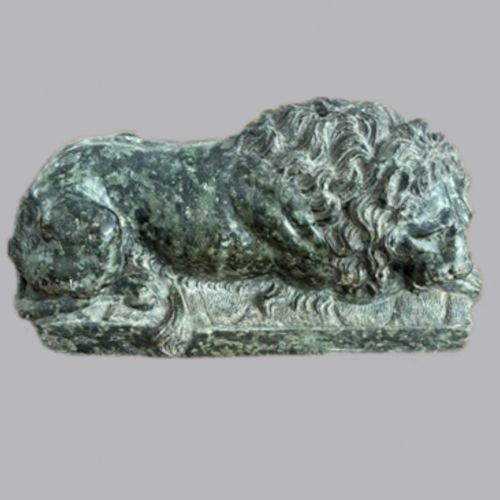
- A famous sculptural design by Antonio Canova for the tomb of Pope Clement XIII in St Peter's Basilica. Replicas became popular subjects for Grand Tour souvenirs.
Antique Lion Sculpture: Frequently Asked Questions
What is a Grand Tour lion?
A Grand Tour lion is a small-scale souvenir sculpture purchased by travellers visiting classical monuments in Italy during the 18th and 19th centuries.
These pieces typically reproduced famous historic sculptures like the Medici or Canova lions in bronze, marble, or alabaster.
How were iron lion doorstops used?
Iron lion doorstops were heavy utilitarian objects designed to keep interior doors propped open in Victorian and later households.
Their robust cast iron construction and rampant poses combined domestic practicality with traditional symbolic strength.
What is the difference between a lion and a Foo dog?
Foo dogs are actually stylized representations of Chinese guardian lions rooted in Buddhist tradition rather than domestic canines.
They frequently appear in pairs guarding entrances and feature distinct curly manes and mythical styling.
How can I date a bronze lion?
Dating a bronze lion involves examining the casting technique, the nature of the patination, and stylistic markers associated with specific periods.
Nineteenth-century works often reflect Revival styles or Animalier realism, while earlier pieces exhibit different foundry methods.