




Antique Linen Textile
These antique linen textile pieces span needlework samplers, covers and wall fragments woven from flax fibres.
Antique Linen Textile
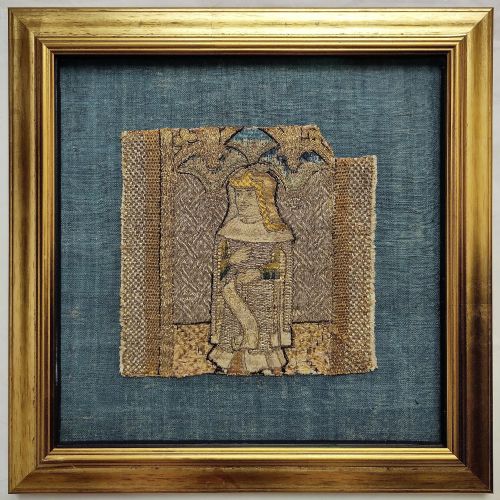
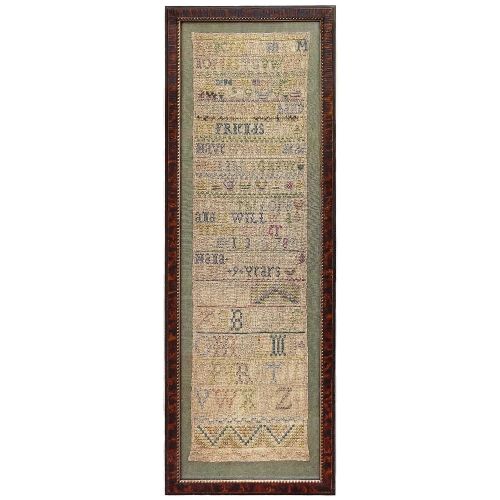
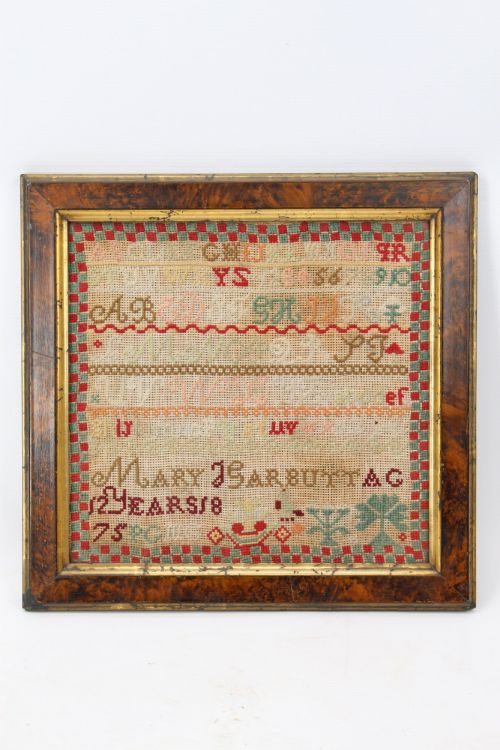
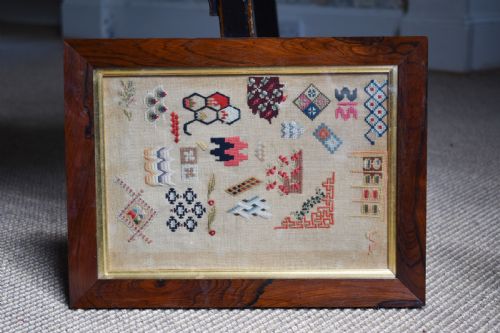
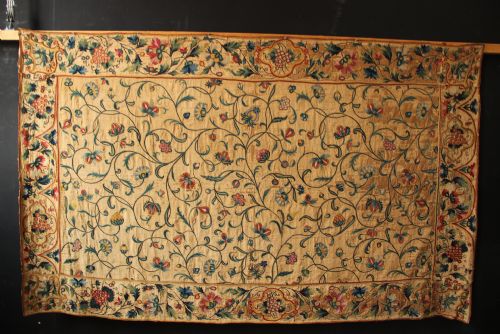
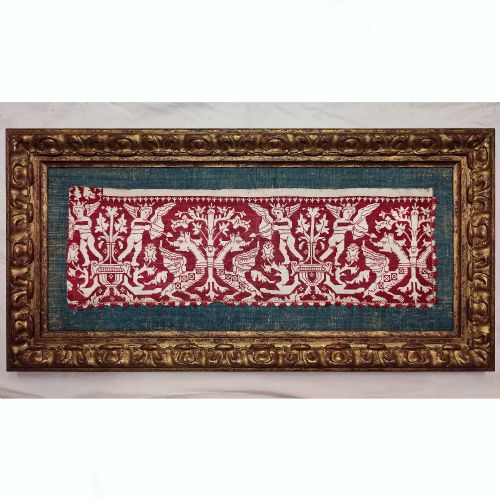
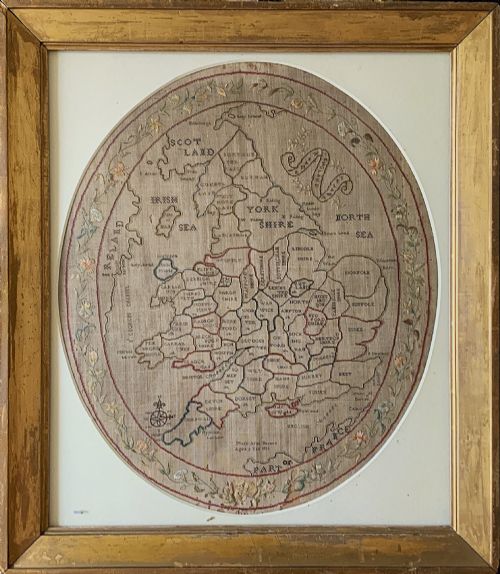
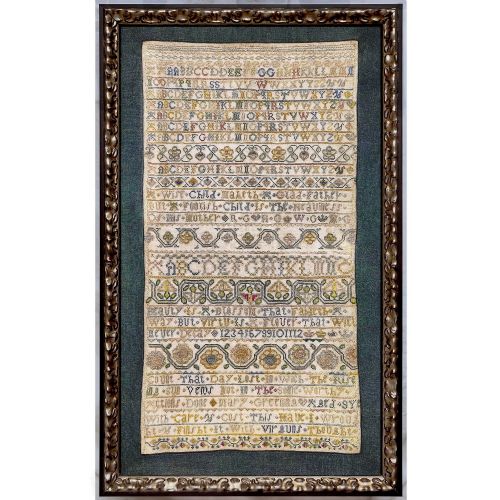
An antique linen textile selection encompasses needlework samplers, framed panels, cushions and wall hangings originating from the seventeenth to the early twentieth century. Buyers often encounter Victorian and Georgian needlework samplers alongside eighteenth-century covers and embroidered fragments.
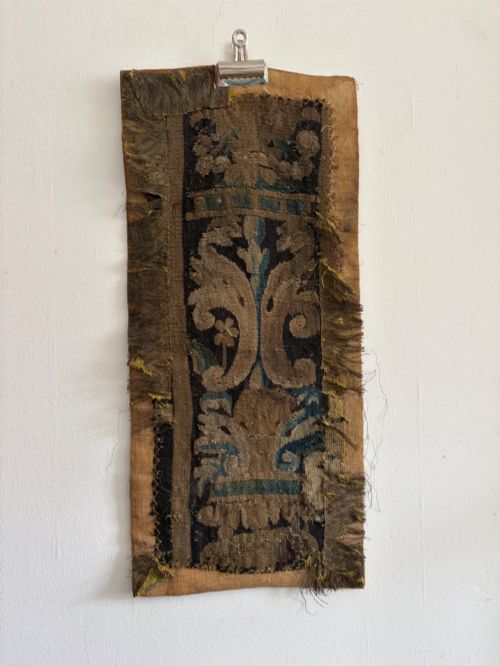
The material takes many forms, appearing as a ground fabric for alphabet and map samplers or serving as a backing for tapestry borders. Pieces range from English and Scottish schoolgirl needlework to French lace and Greek island embroidery.
How they were made
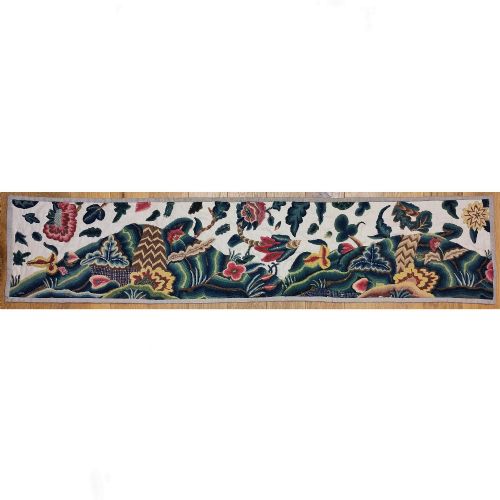
Makers utilised spun linen and cotton threads, frequently combining them with silk floss, wool and silk thread for embroidery. Textile artists worked on hand-woven linen grounds using crewelwork, flat quilting and needlepoint techniques.
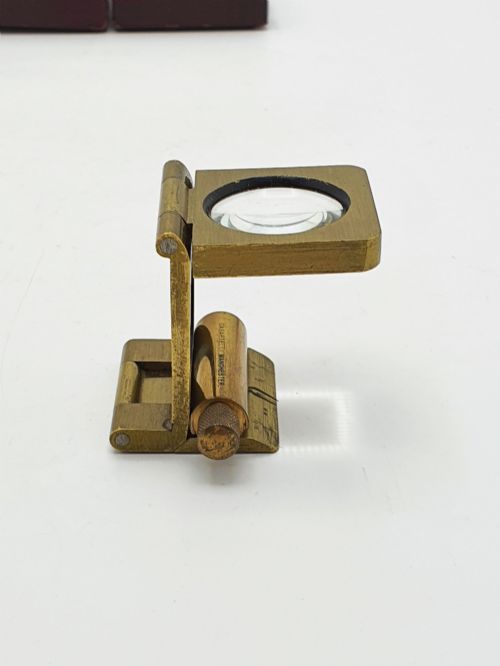
Brass instruments such as thread counters and magnifying loupes aided makers in measuring and inspecting the fine weave during production.
Antique Linen Textile Retail Price Guide 2026
Typical asking prices for linen textile among the pieces listed under this phrase on Sellingantiques today, from the lower quarter to the upper quarter. They describe what is for sale here now, not the wider market.
The listings feature textiles spanning the 17th century to the 1920s, incorporating linen, cotton, silk thread and wool.
What varies in quality
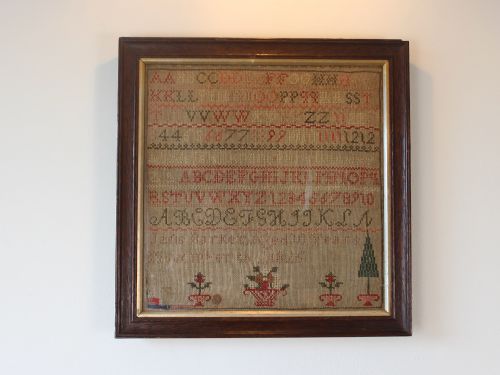
The level of execution in the stitching and the complexity of the design separate standard pieces from finer examples. Samplers featuring detailed maps, alphabets or named makers demonstrate greater skill than simpler stitched panels.
Condition and completeness also influence the piece, with intact coverlets and framed textiles preserving their original fibres better than fragmented borders.
The Antique Linen Textile Glossary
- Sampler
- A piece of needlework produced as a demonstration or test of skill in various stitches, often featuring alphabets, numbers and motifs. These were commonly worked by young girls.
- Crewelwork
- A type of surface embroidery executed using wool yarn on a heavy linen twill fabric. It produces rich, textured designs.
- Thread counter
- A folding brass magnifying glass utilised by merchants and makers to count the threads in a textile per square inch. It assists in assessing fabric density.
- Coverlet
- A decorative bed cover or spread made from quilted or embroidered linen.
- Verdure tapestry
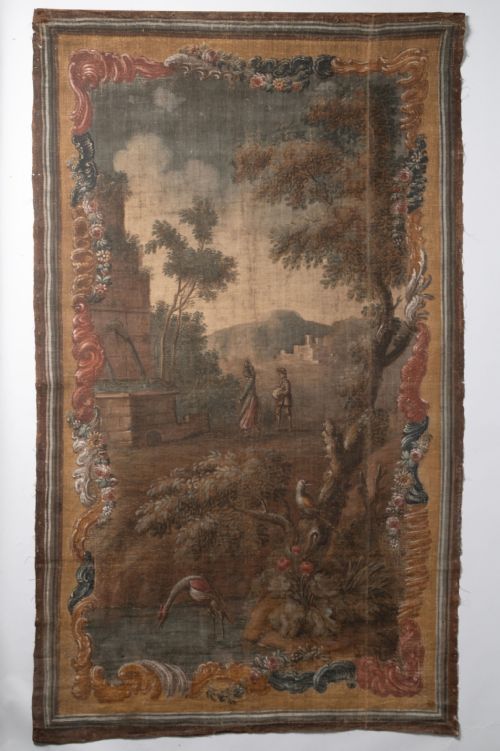
- A woven wall hanging depicting a stylised landscape filled with foliage, trees and sometimes animals.
Antique Linen Textile: Frequently Asked Questions
What is an antique linen textile?
An antique linen textile refers to historical fabrics and needlework made from flax-based materials, including samplers, coverlets and embroidered panels.
These pieces date from the seventeenth century through to the early twentieth century and reflect traditional domestic needlecraft.
How were needlework samplers used?
Needlework samplers served as practice pieces where young girls demonstrated their proficiency in various stitches, alphabets and numerical sequences.
Completed samplers were frequently framed and displayed in homes as proof of a domestic accomplishment.
How do I care for antique textiles?
Antique textiles require protection from direct sunlight and excessive moisture to prevent the degradation of natural linen and silk threads.
Framing under UV-filtering glass or storing flat in acid-free tissue helps preserve the delicate fibres.
Can I date a sampler?
Many samplers include embroidered dates, names and the age of the maker, which provides a direct point of reference for their creation.
Stylistic elements, lettering formats and the type of linen weave also help determine whether a piece belongs to the Georgian or Victorian period.