



Antique Linen Bedding
Antique linen bedding brings tactile warmth and historic craft to a bedroom, uniting French and English styles from the seventeenth century onward.
Antique Linen Bedding
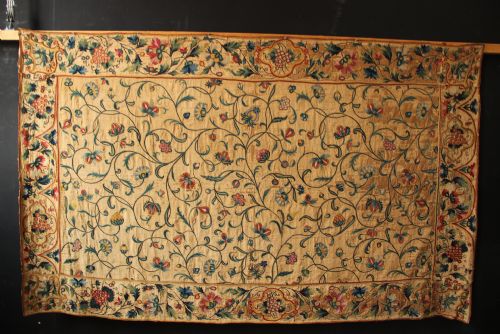
When you search for antique linen bedding, you encounter textiles and supporting furniture such as coverlets, chests, and beds that span several centuries. The selections include early English crewelwork and flat quilted linen coverlets alongside French upholstered beds and painted daybeds.
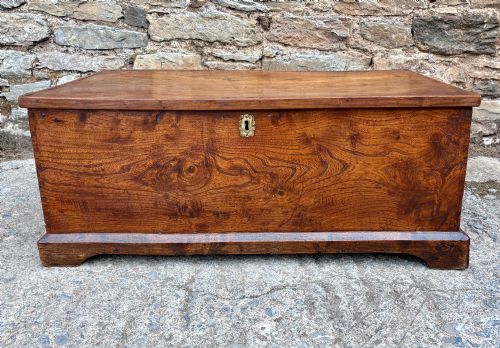
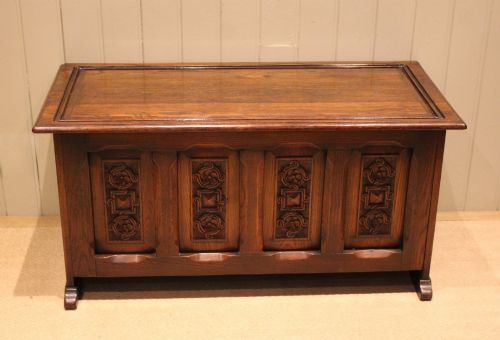
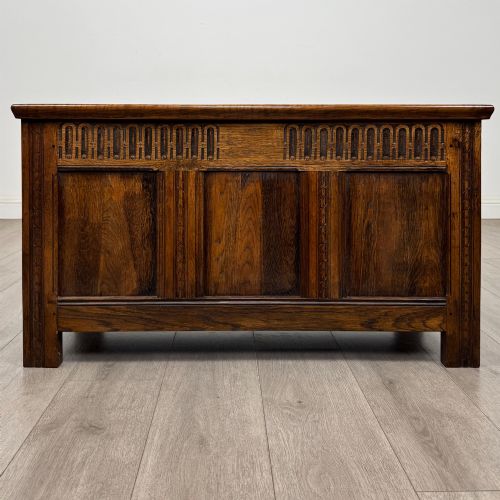
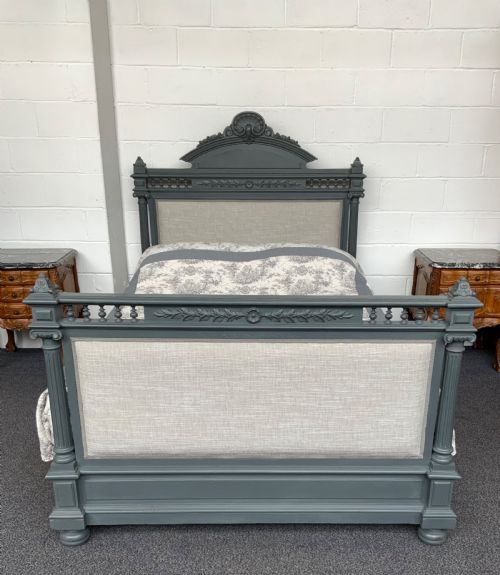
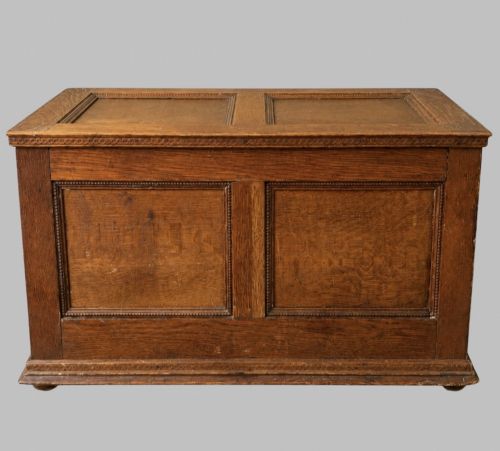
The versions most likely to appear on this page range from nineteenth-century elm blanket boxes and Edwardian oak chests to newly upholstered French kingsize beds finished in neutral textiles. These pieces combine historic storage vessels with textile furnishings designed for domestic use.
The origin periods stretch from the seventeenth century through the Edwardian era up to the 1930s, reflecting both English country house sensibilities and French chateau aesthetics. Storage forms like mule chests and coffers sit alongside beds and wall hangings to complete the category.
Materials and construction methods
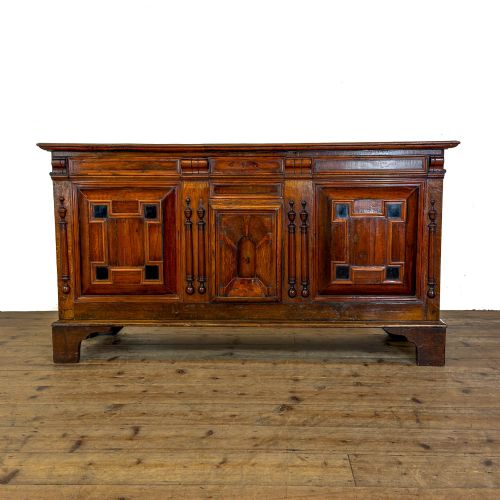
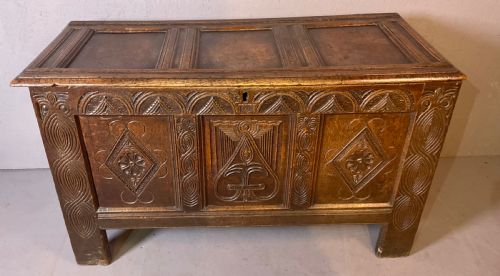
The textiles rely on natural linen fibres, seen in flat quilted coverlets and crewelwork wall hangings that utilise traditional hand-stitched techniques. Supporting furniture employs solid oak, elm, and walnut, often featuring carved panels and mortise and tenon joinery.
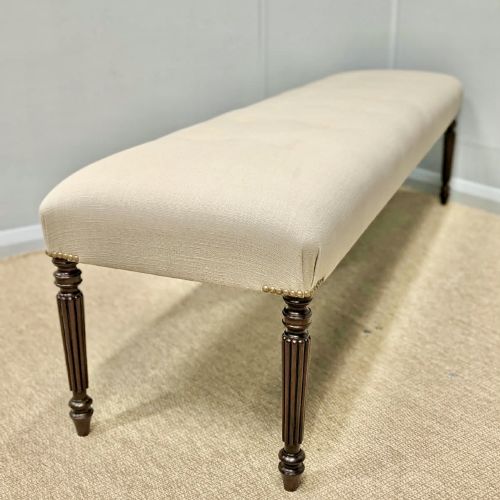
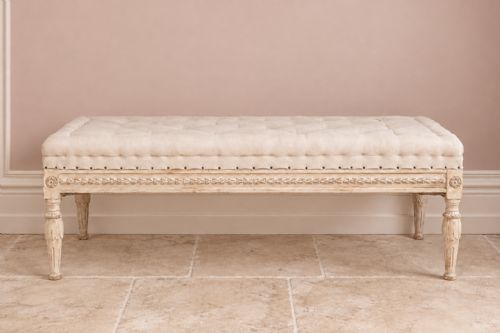
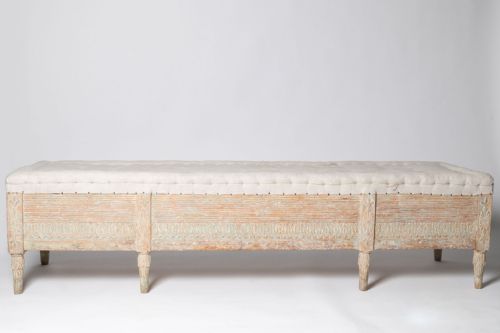
Painted wood finishes appear on French styles, utilising carved wood frameworks for beds, stools, and daybeds. Brass hardware and fabric upholstery complete the construction of the seating and storage pieces associated with the bedding.
Antique Linen Bedding Retail Price Guide 2026
Typical asking prices for linen bedding among the pieces listed under this phrase on Sellingantiques today, from the lower quarter to the upper quarter. They describe what is for sale here now, not the wider market.
Textile offerings span from eighteenth-century flat quilted linen coverlets to early English crewelwork wall hangings.
Distinctions in quality
The standard of the textiles depends on the intricacy of the quilting and the preservation of the original linen fibres. Early crewelwork displays detailed needlework that distinguishes fine decorative wall hangings from simpler domestic textiles.
In the wooden furniture items, quality rests upon the depth of the carving and the integrity of solid timbers like oak and elm. Pieces featuring all-original panels and robust joinery represent the upper tier of the selection.
The Antique Linen Bedding Glossary
- Crewelwork
- Embroidery executed with wool or other yarns on a linen foundation. This technique creates textured floral and botanical patterns on historical wall hangings.
- Quilted coverlet
- A bed covering made by stitching together layers of fabric with padding in between. Eighteenth-century examples demonstrate flat quilted linen construction.
- Mule chest
- A storage box fitted with one or more drawers beneath the main compartment. These pieces combine the function of a traditional coffer with drawer storage.
- Cofer
- A robust wooden chest used for storing valuables and textiles. Seventeenth-century versions frequently display carved panels and solid oak construction.
- Daybed
- A long seat designed for reclining, functioning as both a chair and a bed. French decorative examples often feature painted wood frames and upholstered surfaces.
Antique Linen Bedding: Frequently Asked Questions
How do I care for antique linen?
Historic linen requires gentle handling and protection from direct sunlight to preserve the natural fibres. Store textile pieces in dry, temperature-controlled environments away from synthetic materials.
Consult textile conservators before attempting any cleaning methods. Regular gentle airing helps maintain the condition of older coverlets and hangings.
What is a mule chest?
A mule chest is a traditional storage box that incorporates one or more drawers at the base beneath the main lift-top compartment. This form emerged as makers sought to combine the deep storage of a coffer with easier access for smaller items.
They appear in solid oak and elm across the eighteenth and nineteenth centuries. The design serves well for storing blankets and bedding at the foot of a bed.
How can I date an oak coffer?
Dating an oak coffer involves examining the construction joints, tool marks, and carving styles. Seventeenth-century examples typically feature hand-carved panels and pegged mortise and tenon joinery.
Later revival pieces from the twentieth century often display machine tooling and different wood preparation methods. Examining the backboards and interior timber provides further clues to the period of origin.
Are French beds standard sizes?
Older French beds often deviate from modern standard mattress dimensions. Kingsize and double frames from the nineteenth and early twentieth centuries may require custom-made mattresses to fit properly.
Check the internal dimensions of any bed frame before purchasing bedding. Upholstered French bedsteads accommodate various textile layers once the correct mattress size is secured.