
Antique Light Wood Table
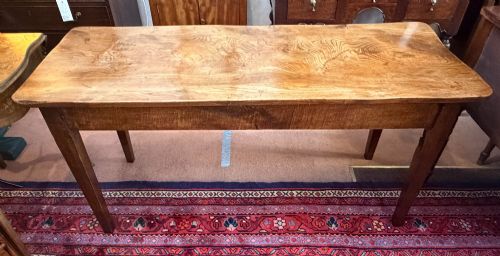
An antique light wood table brings warmth and grain to a room, appearing in forms from Georgian side pieces to Art Deco desks.
Antique Light Wood Table
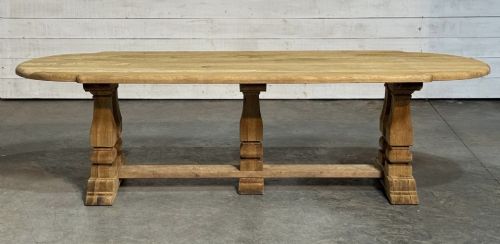
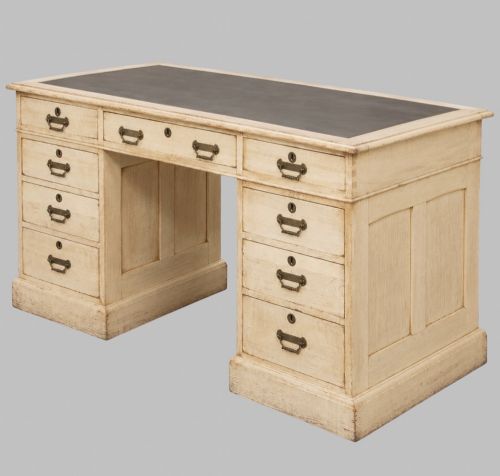
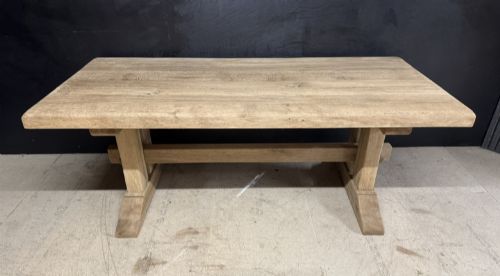
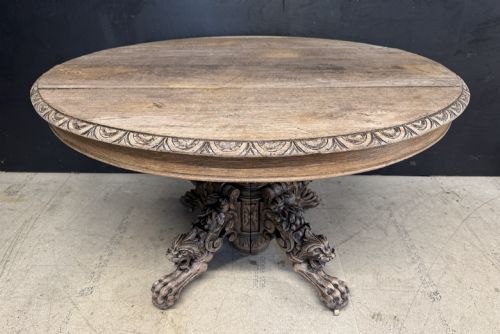
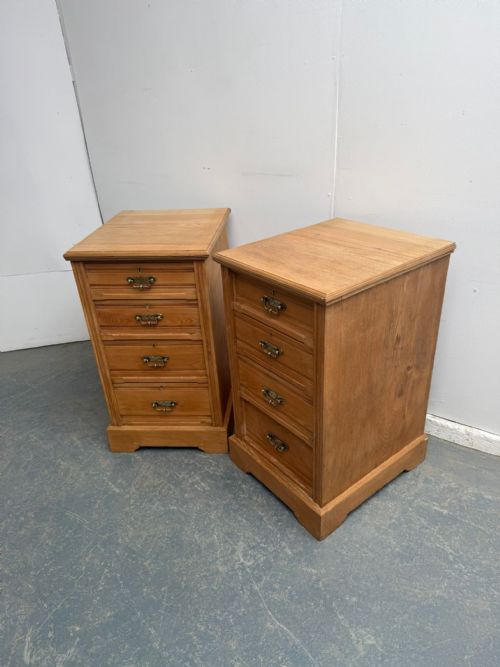
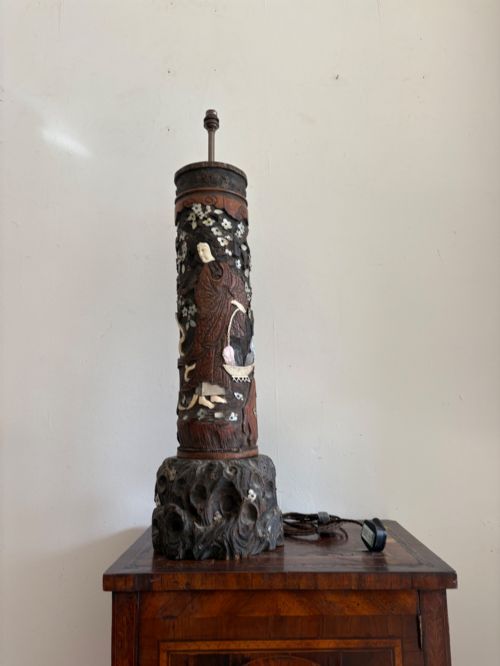
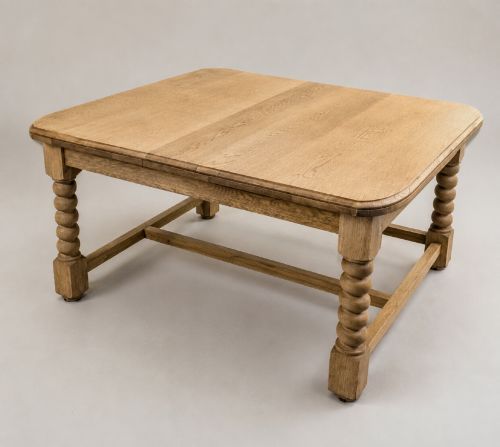
When you search for an antique light wood table, you encounter a varied selection spanning the eighteenth century through to the Art Deco period. The inventory includes dining tables, farmhouse tables, console tables, writing desks, and bedside tables.
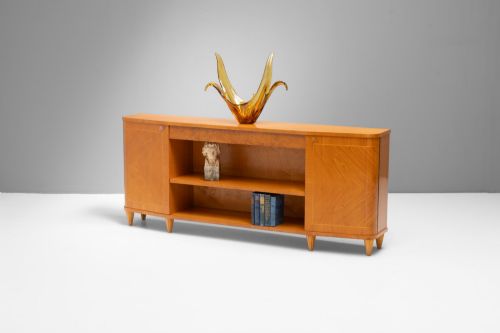
Lighter timbers appear across multiple eras, ranging from mid-eighteenth century oak and sycamore to nineteenth-century ash and satin birch, alongside twentieth-century bleached oak and Scandinavian birch.
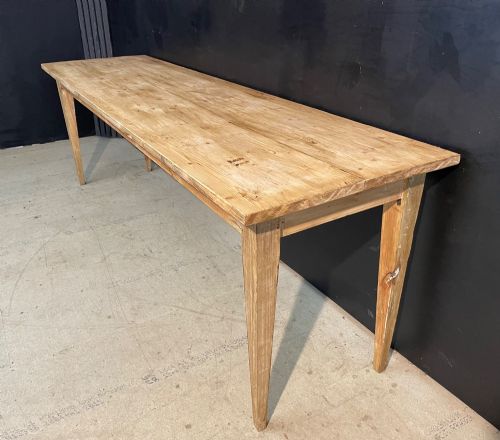
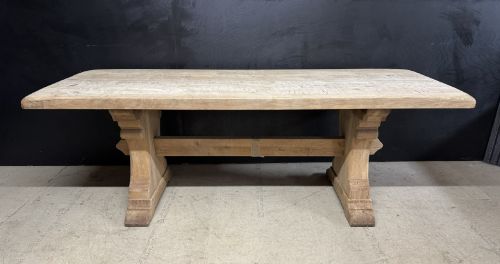
Dining and farmhouse formats dominate the larger pieces, while smaller items comprise bedside cabinets and compact writing desks intended for domestic studies.
Materials and construction
The construction relies heavily on native hardwoods such as oak, ash, pine, and mahogany, alongside exotic selections like satin birch and fruitwood. Cabinetmakers utilised solid timber boards for table tops and drawer construction, applying wax finishes to nourish the grain.
Bleaching techniques frequently alter the natural tone of oak and pine, yielding the pale surface characteristic of many farmhouse and console examples found here. Joinery methods reflect the period of origin, from traditional pegged joints on earlier farmhouse tables to simpler framing on twentieth-century pieces.
Judging the standard
Quality rests on the selection of timber and the preservation of the original surface patina. Pieces featuring figured grain, such as fiddleback sycamore or satin birch, display superior material selection by the maker.
Construction integrity dictates daily utility, with well-joined frames and smoothly running drawers separating standard utility items from finer cabinetwork. Original finishes and minimal structural alterations command greater regard than heavily restored or stripped surfaces.
Fortnum and Mason·James Mein of Kelso
The Antique Light Wood Table Glossary
- Bleached oak
- Oak timber treated to lighten its natural dark tone, producing a pale finish popular on nineteenth and twentieth-century farmhouse tables.
- Satin birch
- A pale, lustrous hardwood with a fine grain, utilised extensively in twentieth-century Art Deco desks and tables.
- Pembroke table
- A small occasional table with hinged drop flaps on either side, originating in the eighteenth century.
- Patina
- The surface sheen and colour acquired by timber through age, handling, and regular waxing over decades.
Antique Light Wood Table: Frequently Asked Questions
How do I clean an antique light wood table?
Dust the surface regularly with a dry, soft cloth to prevent grit accumulation. Apply a quality beeswax periodically to nourish the timber and maintain the soft sheen.
Avoid commercial silicone sprays or excessive moisture, which can penetrate open grain and soften historical wax finishes over time.
Are these tables suitable for daily dining?
Many farmhouse and dining formats are built robustly from solid oak, ash, or pine and handle daily use comfortably. Use protective mats for hot dishes and liquids to guard the historical surface.
Finer decorative console or writing tables constructed from delicate satin birch require more caution and suit light administrative tasks or display better.
How can I tell the age of the timber?
Examine the underside and drawer construction for tool marks, fastener types, and timber shrinkage patterns. Hand-sawn boards and traditional joinery indicate earlier eighteenth and nineteenth-century origin.
Twentieth-century examples often exhibit more uniform milling and modern assembly methods while retaining lighter wood tones.
Will a bleached oak table fit modern interiors?
The neutral, pale tone of bleached oak blends easily into contemporary neutral colour schemes and minimalist spaces. These pieces introduce organic texture without dominating a room visually.
They pair well with both modern seating and mixed antique furniture arrangements.