




Antique Lidded Tureen
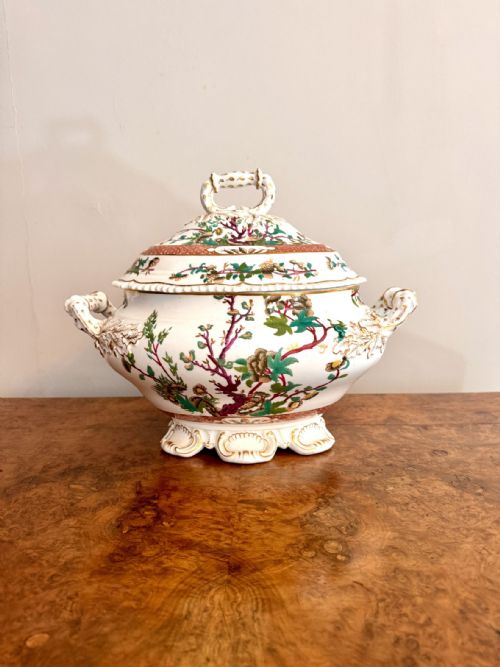
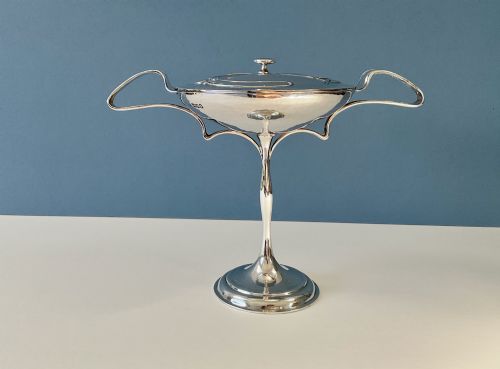
An antique lidded tureen brings formal nineteenth-century dining ceremony to the table, taking the form of heavy ironstone, transfer-printed earthenware, or silver plate.
Antique Lidded Tureen
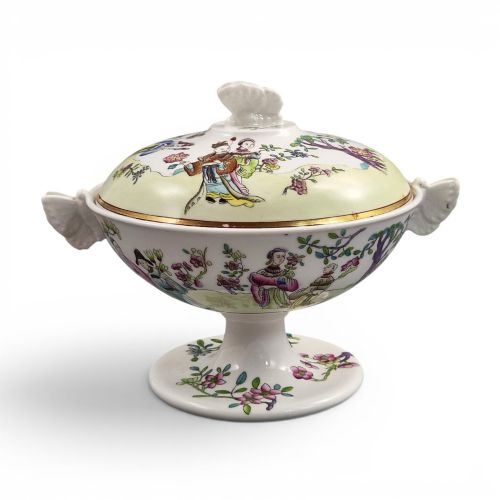
An antique lidded tureen is a covered vessel designed for serving soup, sauce, vegetables, or entrees at a formal dining table. The pieces found here span the eighteenth, nineteenth, and early twentieth centuries, reflecting changing domestic habits from large communal soup vessels to individual sauce tureens and breakfast dishes.
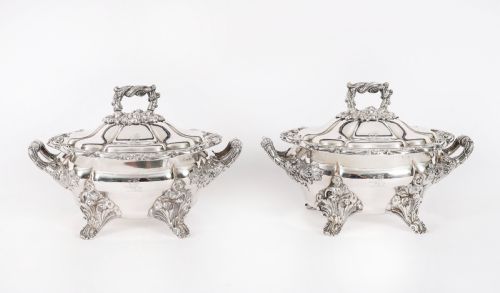
The forms range from substantial ceramic centerpieces and vegetable dishes down to matched pairs of sauce tureens complete with ladles. Ironstone, porcelain, and silver plate dominate the offerings, originating from English potteries and silversmiths active during the Georgian, Victorian, and Edwardian eras.
How they were made
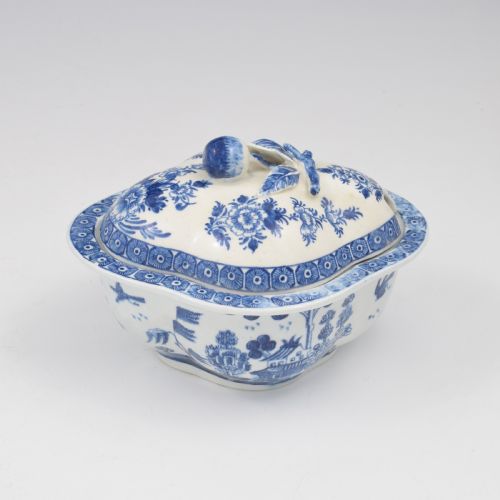
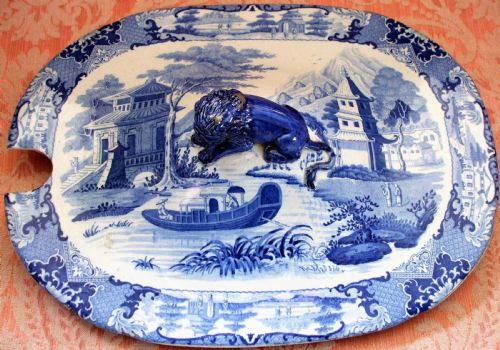
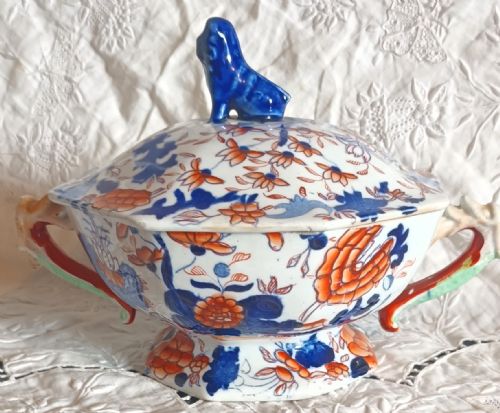
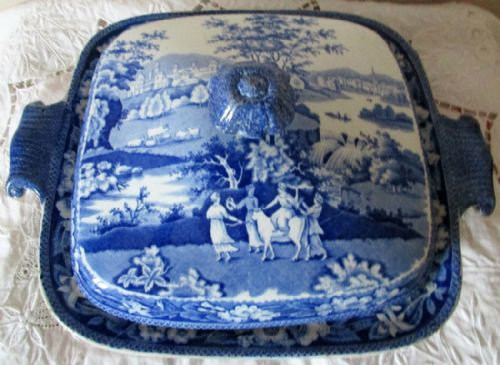
Ceramic tureens rely on earthenware, ironstone, or porcelain bodies moulded into lobes, scrolls, and pedestal bases, then finished with underglaze blue-and-white transfer prints or polychrome enamel patterns. Ironstone pieces provide a dense, durable body suited to the heavy usage of nineteenth-century households.
Metal vessels utilise silver plate, Old Sheffield plate, or sterling silver applied to copper or base metal foundations. Silversmiths shaped these through hammering, rolling, and soldering, adding applied borders, cast handles, and engraved family crests.
Listings feature earthenware, ironstone, and porcelain forms alongside silver plate and Old Sheffield plate spanning the Georgian to Edwardian periods.
What varies in quality
Quality rests in the crispness of the modelling, the depth and registration of transfer printing, and the preservation of original silver plating over the underlying base metal. Hand-painted enamel details and finely cast handles distinguish workshop standards.
The survival of matching covers, stands, and ladles elevates a piece. Maker attribution also plays a role, as identifiable marks from established potteries and silversmiths confirm standard manufacturing periods.
Robert Hamilton·John and Richard Riley·Tiffany and Co·Mappin and Webb·Daniel and Arter·Walker and Hall·Ridgways
The Antique Lidded Tureen Glossary
- Ironstone
- A patented ceramic body invented in the nineteenth century, known for its extreme hardness and durability. It provides a heavy, opaque alternative to porcelain.
- Transfer printing
- A decoration technique where an engraved copper plate transfers a design onto tissue paper, which is then pressed onto the ceramic biscuit. This method allowed complex pictorial scenes to be replicated consistently.
- Old Sheffield plate
- A composite material made by fusing a thin sheet of sterling silver to a thicker copper core. Pieces made this way often reveal thin copper lines where the silver has worn down.
- Entree dish
- A shallow lidded container designed to hold meat or vegetable courses on the dining table. They frequently feature removable handles to allow the cover to double as a secondary serving dish.
- Sauce tureen
- A miniature version of a soup tureen, created to hold gravies and sauces alongside the main roast. They typically rest on fixed or separate ceramic or silver stands.
Antique Lidded Tureen: Frequently Asked Questions
What is the difference between a tureen and an entree dish?
A tureen is a deep, rounded vessel traditionally used for holding liquids such as soup, broth, or gravy. An entree dish is shallower and wider, designed for solid portions of meat or vegetables.
While both feature matching lids and serve communal dining roles, their profile reflects the specific course they were built to hold.
How do I know if an ironstone tureen is early nineteenth century?
Early nineteenth-century ironstone pieces often display heavy, dense potting with rich Chinoiserie transfer prints or hand-painted enamel highlights. Look for impressed factory marks underneath that reference patent ironstone formulations from the Regency and Georgian periods.
Later Victorian iterations tended toward simpler bodies and different glaze compositions.
Can I use silver plated tureens for serving food today?
Silver plated and Old Sheffield plated tureens remain functional for dry or moist foods, provided they are washed by hand promptly after use. Harsh detergents and abrasive scourers should be avoided to protect the underlying metal layers.
Many collectors prefer to use them strictly for display or dry presentation to preserve antique surfaces.
Why do some tureens include a matching ladle?
A matching ladle ensures the serving utensil matches the glaze, pattern, or metal of the vessel itself. Surviving ladles are uncommon because the thin handles were prone to snapping during daily domestic use.