



Antique Lidded Barrel
These antique lidded barrel pieces range from Georgian oak flour bins to Edwardian cranberry glass biscuit jars, offering charming storage for the home.
Antique Lidded Barrel
An antique lidded barrel encompasses a varied group of vessels, including biscuit jars, storage containers, butter barrels and grain bins. When searching this phrase, buyers encounter objects designed for domestic storage that have survived from the Georgian, Victorian and Edwardian eras.
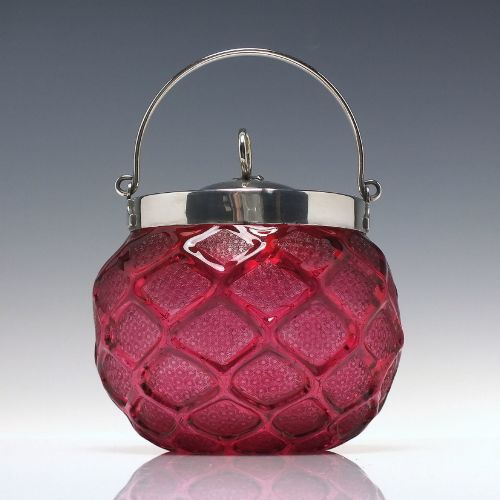
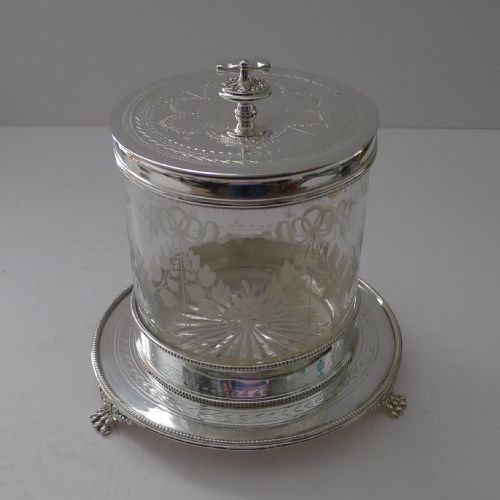
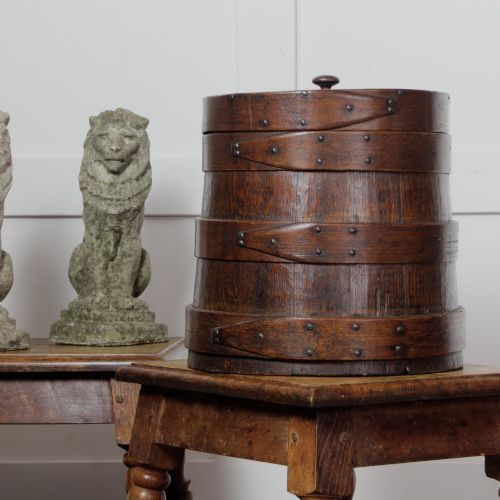
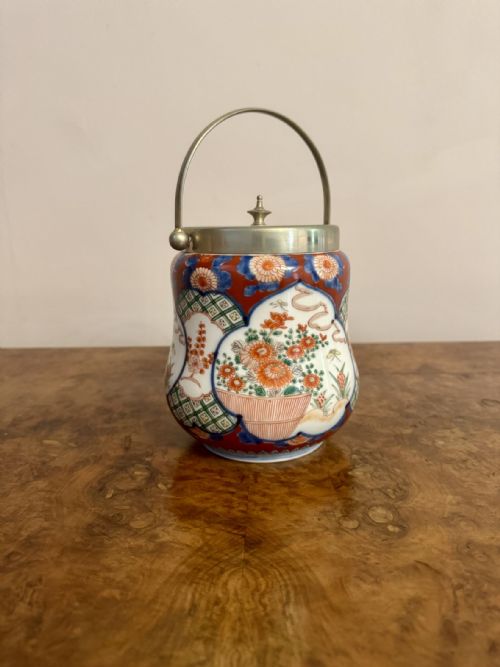
The most common examples on this page are biscuit barrels dating from the Edwardian and Victorian periods, often combining glass or ceramic bodies with silver-plated mounts. Alongside these table vessels, larger utilitarian forms like coopered hardwood butter barrels and oak flour bins occasionally appear.
Origins span English, Dutch and Japanese aesthetics, reflecting both local country craftsmanship and international trade influences. Pieces range from rustic iron-bound oak to refined enamel-painted glass and solid silver Dutch boxes.
Materials and construction methods
Construction relies heavily on traditional cooperage techniques for wooden pieces, utilising staves held together by brass or iron bands to form durable butter barrels and grain bins. Hardwoods such as oak provide the structural integrity required for these utilitarian forms.
Antique Lidded Barrel Retail Price Guide 2026
Typical asking prices for lidded barrel among the pieces listed under this phrase on Sellingantiques today, from the lower quarter to the upper quarter. They describe what is for sale here now, not the wider market.
Listings feature items spanning the Georgian, Victorian, Edwardian and early twentieth-century periods.
Evaluating craftsmanship and condition
Quality rests in the crispness of the glass cutting, the precision of coopered wooden staves and the intactness of silver-plated mounts. Finer examples show careful alignment of metal hardware with the underlying ceramic or glass body.
The presence of fully legible hallmarks on silver elements or detailed enamel painting distinguishes superior pieces from standard utilitarian wares. Material choices, such as solid silver versus silver plate or hardwood versus softwood, set the baseline for a piece's tier.
The Antique Lidded Barrel Glossary
- Biscuit Barrel
- A covered ceramic, glass or metal container traditionally used on the dining table to keep dry biscuits fresh. These vessels often feature decorative metal handles and hinged lids.
- Coopered
- A method of construction where curved wooden staves are fitted together and bound with metal hoops, traditionally used for barrels and buckets.
- Cranberry Glass
- A rich red-pink transparent glass coloured with gold chloride, popular during the Victorian and Edwardian eras for tableware and decorative jars.
- Silver Plate
- A base metal coated with a thin layer of silver, widely utilised for the mounts, rims and swing handles of late nineteenth-century biscuit jars.
- Imari
- A style of Japanese porcelain decorated in underglaze blue and iron red with supplementary gold, often adapted or appreciated in European decorative arts.
Antique Lidded Barrel: Frequently Asked Questions
What was a biscuit barrel used for?
These vessels sat on Victorian and Edwardian dining tables to keep dry biscuits crisp and accessible during afternoon tea or after-dinner hospitality.
Servants would fill them in the kitchen before bringing them to the parlour, where the hinged lid kept the contents protected until serving time.
How do I clean an antique glass jar?
Wash glass and silver-plated components gently using warm water and mild soap, avoiding harsh abrasives that might damage delicate enamel work or thin plating.
Dry the metal mounts thoroughly straight away to prevent tarnishing and moisture retention around the hinges.
Are these barrels waterproof?
Most wooden butter barrels and grain bins were designed for dry goods and storage rather than holding liquids, meaning their wooden staves may leak over time.
Glass and ceramic biscuit jars will hold liquids safely, but antique silver-plated mounts and internal cement fixings should not be exposed to prolonged moisture.
How can I date an Edwardian biscuit jar?
Look for stylistic cues such as cranberry glass bodies, bright silver plate, and refined enamel decoration typical of the period around nineteen hundred.
Maker marks stamped onto the metal mounts or registration numbers can also help narrow down the specific decade of manufacture.