


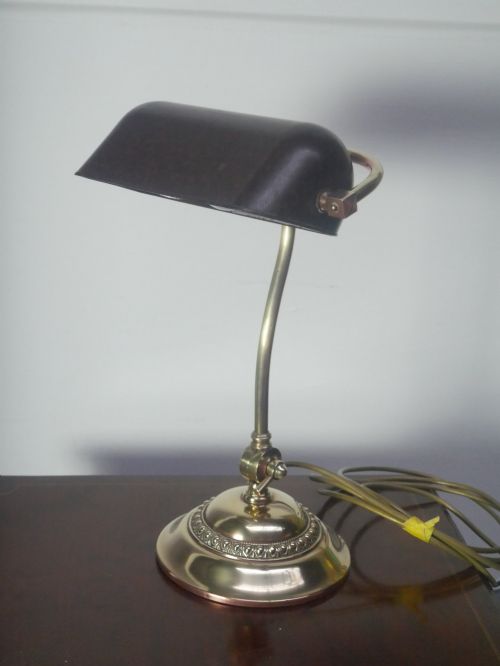


Antique Library Light
An antique library light brings the focused illumination of nineteenth and early twentieth century reading rooms directly to a desk or table.
Antique Library Light
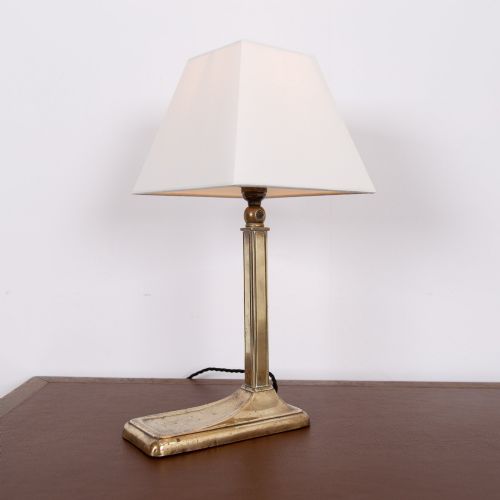
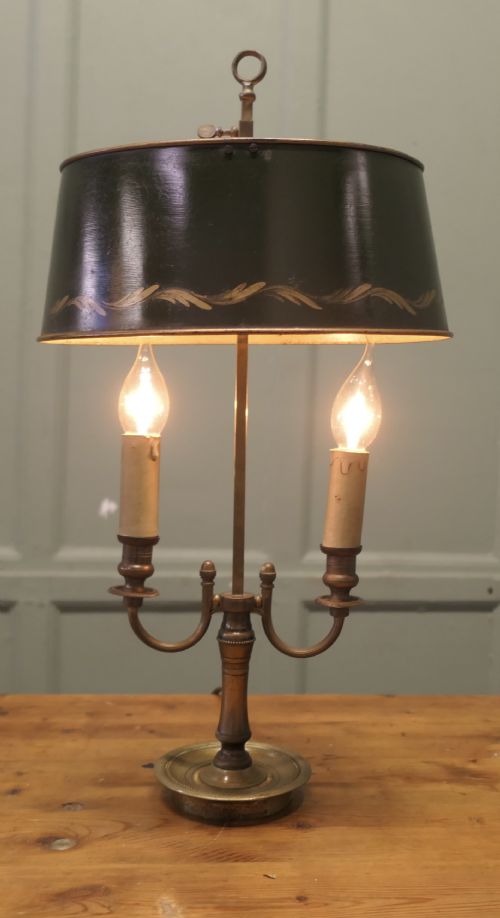
When you search for an antique library light, you encounter a mix of dedicated desk lamps, adjustable student lamps, and directional bouillotte lamps designed for reading and writing. The pieces range from heavy brass bankers lamps to polished bronze table lights and hanging paraffin fixtures spanning the Victorian, Edwardian, and Art Deco periods.
The version you are most likely to meet on this page is a brass or bronze desk lamp from the late nineteenth or early twentieth century, often featuring adjustable arms, toleware shades, or green glass diffusers. These functional objects were built for heavy use in private studies, offices, and large institutional libraries.
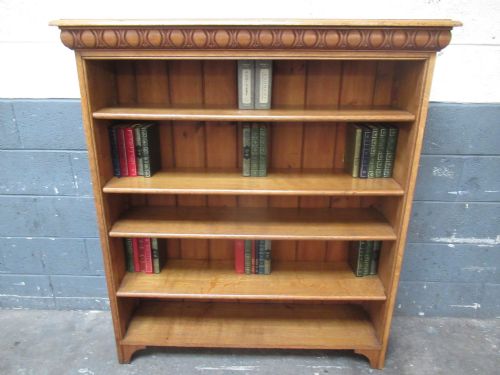
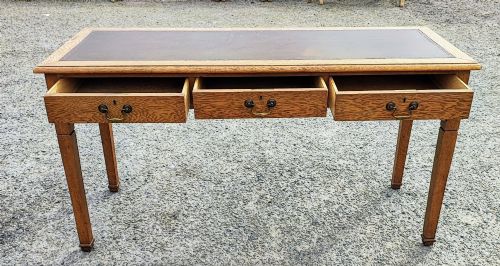
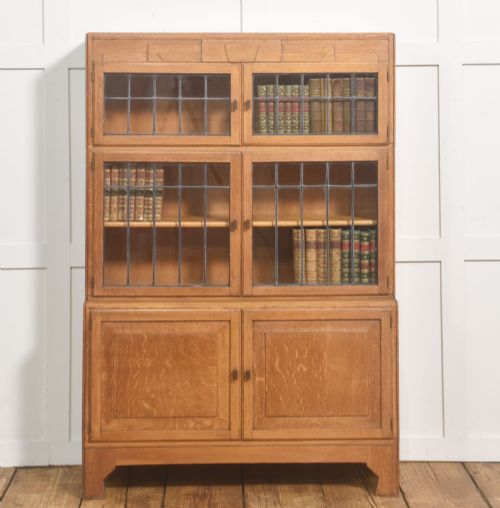
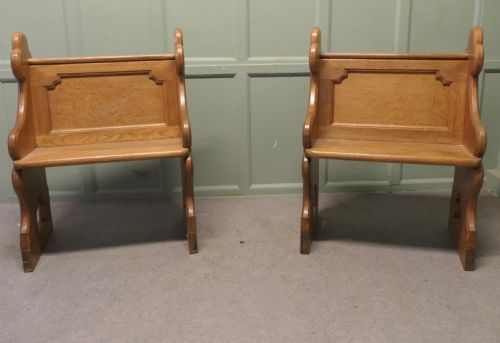
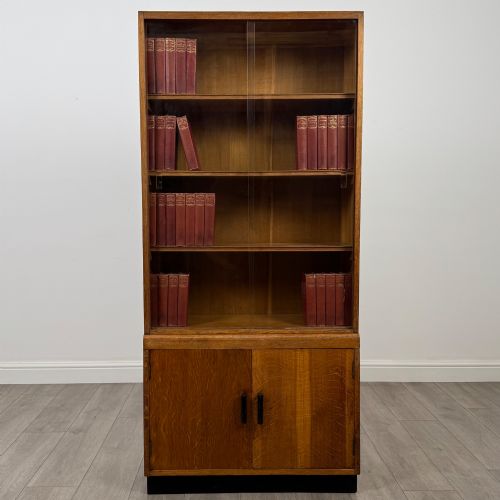
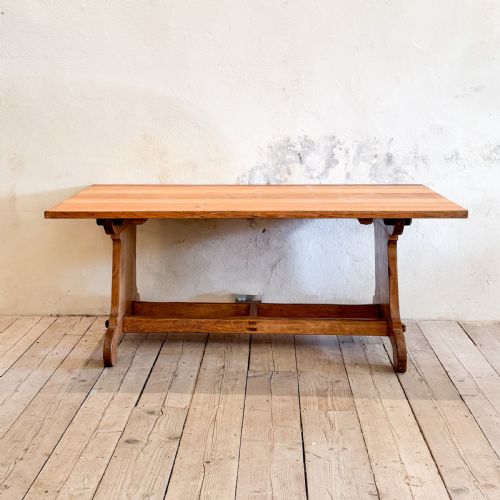
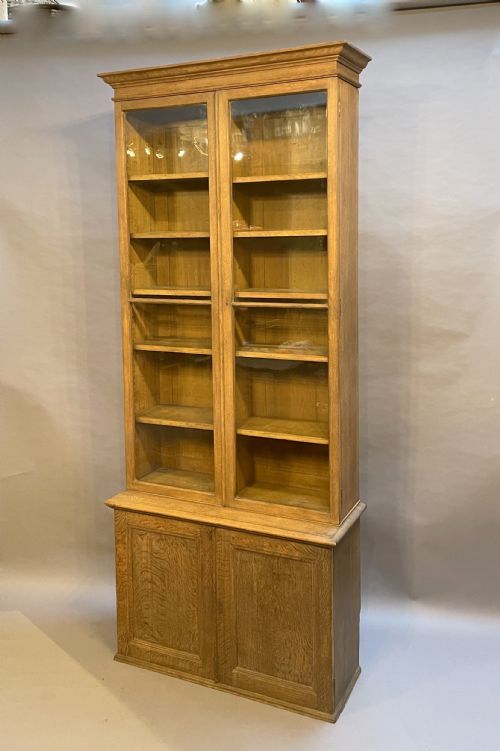
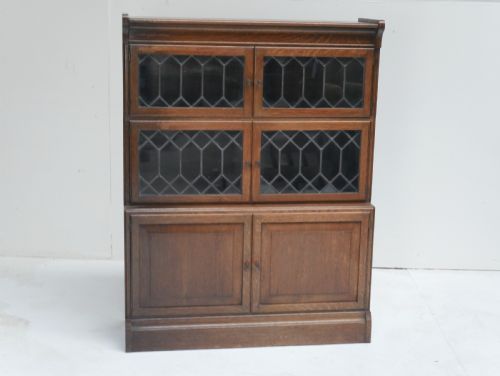
Alongside actual desk lights, the selection includes related library furnishings such as oak bookcases, partners desks, and writing tables that together set the scene for these functional lamps. The common thread is a sturdy, utilitarian construction designed to withstand decades of daily scholarship.
How they were made
These lamps rely primarily on cast brass, spun copper, and bronze, often paired with hand-formed toleware metal shades or blown glass inserts such as opaline. Metal components were turned on lathes or poured into sand moulds, leaving subtle tooling marks that distinguish early manufacturing methods from modern mass production.
Electrical fittings, weighted iron bases, and articulated swan-neck joints were integrated into the metalwork to allow directional control of the light beam. Where earlier pieces utilised oil burners with specialised mechanisms like Hinks or Wild & Wessel burners, later twentieth-century variants adapted the same robust frames for early electric wiring.
Antique Library Light Retail Price Guide 2026
Typical asking prices for library light among the pieces listed under this phrase on Sellingantiques today, from the lower quarter to the upper quarter. They describe what is for sale here now, not the wider market.
Listings for antique library lights span the Victorian, Edwardian, and Art Deco eras, featuring materials such as brass, bronze, toleware, and opaline glass.
What varies in quality
The calibre of a library light is defined by the weight of its metal casting, the integrity of its articulated joints, and the retention of its original surface patination. Heavier gauge brass and bronze resist tipping and hold rigid angles, whereas thinner stamped metals tend to wobble at the joints over time.
Attention to detail in the secondary components - such as original turn-keys, intact toleware paintwork, undamaged glass shades, and maker-stamped burners - separates standard utility pieces from exceptional examples. The harmony between the metal stand and its shade dictates whether a lamp retains its original intended silhouette.
Howard & Sons·Minty·Wild & Wessel
The Antique Library Light Glossary
- Bouillotte lamp
- A traditional French table lamp featuring multiple candle arms or bulbs rising from a central shaft, shielded by an adjustable painted metal toleware shade. This design originally illuminated card games before transitioning to desks and reading tables.
- Student lamp
- An adjustable nineteenth-century oil or paraffin lamp with a burner offset from the fuel reservoir to cast direct light across a workspace. They typically include a counterweight or sliding collar to raise and lower the light source.
- Toleware
- Enamelled or painted sheet metal used to form durable lamp shades, often finished in dark green or black with hand-applied gilt borders. The material provided a heat-resistant hood that directed light downward while protecting the reader's eyes.
- Articulated
- Designed with hinged or pivoting joints that allow the user to alter the angle and reach of the lamp arm. This mechanical adjustment was crucial for directing illumination across large partners desks and drawing tables.
- Opaline glass
- A milky, translucent white or coloured glass used for lamp shades to diffuse harsh glare into a soft, even glow. It was blown and moulded during the Victorian and Edwardian eras to balance functional brightness with decorative appeal.
Antique Library Light: Frequently Asked Questions
How do I choose the right desk lamp?
Consider the scale of your surface and whether you require adjustable arms for focused reading or a stationary multi-bulb fixture for ambient workspace illumination. Heavy brass and bronze models suit large partners desks, while smaller bouillotte styles fit compact writing tables.
Ensure the height of the shade clears your line of sight when seated. The proportions of the lamp should balance the footprint of the desk without dominating the room.
Were these lamps originally electric or oil?
Many nineteenth-century examples began life as oil or paraffin burners, utilising specialised mechanisms like duplex burners before being safely converted to electricity during later rewiring. Others were manufactured during the early twentieth century specifically for domestic or institutional electric grids.
Converted pieces often retain their original fuel keys, galleries, and burners as fixed decorative elements. A qualified electrician can check the internal wiring while preserving the exterior antique hardware.
How can I date an antique library light?
Examine the manufacturing techniques, fastener types, and burner mechanisms to establish an approximate period. Hand-cut threads, heavy sand-cast bases, and specific burner patents point toward nineteenth-century origins.
Stylistic cues such as heavy Victorian brass work, Edwardian simplicity, or Art Deco geometric lines further narrow the timeline. Maker stamps and registry marks found on the base or burner collar provide the most direct evidence of age.