





Antique Library Case
An antique library case brings order and dignity to a room, housing volumes behind glazed timber doors.
Antique Library Case
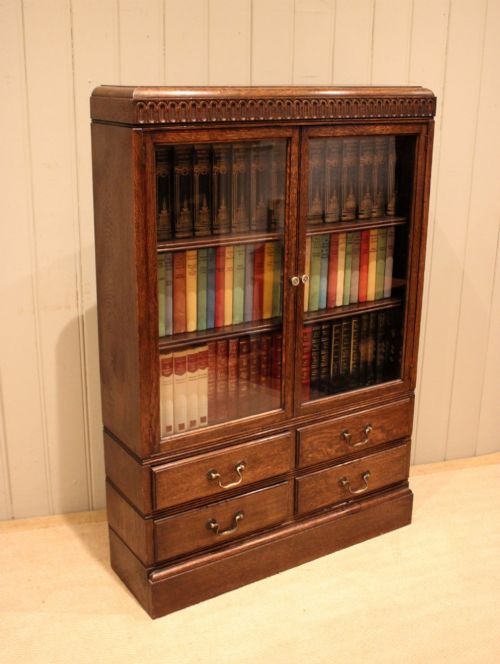
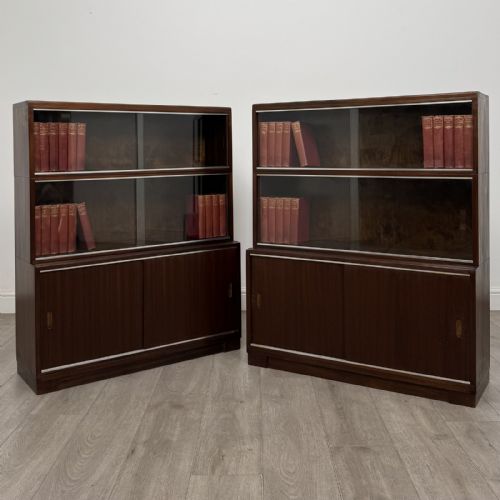
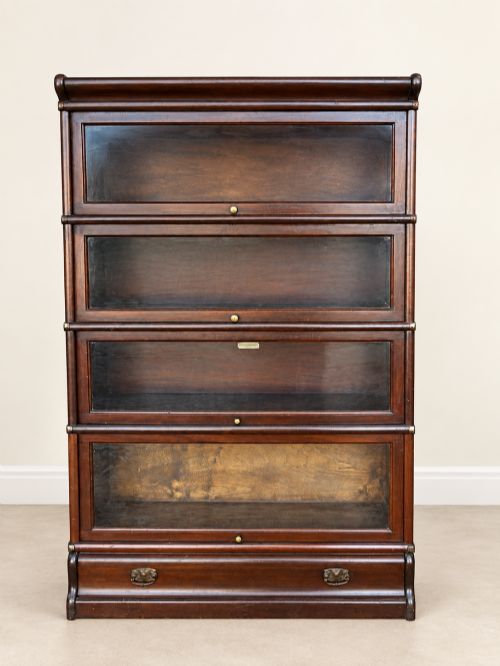
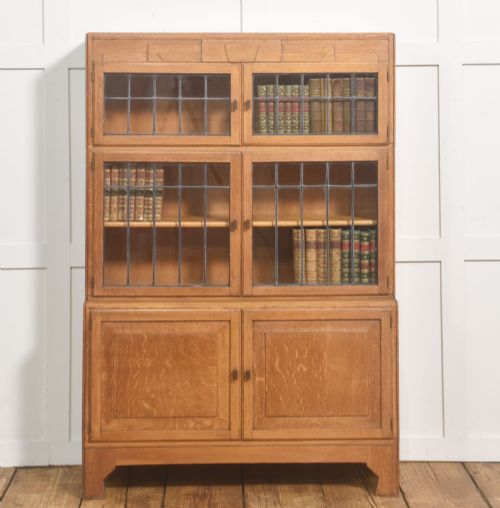
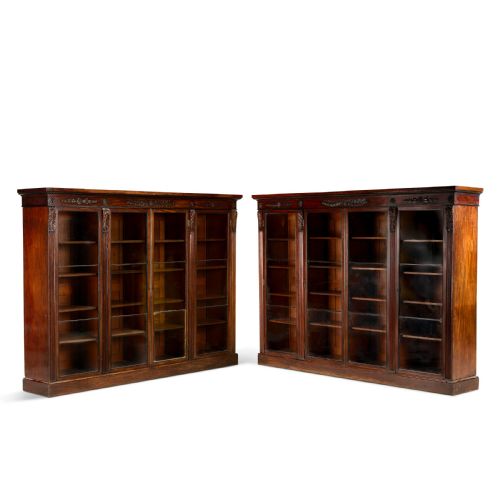
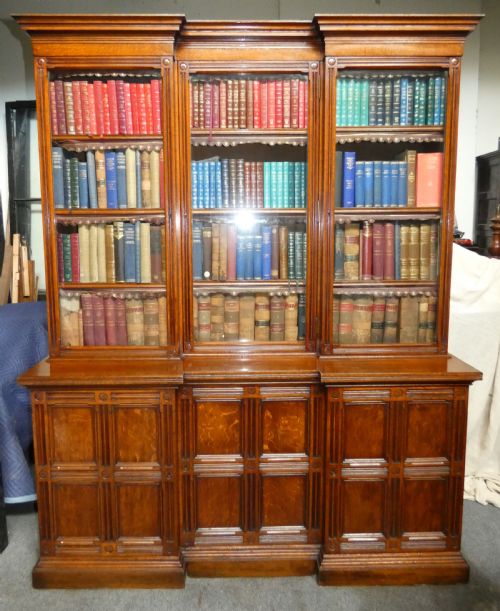
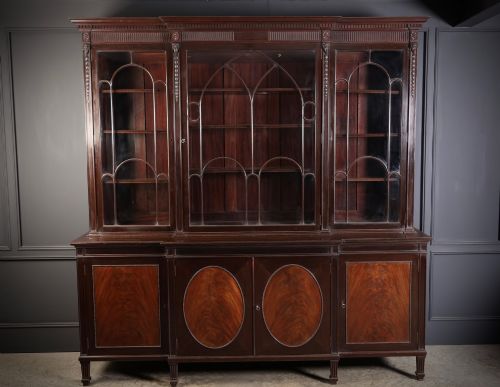
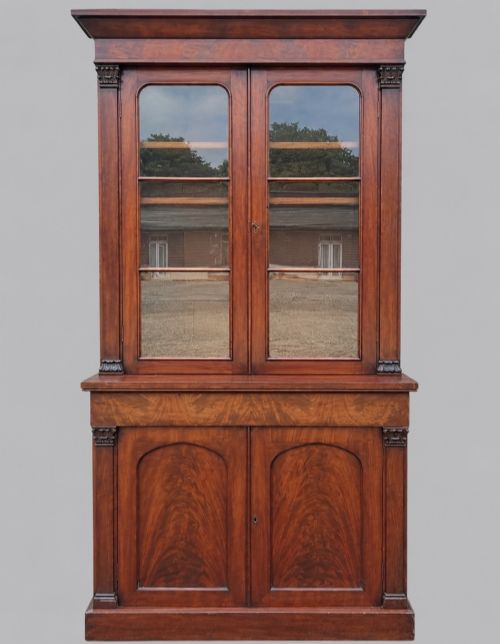
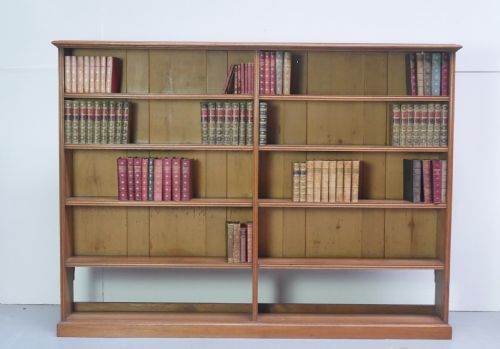
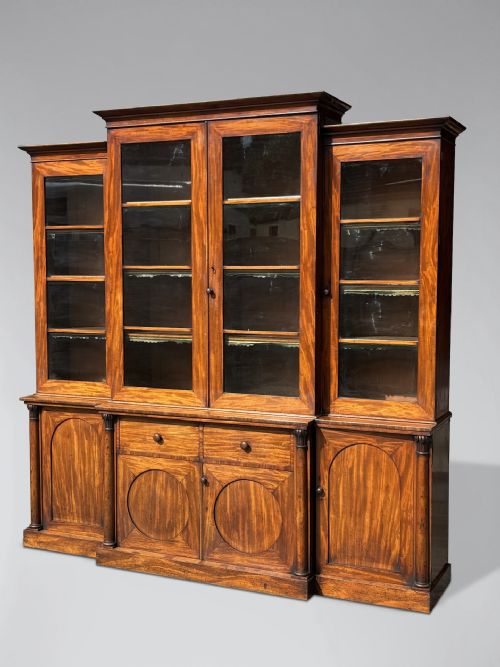
When you search for an antique library case, you encounter sturdy timber storage designed to preserve and display bound volumes. The pieces gathered here span centuries, covering formal breakfronts, stacking sections, and smaller cabinets from Victorian and Edwardian workshops.
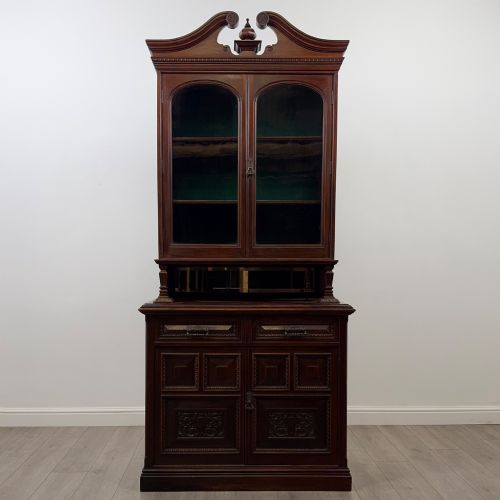
Mahogany and oak dominate the forms, supplemented by walnut and rosewood in both breakfront designs and narrower vertical formats. You meet architectural details such as swan neck pediments, astral glazing, and adjustable internal shelving fitted to hold varying book sizes.
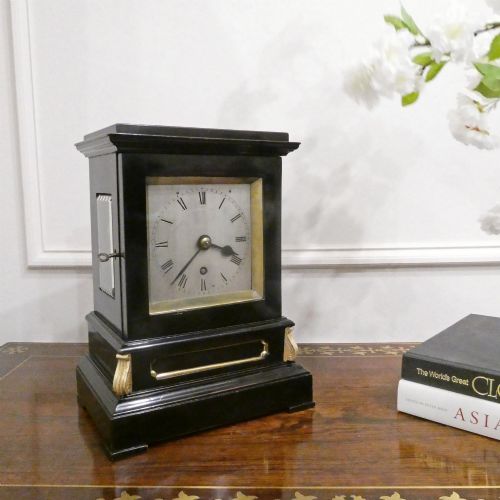
Alongside tall cabinetry, the selection includes related library pieces such as fusee clocks housed in rosewood or brass frames and mounted brass telescopes on stands. These smaller instruments share the utilitarian elegance of the larger furniture.
Materials and Construction
Cabinet makers relied upon dense hardwoods like mahogany, oak, and walnut, frequently selecting figured veneers for prominent surfaces and satinwood for subtle inlay work. Timber frames supported leaded or clear glass panes within glazed doors designed to keep dust from valuable bindings.
Internal components relied on practical engineering, incorporating adjustable shelf tracks and brass hardware to secure heavy doors and drawers. Clocks utilised brass fusee movements set into timber or glass cases, while scientific instruments combined brass fittings with fitted timber presentation boxes.
Antique Library Case Retail Price Guide 2026
Typical asking prices for library case among the pieces listed under this phrase on Sellingantiques today, from the lower quarter to the upper quarter. They describe what is for sale here now, not the wider market.
Listings feature 19th-century timepieces alongside 1920s stacking bookcases, demonstrating a wide span of functional library furnishings.
Judging Quality and Execution
Superior execution shows in the crispness of carved mouldings, the tight fit of door joints, and the selection of timber grain across large expanses like breakfront panels. Lesser examples display plain secondary woods or heavier, unrefined proportions.
The sophistication of the glazing bars, whether simple geometric patterns or intricate astral designs, separates standard utility pieces from commissions intended for grander domestic settings.
Maple & Co.·Samuel Marti·Chadburn Brothers·Matthew Berge·John Massey
The Antique Library Case Glossary
- Breakfront
- A piece of furniture with a central section that projects forward from the flanking cabinets. This architectural arrangement creates depth and visual balance across large library cases.
- Fusee
- A conical pulley used in clock movements to maintain even tension on the mainspring as it unwinds. It ensures consistent timekeeping across the duration of the wind.
- Astral glazing
- A network of slender wooden bars dividing a glass door into smaller panes. These delicate divisions support the glass while adding ornamental geometry to the facade.
- Swan neck pediment
- A broken pediment featuring mirrored curved scrolls rising to central terminals. It crowns the top of formal 18th and 19th-century cabinetry.
- Five glass clock
- A timepiece encased in glass on the top and all four sides to display the internal brass movement. It allows light to illuminate the escapement from multiple angles.
Antique Library Case: Frequently Asked Questions
How do I fit a tall case into a modern room?
Measure your ceiling height carefully and account for crown mouldings or pediments that add extra clearance at the top. Position the case away from direct sunlight to protect antique book bindings and timber finishes from fading.
Ensure the floor is level so the heavy doors hang true and latch properly without binding against the frame.
Are shelves adjustable in older bookcases?
Many examples feature movable internal shelves supported by traditional wooden racks or metal pegs. This flexibility allows you to store oversized folios alongside standard octavo volumes.
Fixed shelves do appear in simpler vernacular pieces, so check the interior configuration if you need to accommodate specific book heights.
How do I distinguish Victorian from Georgian styles?
Georgian pieces generally favor restrained classical proportions, rectilinear forms, and subtle mahogany graining. Victorian examples often introduce bolder architectural elements, darker ebonised finishes, or more elaborate breakfront configurations. Nooks and stacking modular formats point more firmly toward the later nineteenth and early twentieth centuries.
What maintenance do glass doors require?
Keep the brass hinges and locks lightly lubricated with a suitable oil to prevent binding over time. Clean the glass panes gently using mild solutions that will not harm the surrounding wood finish.
Inspect the lead cames or wooden glazing bars periodically to ensure the individual glass panels remain secure within their frames.