

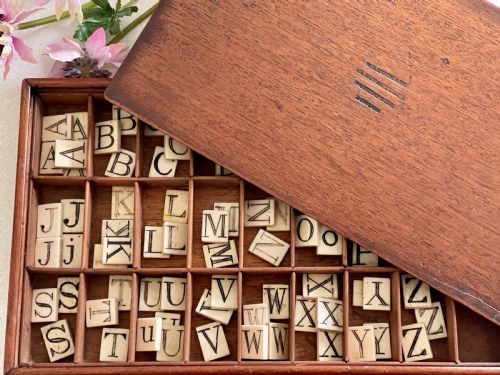


Antique Letter Stamp
These antique letter stamps and desk seals are functional desk accessories from past centuries, offering a tangible connection to handwritten correspondence.
Antique Letter Stamp
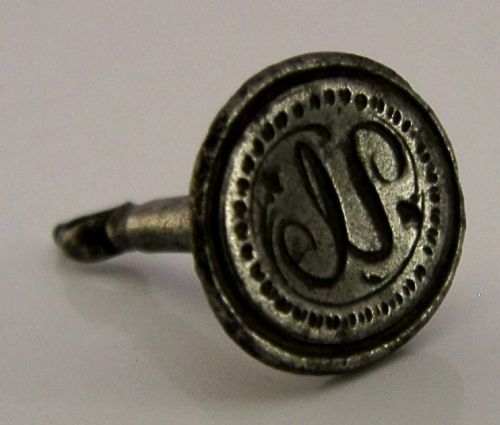
An antique letter stamp is a desk accessory designed for sealing correspondence with wax or moistening envelopes, taking forms such as desk seals, wax seals, and boxes. These items appear across periods like the Georgian era, the nineteenth century, the Edwardian period, and into the mid-twentieth century.
The versions most commonly met on this page include desk seals fashioned as novelty figures, armorial intaglios, and boxed sets complete with coloured-glass seals. Makers and craftsmen utilised materials ranging from sterling silver and cut steel to mahogany, bone, and glass.
How they were made
Metals such as sterling silver, silver, steel, and brass were cast, carved, or forged to create the sturdy bodies and detailed heads of desk seals and stamp moisteners. Silver examples often carry hallmarks indicating their assay office and date of production.
Organic and decorative components incorporate carved bone, turned mahogany, velvet linings, and glass intaglios. Cut steel is utilised for faceted fob seals that catch the light, while wooden boxes house alphabets and multiple seal matrices.
Antique Letter Stamp Retail Price Guide 2026
Typical asking prices for letter stamp among the pieces listed under this phrase on Sellingantiques today, from the lower quarter to the upper quarter. They describe what is for sale here now, not the wider market.
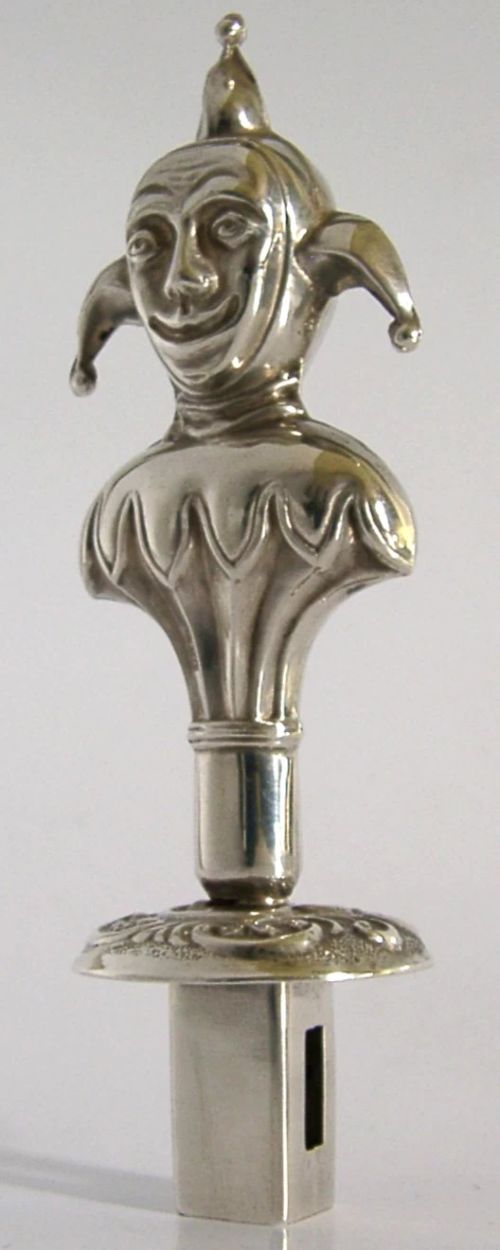
Among the silver desk accessories, a hatching chick and a Cheshire Cat share desk space with a jester sealing wax holder.
What varies in quality
The distinction between standard examples and superior pieces rests on the crispness of the engraving and the sculptural ambition of the design. Novelty forms depicting animals or jesters, along with signed pieces by notable makers, demonstrate finer hand-detailing and heavier gauge metal.
Completeness also dictates standing, particularly in boxed desk sets retaining multiple coloured-glass intaglio seals or alphabet components. The integration of luxury materials such as turquoise beads and enamel elevates the refinement of stamp boxes.
Sampson Mordan·Tiffany and Co
The Antique Letter Stamp Glossary
- Intaglio
- A design incised into a gemstone, glass, or metal surface so that an impression in wax creates a raised relief. This technique is commonly found on desk seals used for personal signets.
- Armorial
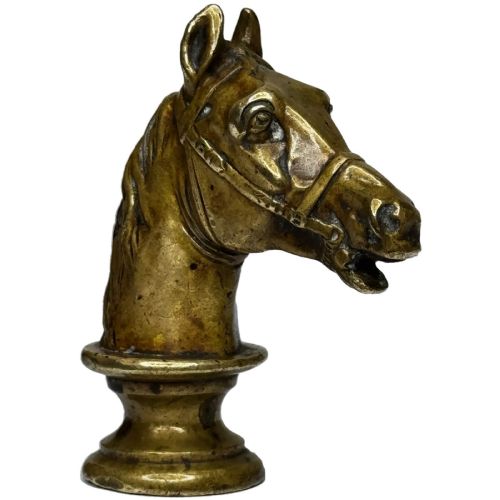
- Relating to heraldry, specifically depicting a family coat of arms. These designs appear frequently on Georgian desk seals carved with crests or horse heads.
- Wax seal
- A stamp used to impress molten sealing wax on documents or letters. They were essential tools before the widespread adoption of adhesive envelopes.
- Stamp moistener
- A device utilised to wet the gummed edge of an envelope or stamp before application. These pieces often feature silver construction.
Antique Letter Stamp: Frequently Asked Questions
What is an antique letter stamp used for?
These pieces were employed on writing desks for sealing letters with hot wax or moistening envelope adhesives before the era of modern self-seal stationery.
Today, collectors utilise them as decorative desk accessories or continue to use them with sealing wax for personal correspondence.
How do I identify a Georgian desk seal?
Georgian seals typically date from the mid-eighteenth to the early nineteenth century, frequently featuring armorial intaglios or heavy cut steel construction.
They often appear as fob seals or mounted on carved stone and glass matrices without the novelty animal figures popular in later periods.
What materials are common in these seals?
Surviving examples demonstrate a wide range of materials, most notably sterling silver, brass, and faceted cut steel.
Desk sets and boxes additionally incorporate organic elements such as mahogany, bone, glass, and velvet linings.
Are boxed desk sets rare?
Boxed sets containing multiple interchangeable intaglio seals or alphabet components represent more elaborate desk furniture from the period.
Their survival with a full complement of coloured-glass seals marks them out as particularly comprehensive desk accessories.