



Antique Lectern
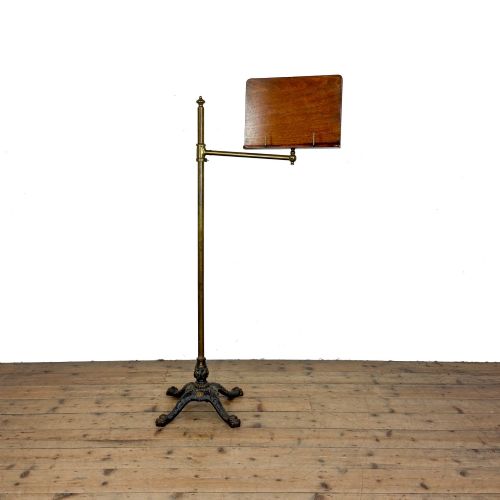
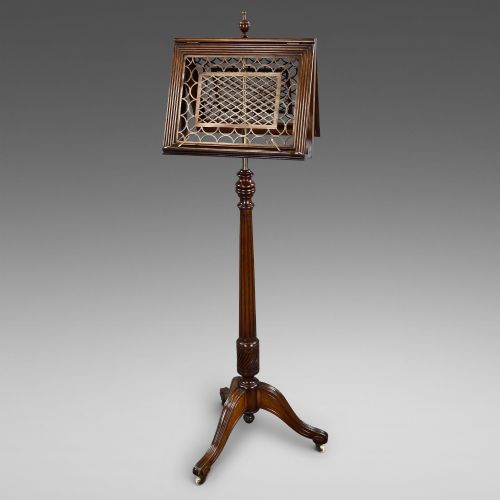
An antique lectern brings architectural presence to a room, holding books and manuscripts at a convenient angle for study or display.
Antique Lectern
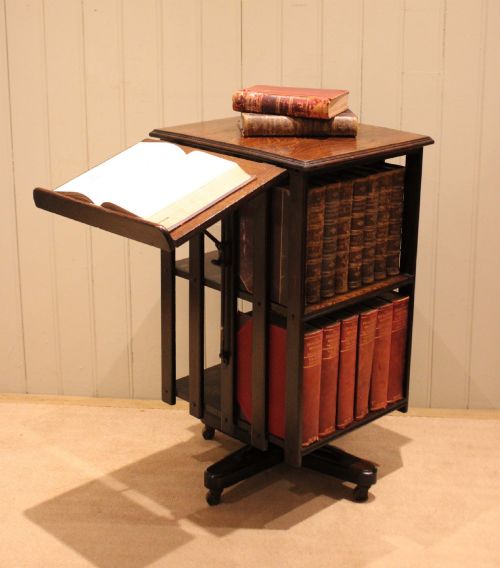
When you search for an antique lectern, you encounter items designed for reading, study and ecclesiastical use from the eighteenth, nineteenth and early twentieth centuries. The selection includes reading stands, music stands, revolving bookcases and church pulpits.
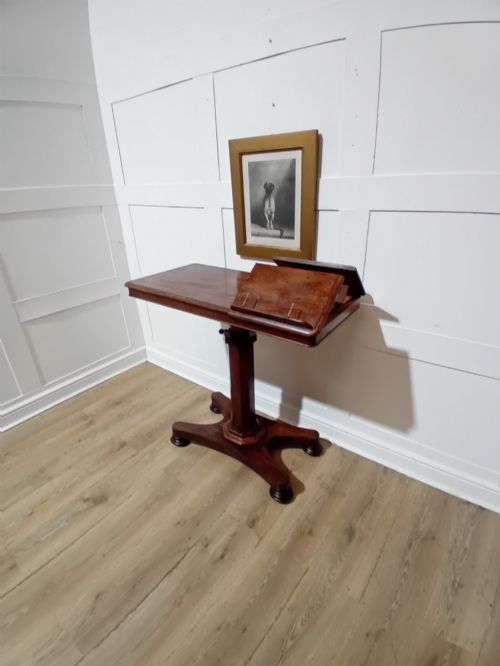
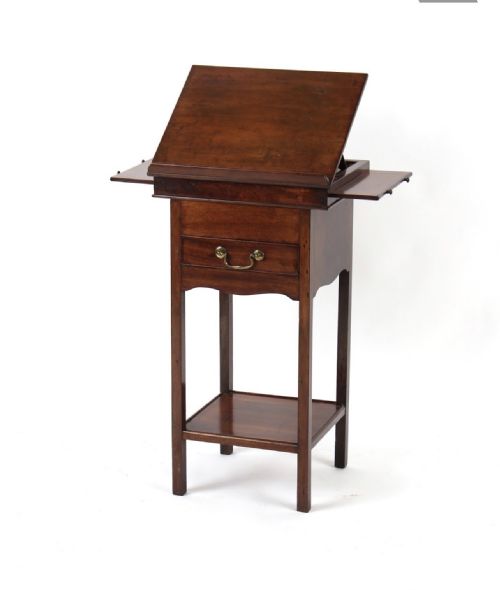
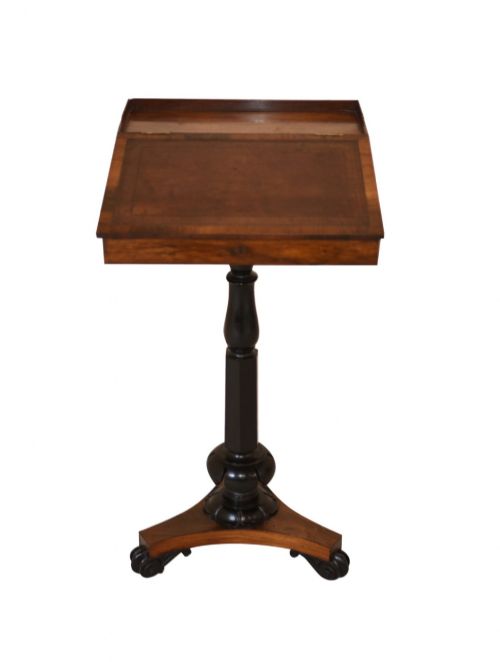
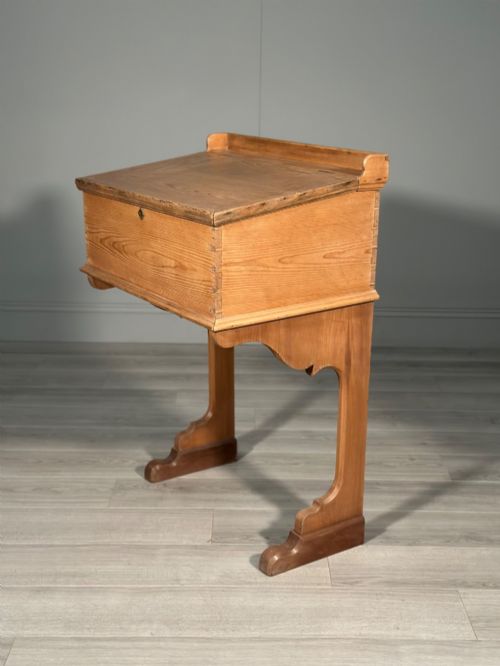
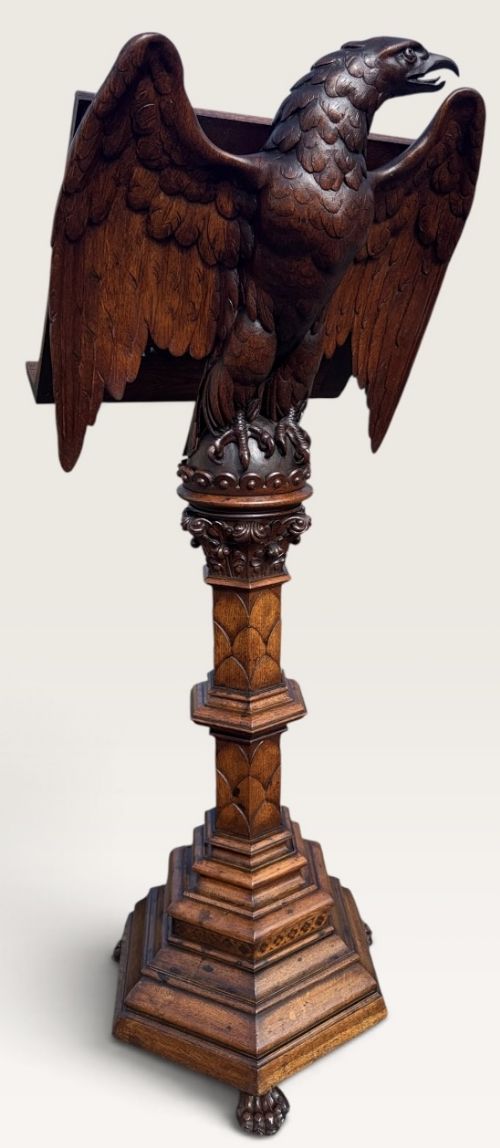
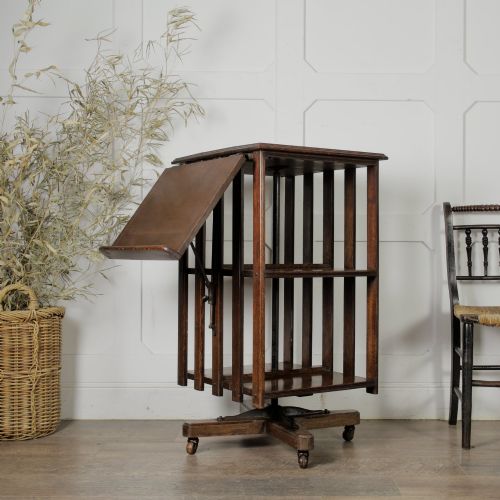
Mahogany and oak dominate the pieces seen here, spanning the Regency, Victorian, Edwardian and Arts and Crafts periods. You will find small desk-top book rests alongside large church lecterns carved with eagles and floor-standing reading tables.
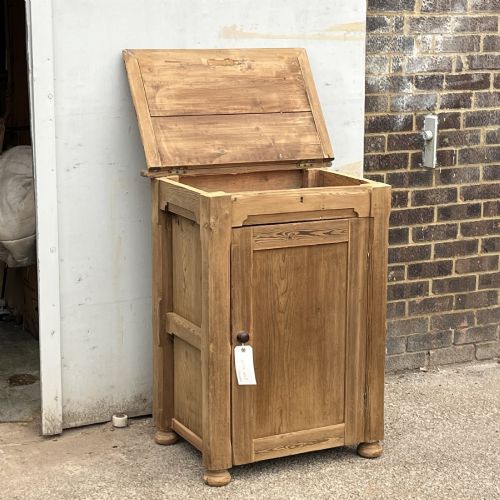
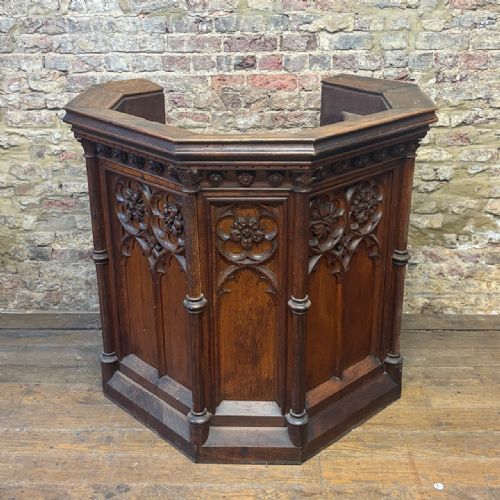
Many examples originate from domestic and ecclesiastical settings in Britain and France, reflecting both formal library use and church interiors. Architectural styles range from plain utilitarian pine to ornate Gothic Revival carving.
Materials and construction
Makers utilised solid timbers such as mahogany, oak and rosewood, often pairing them with brass fittings and iron ratchets for adjustment. Joinery methods include mortise and tenon construction to support heavy volumes.
Antique Lectern Retail Price Guide 2026
Typical asking prices for lectern among the pieces listed under this phrase on Sellingantiques today, from the lower quarter to the upper quarter. They describe what is for sale here now, not the wider market.
Listings feature oak, mahogany, rosewood and pine pieces spanning the eighteenth to the early twentieth century.
Craftsmanship and design
The degree of hand carving and the selection of timber dictate the distinction between simple utility items and high-status pieces. Finely figured mahogany, solid rosewood and deep relief carving elevate a reading stand above standard workshop production.
Mechanical complexity also separates examples, such as smooth brass ratchets for height adjustment and functional revolving book mechanisms. Robust construction in structural joints ensures stability under heavy folio volumes.
Gillows·Osborne Garrett and Co
The Antique Lectern Glossary
- Gothic Revival
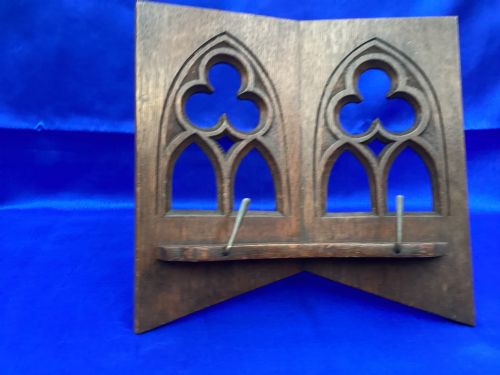
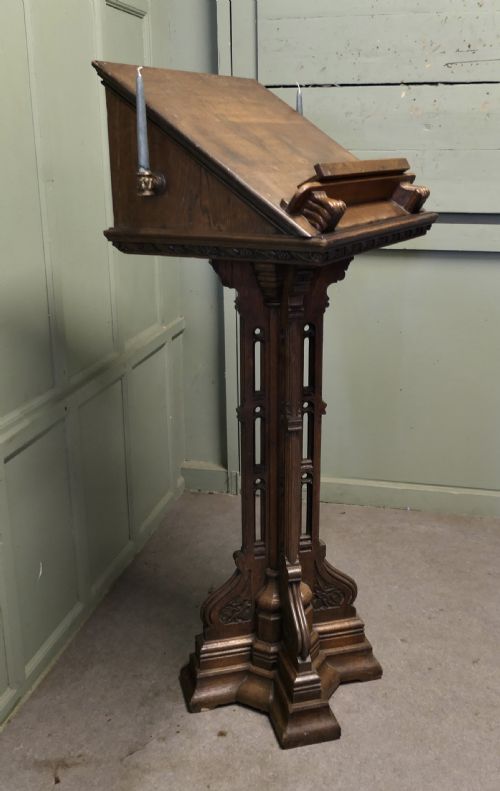
- A nineteenth-century architectural and decorative style inspired by medieval forms. It is frequently seen in carved oak church lecterns with pointed arches and tracery.
- Revolving bookcase
- A freestanding piece designed to rotate on a central spindle for easy access to volumes. They appear in solid oak and mahogany.
- Prie Dieu
- A devotional desk designed for kneeling and reading prayers. Examples date from the eighteenth century onwards.
- Duet stand
- A music or reading stand wide enough to hold two open scores side by side. They often incorporate fretted wooden galleries.
Antique Lectern: Frequently Asked Questions
How do I adjust an antique reading stand?
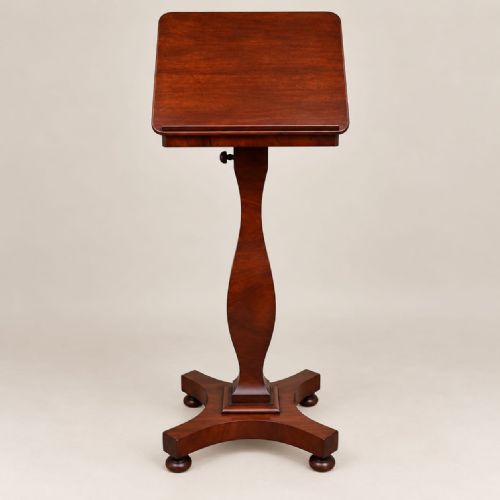
Many nineteenth-century reading tables and stands utilise brass ratchets or screw mechanisms to alter the angle of the book rest. Operating these requires steady handling to engage the teeth correctly without straining the metal joints.
Heavier wooden ratchets rely on pegged supports fitting into slotted brackets. Ensure the weight rests fully on the support peg before releasing your hold on the desk top.
Where were these stands originally used?
The pieces available range from ecclesiastical furnishings like church pulpits and brass eagle lecterns to domestic library furniture and restaurant reception stations. Ecclesiastical items served churches and chapels for holding missals and bibles.
Domestic reading tables and revolving bookcases furnished studies, libraries and drawing rooms for holding reference books and periodicals. Smaller stands functioned as desk-top book rests for individual readers.
How do I date an oak lectern?
Dating relies on timber selection, construction methods and stylistic markers such as Gothic Revival carving or Arts and Crafts simplicity. Nineteenth-century examples often display machine-sawn internal components alongside hand-finished details.
Earlier eighteenth-century pieces show pegged joinery and hand-planed surfaces on structural members. Brass hardware and ratchets also provide clues to the manufacturing period.
Can I use a church lectern in a modern home?
Floor-standing lecterns and reading tables fit well in studies, hallways or living rooms as display furniture for large books or atlases. Their architectural presence anchors a room's decor.
Smaller desk-top book rests sit comfortably on tables or sideboards. They provide a practical display angle for art books, sheet music and family Bibles.