
Antique Leaves Dining Table
An antique leaves dining table brings adaptable scale and period character to a room, offering clever extension mechanisms suited to modern gatherings.
Antique Leaves Dining Table
When you search for an antique leaves dining table, you encounter practical furniture designed to expand for guests and contract for everyday use.
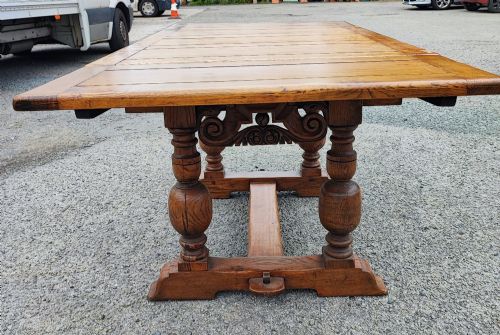
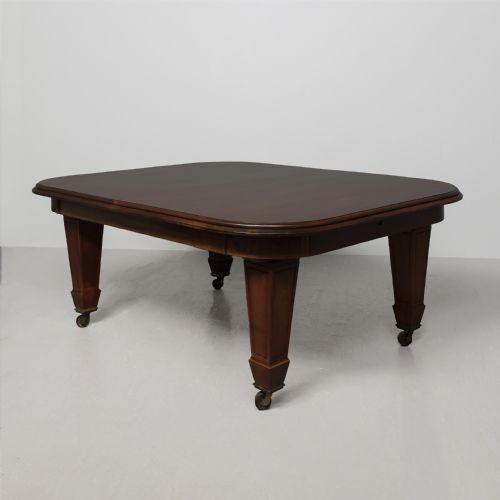
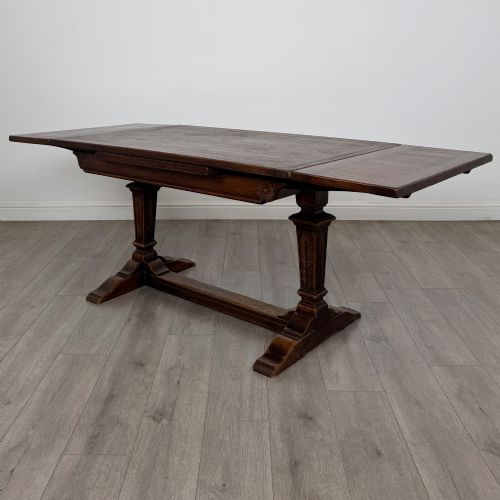
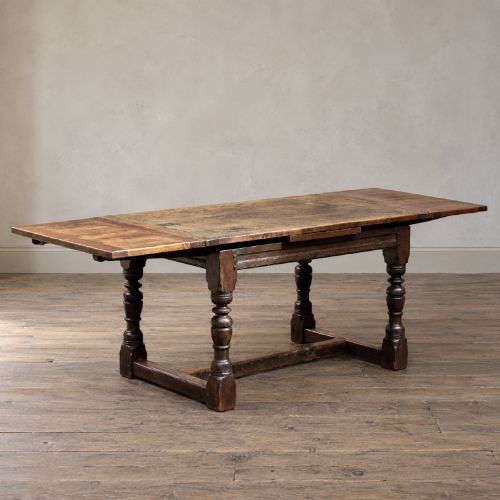
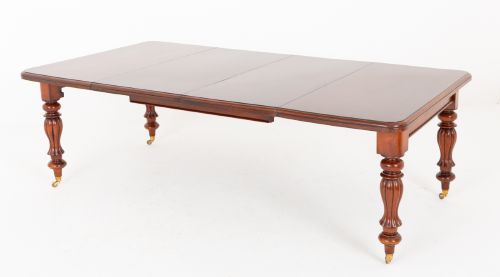
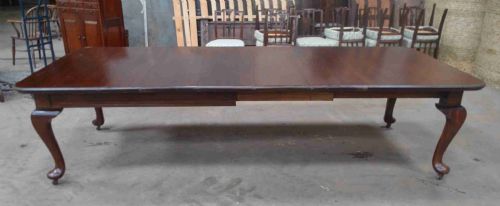
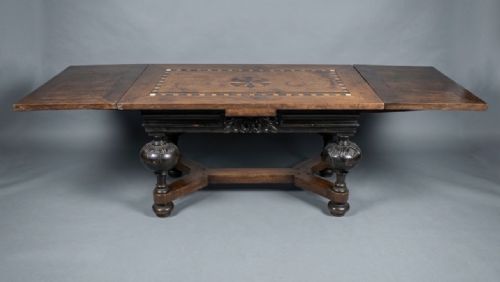
The selections span centuries of craftsmanship, ranging from seventeenth-century oak draw leaf tables to grand Victorian and Edwardian mahogany extending tables with multiple leaves.
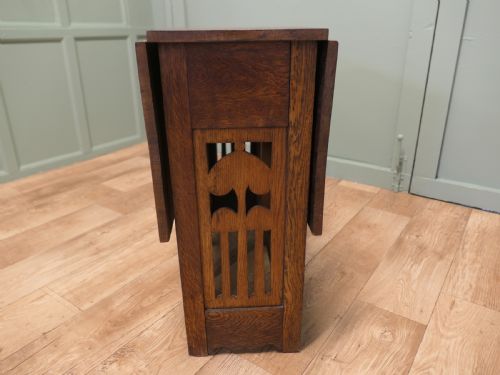
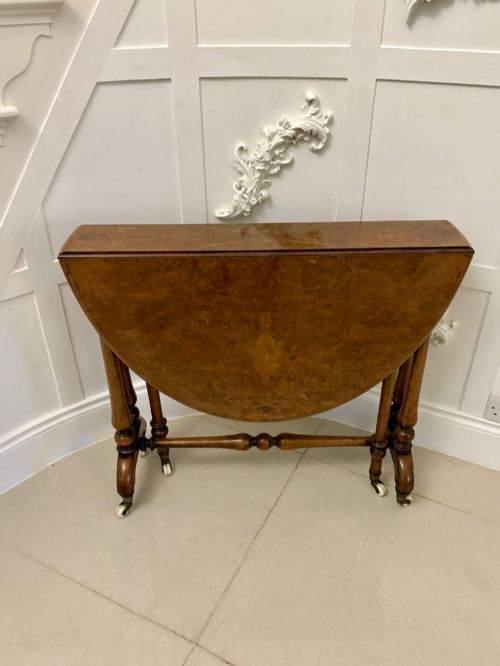
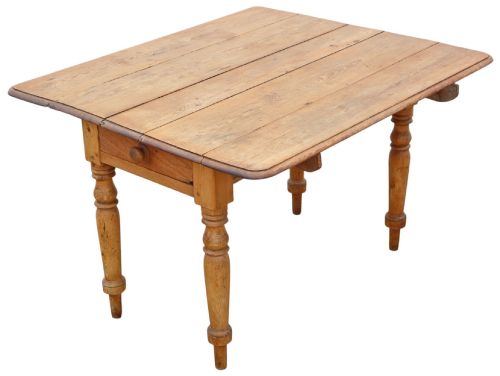
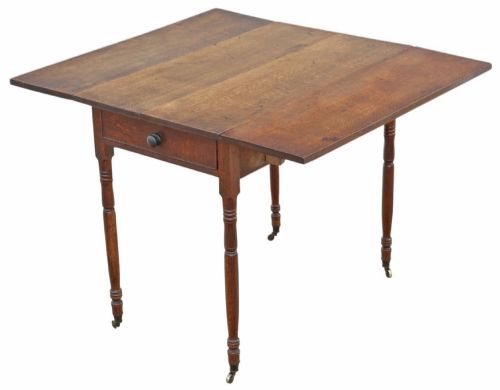
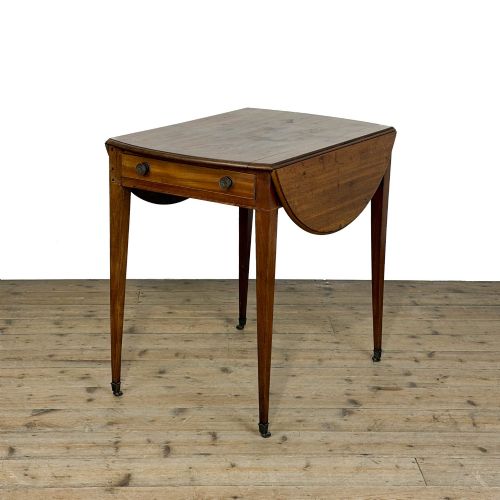
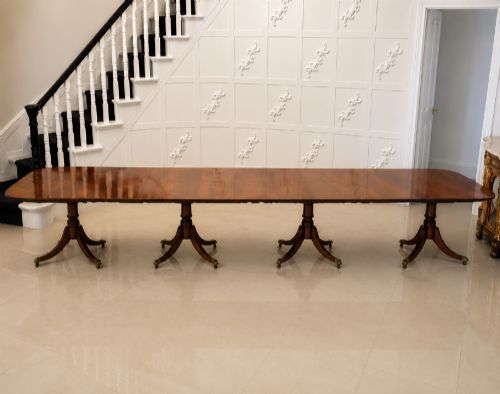
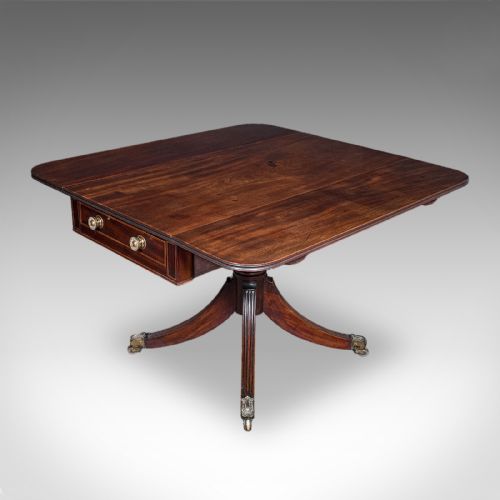
You will also find drop-leaf Pembroke tables and gateleg formats in walnut and solid oak, alongside banquet tables featuring several pedestals.
Materials and Technique
Cabinet makers built these tables primarily in sturdy timbers such as mahogany, oak, and walnut, often selecting figured veneers for visual depth.
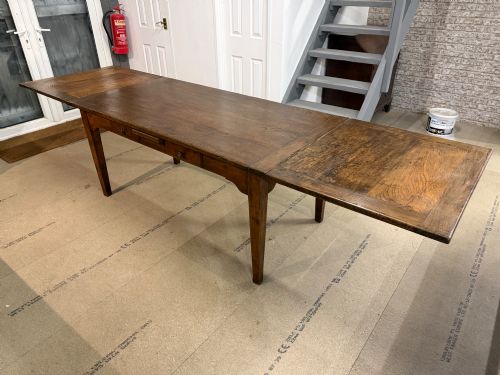
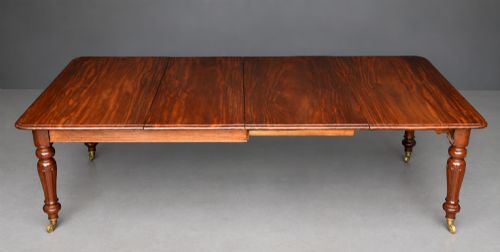
Extension systems utilised clever engineering, including wind-out mechanisms with handles, draw leaves that pull from beneath the main top, and drop leaves supported by hinged folding legs.
Makers integrated brass hardware and subtle inlay work, while finishes relied on traditional polishes that developed deep patinas over generations of use.
Judging Quality
The distinction between ordinary examples and exceptional pieces lies in the precision of the timber matching across the main top and its accompanying leaves.
Superior tables maintain structural integrity and smooth operation within their extension mechanisms, ensuring the leaves align flush without sagging under weight.
Finer construction reveals itself in crisp carved details, balanced proportions, and the survival of original winding handles or matching leaf holders.
James Garvie and Sons·William and Gibton
The Antique Leaves Dining Table Glossary
- Draw leaf
- A table design where extension leaves are stored underneath the primary top and pulled out from each end to lengthen the surface.
- Wind-out table
- An extending dining table operated by inserting a metal crank handle into a socket to turn an internal screw mechanism.
- Gateleg table
- A drop-leaf table featuring hinged legs that swing outward like a gate to support the raised flaps.
- Pembroke table
- A small occasional or dining table with hinged leaves on two opposite sides and typically a drawer.
- Patina
- The lustrous surface sheen and mellow colour developed on wood over decades of handling, exposure, and polishing.
Antique Leaves Dining Table: Frequently Asked Questions
How do draw leaf tables work?
Draw leaf tables utilise hidden panels stored beneath the main surface. When you pull them, the primary top rises slightly and the extension leaves slide smoothly into place.
This ingenious mechanism allows one person to lengthen the table without removing separate boards or storing them in a cupboard.
What is a wind-out dining table?
A wind-out table is an extending design operated by a mechanical screw system housed inside the frame. Inserting a removable crank handle and turning it draws the table ends apart.
This action creates a central gap where extra leaves are dropped in before winding the mechanism back together to secure everything tightly.
How do I care for an antique wood surface?
Preserving the finish requires avoiding direct sunlight and excessive heat sources that can dry out or warp old timber. Regular dusting with a soft cloth keeps the surface clean without abrasive buildup.
Applying traditional wax occasionally nourishes the wood and protects the patina against minor spills and daily wear.
Can I seat many guests at these tables?
Many of these tables were built to accommodate large gatherings by accepting multiple removable leaves or extending outward significantly. Banquet versions can easily seat twelve to twenty-four people when fully opened.
Checking the dimensions and leaf counts helps determine the exact seating capacity for your dining room.