

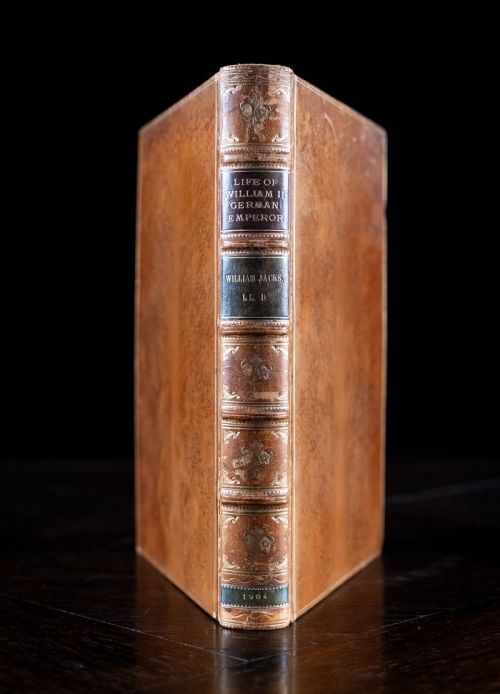
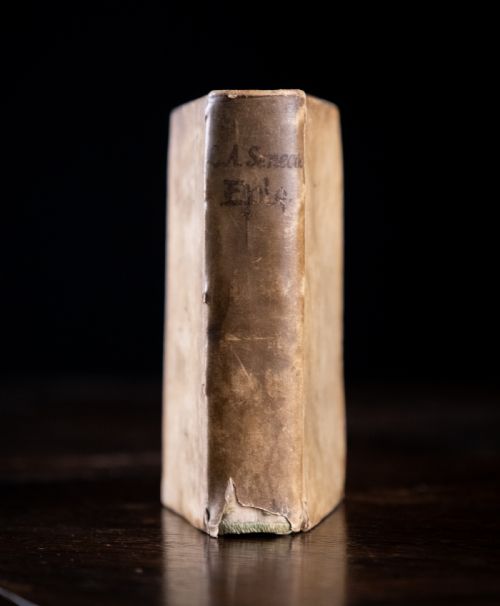
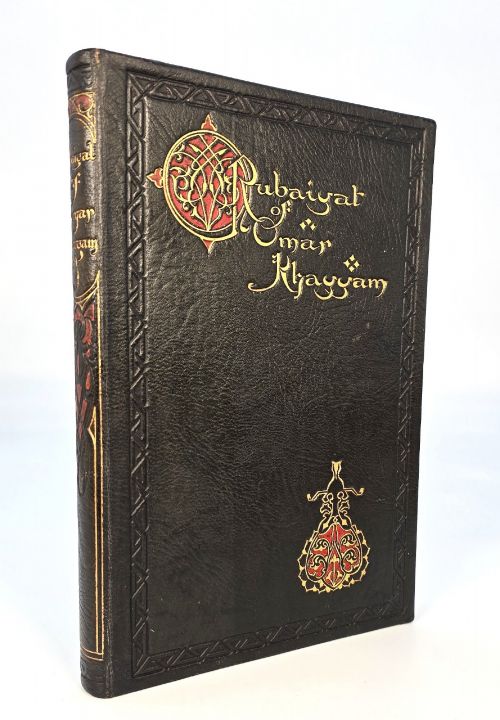
Antique Leather Books
Antique leather books bring warmth and texture to a room, offering tactile historical reading in rich bindings.
Antique Leather Books
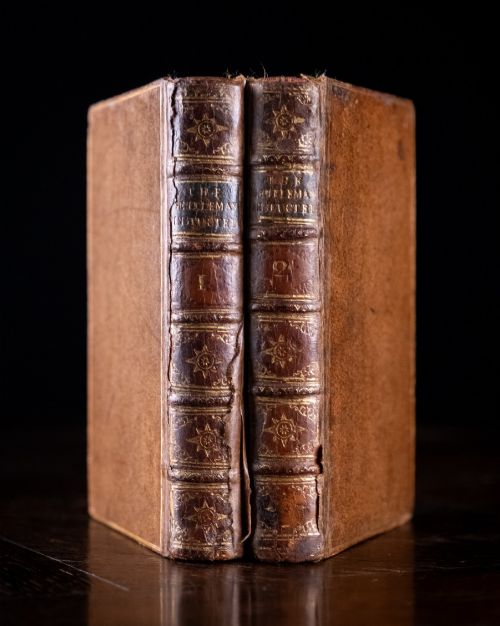
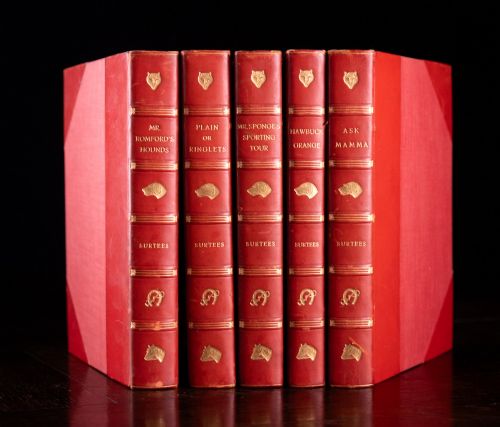
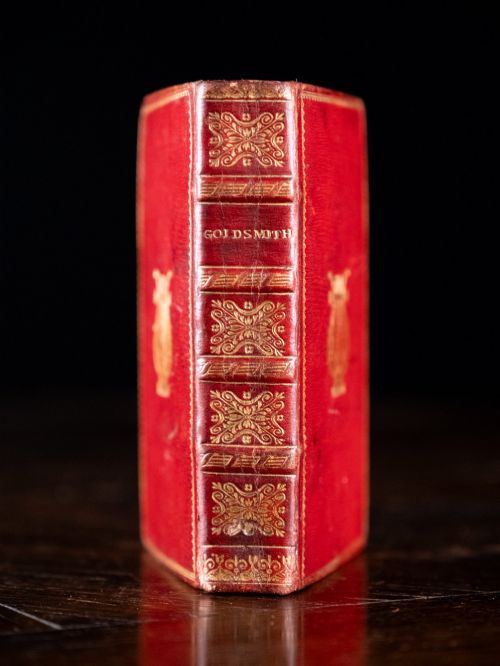
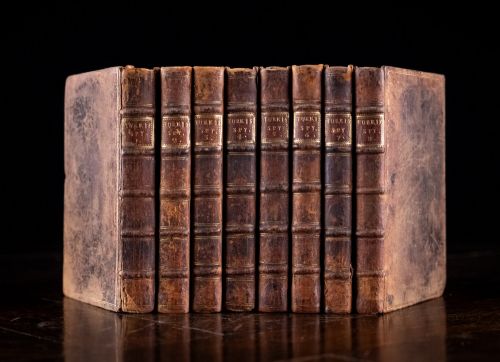
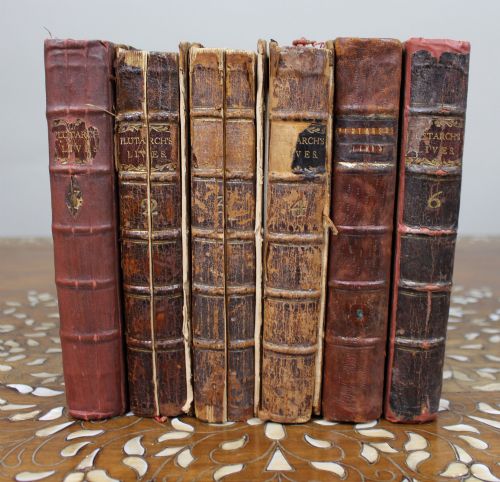
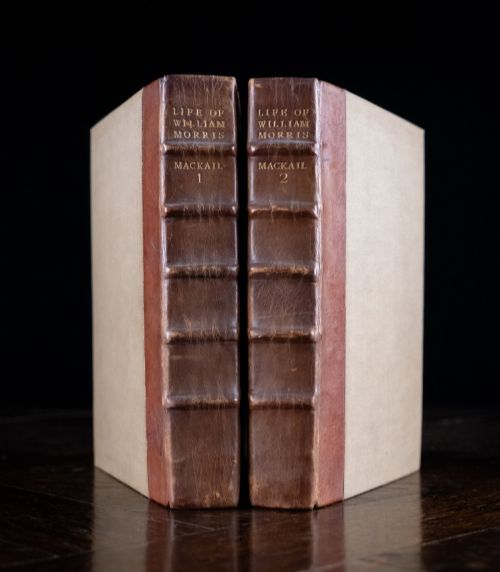
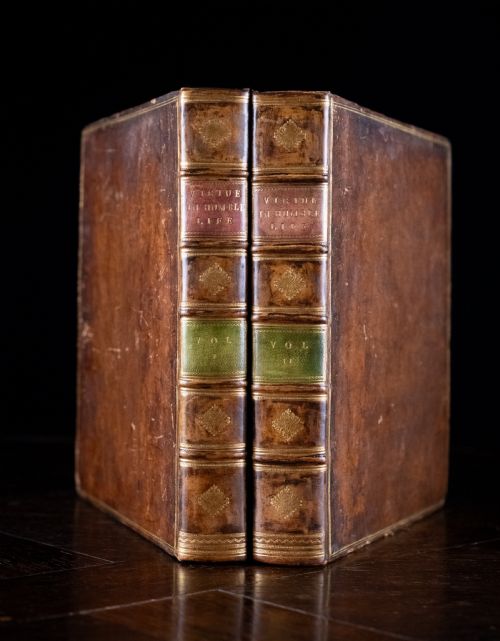
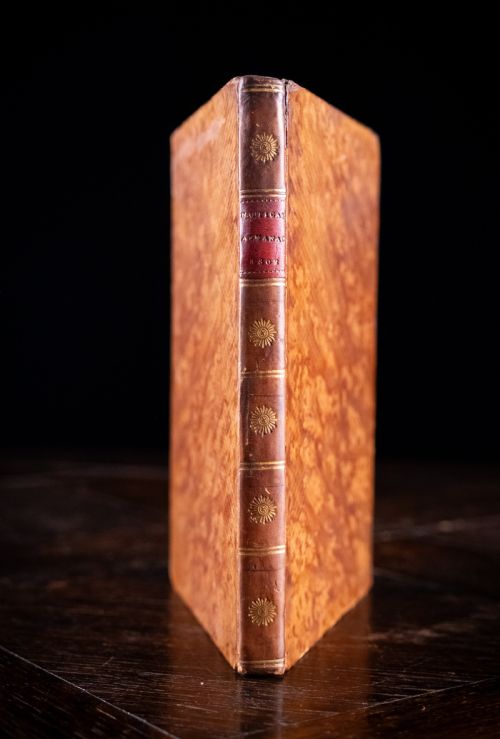
When you search for antique leather books, you encounter volumes featuring leather spines and covers, often embellished with gold leaf lettering and tooling. The selection includes individual first editions, multi-volume sets, runs of French and English literature, and decorative tantalus boxes or bookends formed from old bindings.
The Victorian period is represented alongside Edwardian collections and earlier nineteenth-century works by publishers such as Charles Knight and London firms, as well as Parisian makers. These pieces range from substantial literary runs to decorative stacks utilised for interior display and functional reading alike.
Materials and Construction
The primary materials recorded are leather, paper, and gold leaf, creating durable bindings designed for daily handling in domestic libraries. Binders utilised animal hides for the outer casing, applying tooling directly to the spine and boards.
Gold leaf was pressed into the leather using heated brass type and decorative rolls, marking titles, author names, and ornate bands across the spine. Paper pages were folded, sewn into signatures, and secured within the leather structure.
The site archive demonstrates materials including leather, gold leaf, and paper across Victorian and Edwardian periods.
Assessing Quality in Bindings
Quality reveals itself in the integrity of the leather and the crispness of the gold tooling applied across the spine and boards. Fine examples maintain supple hides and tight sewing structures, whereas lower tiers show brittle leather and degraded paper.
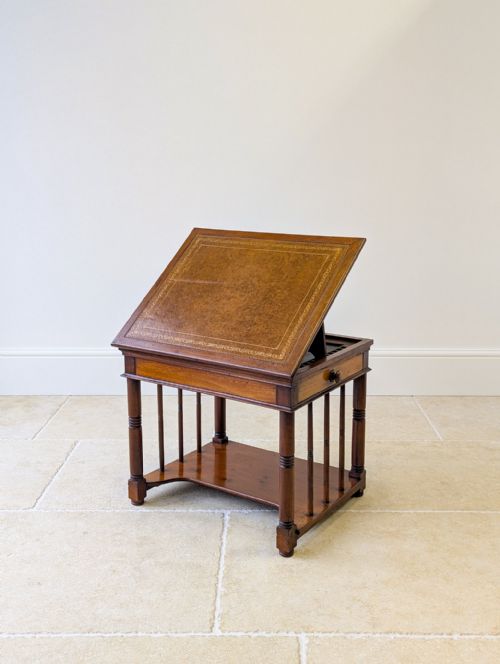
The uniformity of a run or set influences desirability, as matched collections maintain a harmonious appearance on library shelves. Specialised pieces like signed bookslides by makers such as Dreyfous demonstrate superior craftsmanship compared to standard decorative bookends.
Dreyfous Of Paris·Charles Knight
The Antique Leather Books Glossary
- First Edition
- The earliest published appearance of a work, highly sought after by collectors for its textual primacy. These volumes represent the initial printing authorised by the publisher.
- Tooling
- The decorative impression applied to leather bindings using heated metal tools and gold leaf. It creates intricate patterns and legible titles along the spine.
- Tantalus
- A locking wooden box disguised as a stack of leather books, designed to secure decanters while displaying fine bindings. The mechanism prevents guests from accessing the contents without a key.
- Bookslide
- An adjustable rack with expandable ends designed to hold a row of volumes upright on a desk or table. These accessories often incorporate leather-covered woodwork and metal mechanisms.
Antique Leather Books: Frequently Asked Questions
How do I care for leather bindings?
Leather bindings require stable humidity and protection from direct sunlight to prevent the hide from drying out and cracking. Dust them gently with a dry cloth and avoid modern chemical cleaners.
Handling them with clean hands preserves the natural oils in the leather and protects the delicate gold tooling on the spine from rubbing away over time.
What is a decorative run of books?
A decorative run consists of multiple volumes sharing uniform leather bindings, height, and colour tone, designed to fill a specific shelf length. Publishers and booksellers assembled these sets primarily for visual harmony in nineteenth-century libraries.
While some runs contain complete literary works, others were curated purely for their aesthetic impact on interior decoration.
Are these books suitable for reading?
Many antique leather books remain structurally sound and entirely readable, provided the hinges and sewing cords are secure. Victorian and Edwardian editions often feature durable paper stock and robust bindings.
However, fragile first editions or volumes with dry leather are better suited for careful consultation rather than casual, heavy reading.
How can I tell the date of a book?
Dating relies on title page publication notices, publisher imprints, and historical records associated with specific firms like Charles Knight. Stylistic clues in the gold tooling and leather grain also point toward periods such as the Victorian era.
Inscriptions and bookplates left by previous owners can offer additional chronological evidence regarding when the volume was actively read.