






Antique Leather Book Collection
An antique leather book collection brings history, literature and rich shelf presence together in matched sets and single volumes.
Antique Leather Book Collection
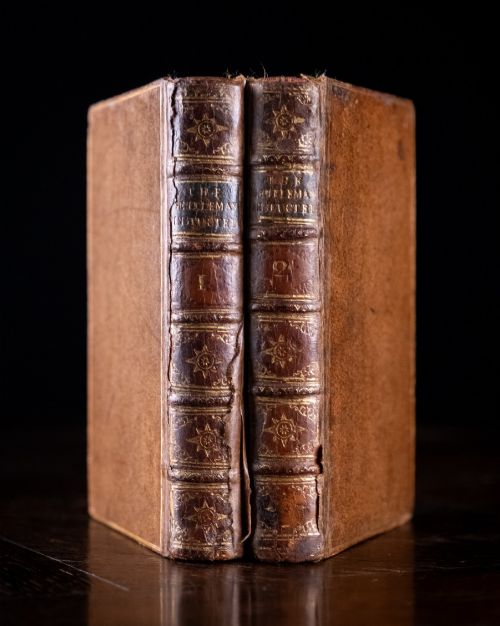
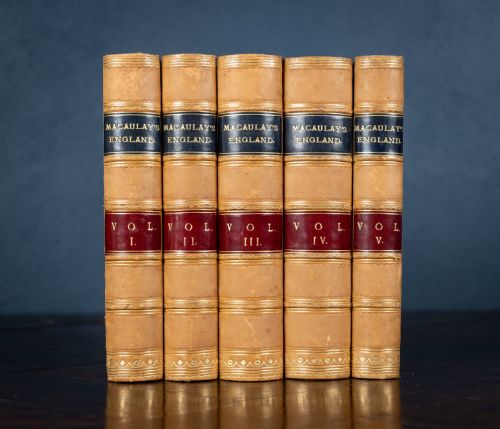
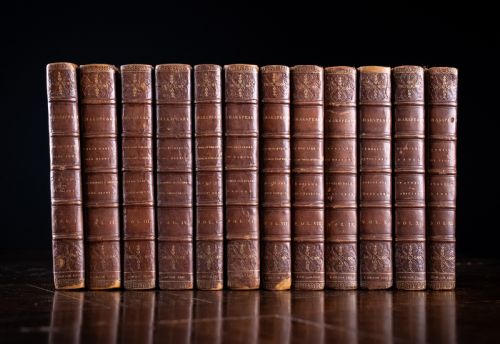
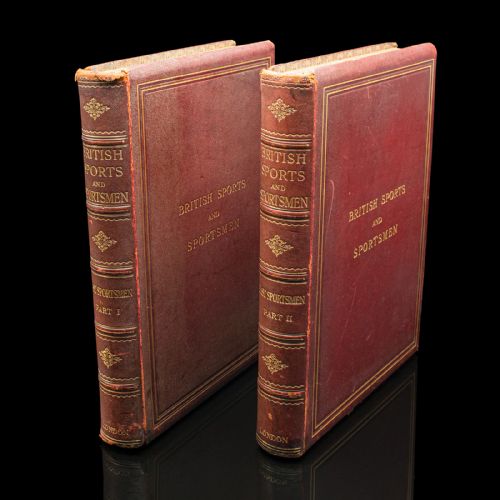
An antique leather book collection comprises antiquarian books, multi-volume sets and complete works gathered from the eighteenth, nineteenth and early twentieth centuries. These volumes span historical treatises, poetry, novels and sporting references produced during the Georgian, Victorian and Edwardian eras.
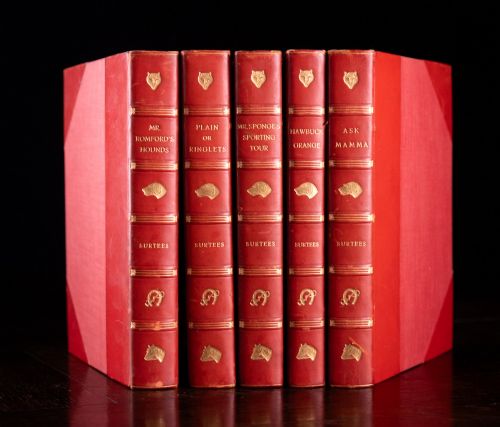
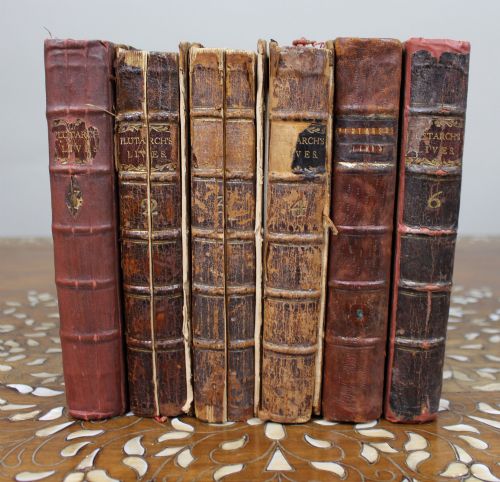
Sets vary from compact selections of four volumes to extensive runs reaching dozens of books, often sharing uniform bindings intended for display. Shakespeare plays, historical accounts and classic literature dominate the selection, presented in durable calfskin, calf leather or vellum.
Collectors encounter individual volumes alongside comprehensive multi-volume sets that preserve the original typography and publishing history of London printing houses. Each grouping reflects the literary tastes and library traditions of its period of origin.
Materials and construction methods
Binders utilised genuine leather, calfskin, calf leather and vellum over sturdy boards, protecting the paper pages within. Vellum provided a smooth, durable exterior while leather offered flexibility and rich texture.
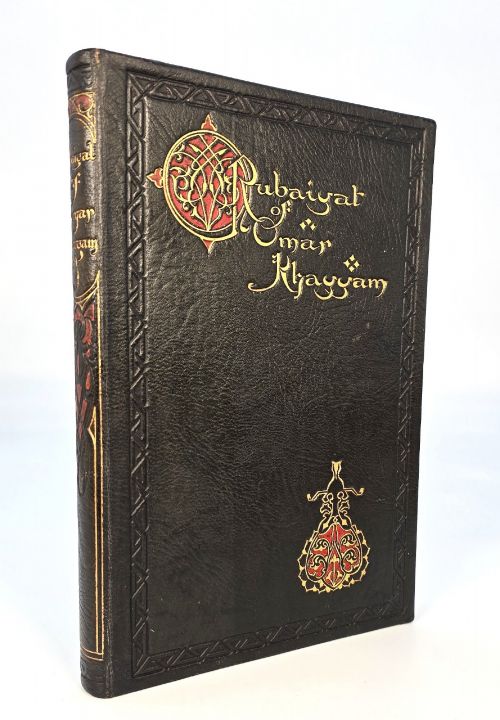
Spines and covers received decorative treatment through tooling and the application of gold leaf and gilt lettering to display titles and author names clearly. Paper pages were bound securely into signatures before casing in leather.
Publishers and binders such as Henry Young and Son produced uniform bindings for series, ensuring multi-volume sets matched in height, leather shade and spine decoration.
Bound sermons from the seventeen-fifties prove that earlier generations enjoyed instructional reading before bedtime.
Assessing quality in historical bindings
The integrity of the leather binding and the uniformity of the set determine the character of the books. Sets that remain uniformly bound across every volume maintain greater visual harmony on a shelf.
The clarity of gold leaf tooling and the legibility of spine lettering indicate the skill of the original binder. High-grade calfskin andvellum withstand handling better over centuries while retaining their suppleness.
Completeness of multi-volume sets and the presence of original publisher marks or binder stamps elevate the historical interest of the texts.
J. and R. Tonson·Henry Young and Son
The Antique Leather Book Collection Glossary
- Vellum
- A fine parchment prepared from calfskin, used historically for durable book bindings and manuscript covers. It offers a smooth surface that yellows gracefully with age.
- Calf leather
- A soft, supple leather derived from the skin of a calf, frequently employed for nineteenth-century book bindings. It takes tooling and gold leaf exceptionally well.
- Gilt
- A thin layer of gold applied to the edges of pages or stamped onto leather bindings for decoration. This technique protects the paper edges from dust and adds decorative brilliance.
- Uniform binding
- A series of books bound in identical materials and styles by a publisher or binder to create a matched set. This practice became widespread during the Victorian era for collected works.
Antique Leather Book Collection: Frequently Asked Questions
How do I care for antique leather books?
Keep volumes away from direct sunlight and damp conditions to prevent the leather from drying out or developing mould.
Handle the spines gently when removing books from shelves to preserve the original headbands and joints.
Are multi-volume sets complete?
Check the volume numbering on the spine and title page against the stated total in the description.
Many nineteenth-century sets were issued over several years, so verifying each volume ensures the run is complete.
What is the difference between calfskin and vellum?
Calfskin is a flexible, tanned animal leather with a visible grain and soft texture.
Vellum is an untanned or lightly treated skin preparation that provides a smooth, stiff, cream-coloured surface.
How can I date an antique book?
Look for a publication date on the title page, though some eighteenth and nineteenth-century works rely on prefatory letters or library plates.
Binding style, typography and paper texture also offer strong clues to the decade of production.