

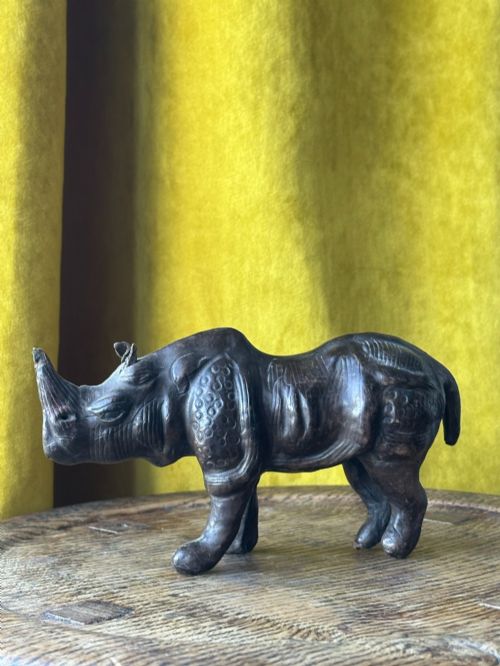


Antique Leather Animal
These antique leather animal pieces are substantial sculptural forms and functional footstools that bring character to a room.
Antique Leather Animal
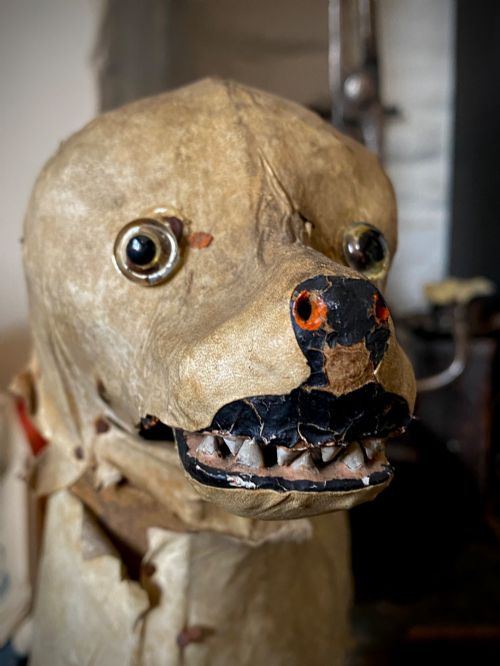
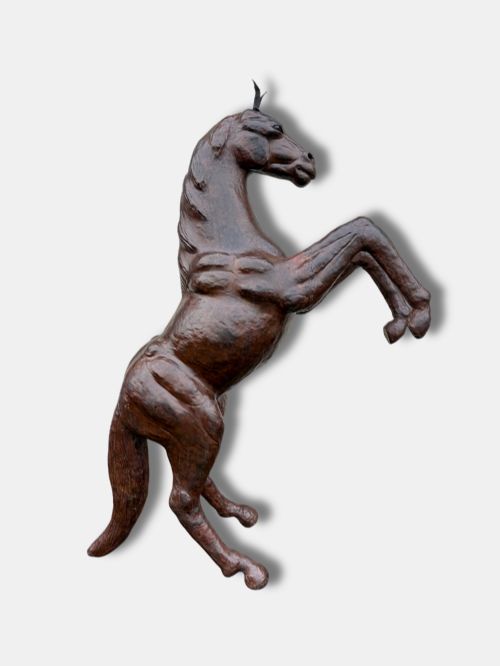
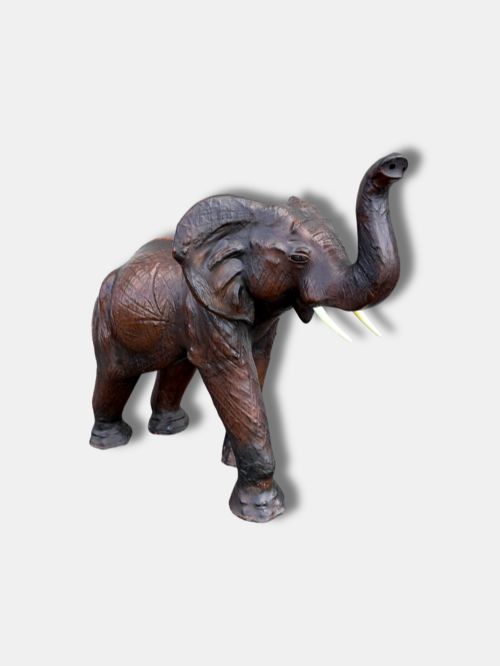
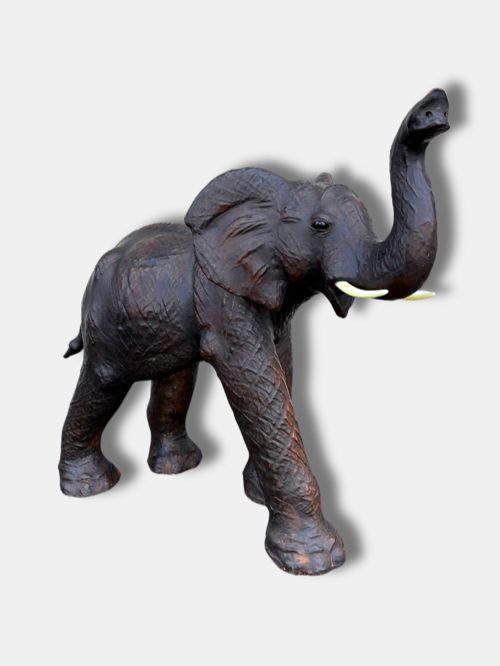
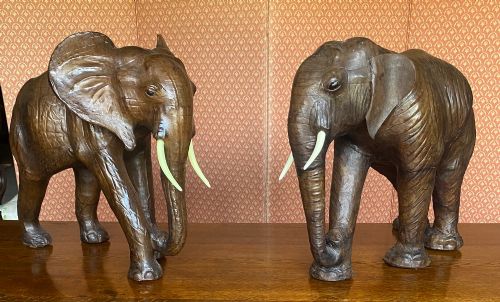
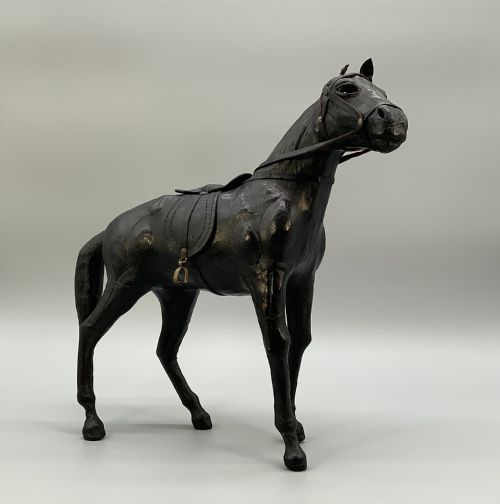
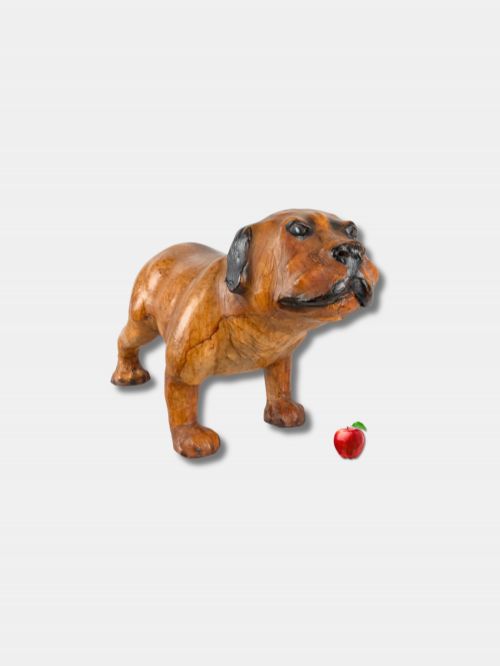
An antique leather animal is typically a sculptural model or a footstool designed to resemble a creature such as a horse, elephant, rhinoceros, dog, or bull. When you search for antique leather animal, you encounter items shaped into notable forms that double as decorative objects or seating.
The versions most commonly met on this page date from the late nineteenth century through to the nineteen-thirties. They span styles including Arts and Crafts and Art Deco, reflecting the craftsmanship of English workshops such as Liberty and Co.
Makers produced these objects in various sizes, ranging from desk ornaments to extra large bench seats and life-size models. Their dual utility as seating and sculpture makes them distinctive additions to an interior.
How they were made
Makers incorporated glass for eyes and occasionally utilised materials like faux ivory or synthetic resin for specific details such as tusks. The surfaces frequently show the careful hand of makers who stamped their work to indicate provenance.
Materials recorded across the inventory include leather, pigskin, wood, metal, glass, faux ivory, and synthetic resin.
What varies in quality
Quality in these sculptures rests upon the fidelity of the animal form and the skill involved in working the leather over the internal frame. Pieces that capture realistic musculature and anatomical proportions stand apart from simpler models.
The presence of maker marks, particularly stamps from Liberty and Co. or attributed designers like Omersa, distinguishes the finest examples. The treatment of the hide, from smooth leather to textured pigskin, also dictates the distinction between standard decorative items and high-calibre works.
Liberty of London·Liberty·Omersa For Liberty·Liberty and Co
The Antique Leather Animal Glossary
- Moulded leather
- Leather that has been dampened and shaped over a form to retain a rigid three-dimensional contour upon drying. This technique allows creators to define muscle structures and skin folds on sculptural models.
- Pigskin
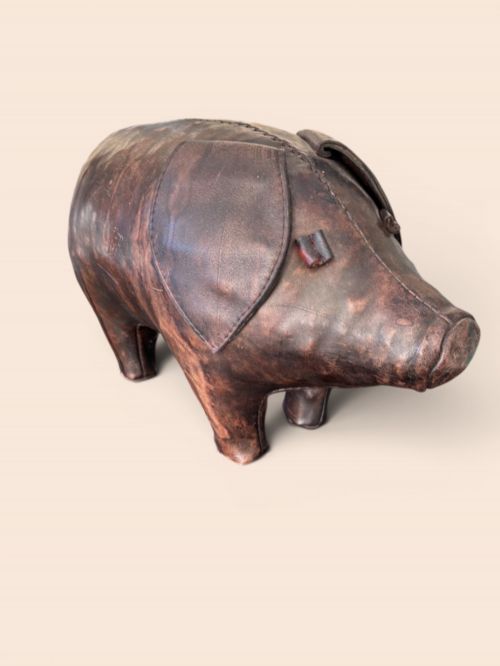
- A durable animal hide characterised by a distinct follicle pattern visible on the surface. It offers resilience and texture well-suited for heavily handled footstools and seating.
- Footstool
- A low piece of furniture designed to support the feet, often padded and upholstered. In this context, functional examples double as sturdy animal figures.
- Desk ornament
- A small decorative object intended for placement on a desk or table surface. These items prioritise sculptural detail over domestic utility.
Antique Leather Animal: Frequently Asked Questions
How were leather animals used?
Many examples served a dual purpose as decorative sculptures and functional footstools or bench seats. Larger models functioned as substantial furniture pieces within a room.
Smaller versions, such as desk ornaments, remained strictly decorative and added texture and character to study spaces.
How do I live with them?
These substantial pieces anchor a room and suit placement in studies, libraries, or living areas. Their tactile surfaces pair well with traditional wooden furniture and textiles.
Keeping them away from direct sunlight preserves the tone and suppleness of the leather over time.
How do I identify periods?
Dating relies on stylistic markers such as the heavy craftsmanship of the Arts and Crafts movement or the cleaner lines associated with Art Deco. Materials like moulded leather and pigskin appear across specific decades around the turn of the twentieth century.
Maker stamps and structural details further help place pieces within the eighteen-nineties to nineteen-thirties timeframe.