

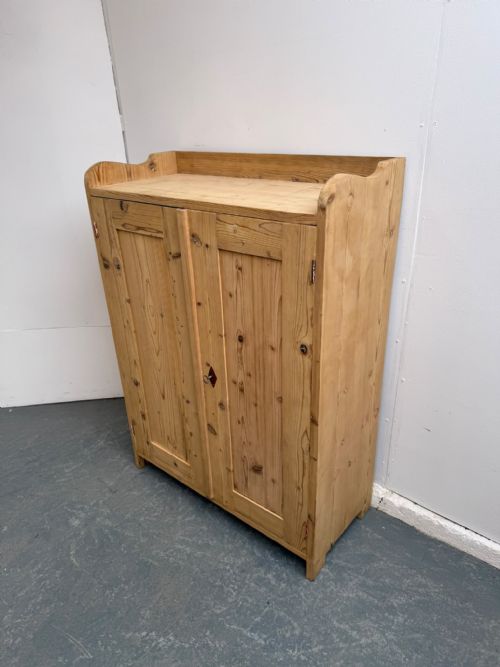
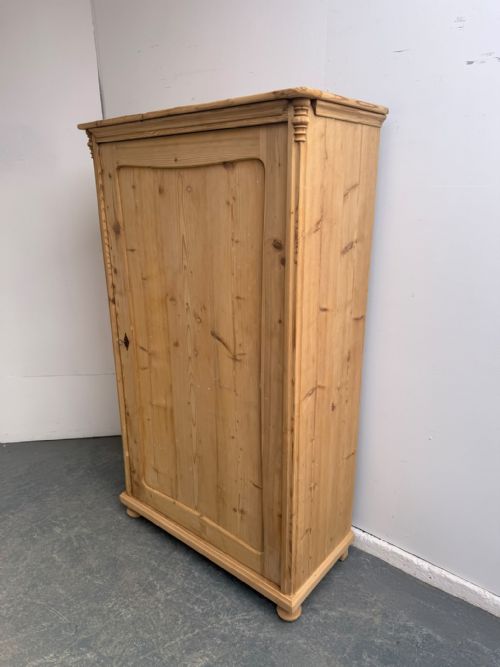


Antique Larder Unit
An antique larder unit brings honest kitchen storage home, offering deep shelves and clever ventilation for provisions.
Antique Larder Unit
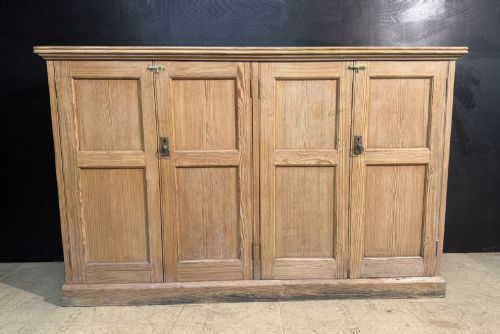
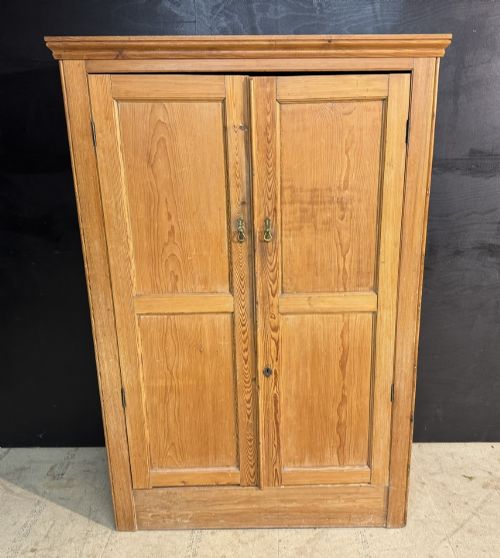
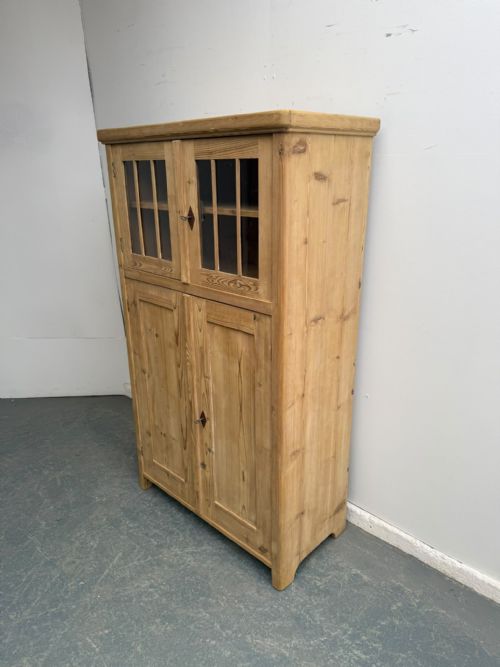
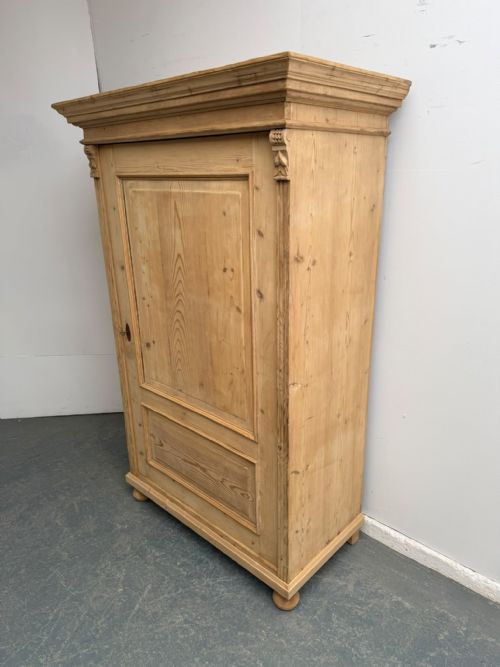
An antique larder unit encompasses utilitarian kitchen storage, housekeeper's cupboards, and food storage cabinets designed for domestic life. The selection here leans heavily towards Victorian and Georgian pieces built to house provisions and household stores.
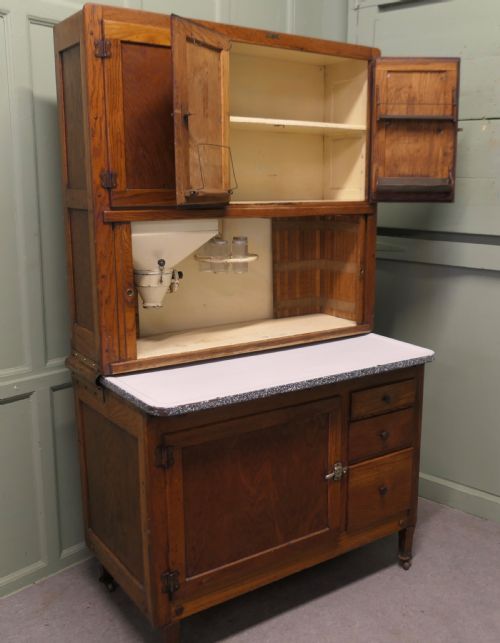
Forms range from tall one-piece cupboards with multiple doors to fitted storage cabinets and corner units. Pine and oak predominate, shaped into functional furniture that served the historic kitchen and estate.
Makers and workshops across periods utilised local timbers and straightforward designs, producing sturdy repositories that now function as statement pieces in modern pantries and kitchens.
How they were made
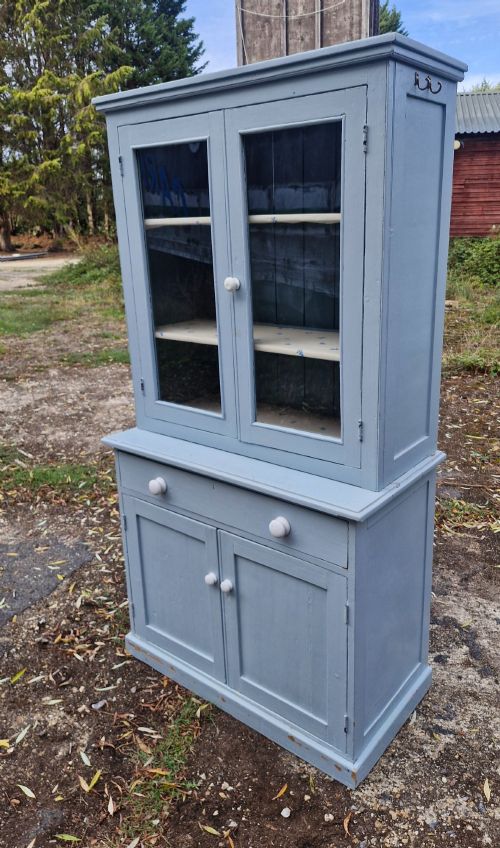
Hardware details typically include brass handles, iron latches, and occasional glass panels in glazed upper doors. Construction methods varied from rustic farmhouse builds to finely fitted estate storage cupboards with multiple drawers and dedicated compartments.
Antique Larder Unit Retail Price Guide 2026
Typical asking prices for larder unit among the pieces listed under this phrase on Sellingantiques today, from the lower quarter to the upper quarter. They describe what is for sale here now, not the wider market.
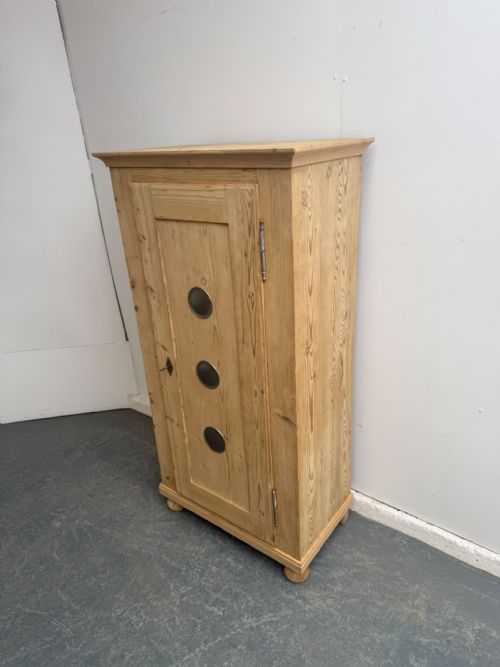
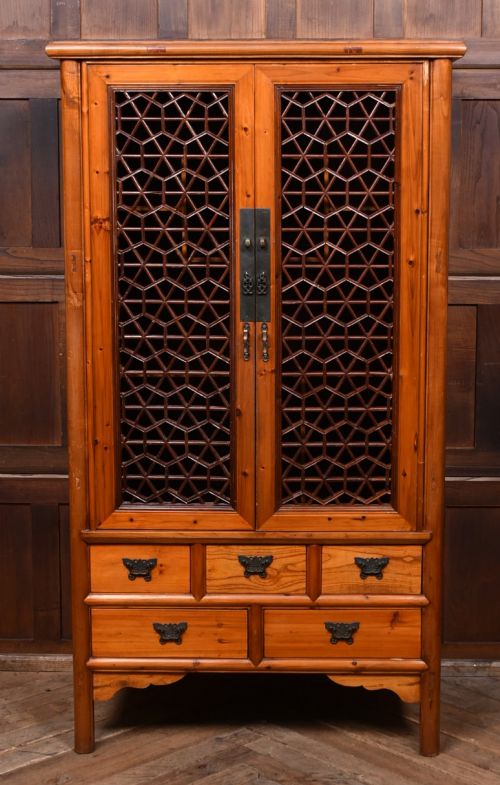
A surprise Japanese larder cupboard sits comfortably among the traditional British pine and oak estate pieces.
What varies in quality
Quality in an antique larder unit rests on the integrity of the timber, the preservation of original internal fittings, and the sophistication of the construction. Pieces featuring specialised interior shelving, fitted drawers, and intact ventilation outrank simpler utilitarian boxes.
The choice of material and external finish also dictates distinction, where well-figured oak or carefully proportioned pine with original painted surfaces commands greater interest. Structural soundness and untouched hardware elevate a piece far above heavily altered examples.
Hudson Bros
The Antique Larder Unit Glossary
- Larder Cupboard
- A tall storage piece designed specifically for food storage and provisions, often featuring internal shelving and ventilation to keep contents cool.
- Housekeeper's Cupboard
- A substantial storage furniture form traditionally used for linens, dry goods, and household provisions in large estates.
- Fielded Panel
- A raised wooden panel set within a frame, commonly used on cupboard doors to add depth and strength.
- Vented Cupboard
- A storage cabinet incorporating wire mesh, pierced metal, or slatted panels to allow air circulation for perishable goods.
- Estate Cupboard
- A large, utilitarian storage piece constructed for country houses and rural properties using robust local timbers.
Antique Larder Unit: Frequently Asked Questions
What is an antique larder unit?
An antique larder unit is a tall storage cupboard historically used for keeping food, provisions, and dry goods in domestic kitchens or estate pantries.
These pieces typically feature internal shelving, deep compartments, and built-in ventilation to help preserve perishable items before the invention of refrigeration.
How were larder cupboards used?
Households relied on these units to store flour, spices, cured meats, and other kitchen supplies away from pests and direct heat.
The inclusion of ventilated doors or panels allowed air to circulate around foodstuffs, making them the precursor to the modern refrigerator.
How do I date an antique larder?
Dating involves examining the construction methods, timber types, and hardware used in the piece.
Georgian and Victorian examples often display hand-sawn timbers, pegged joinery, and specific moulding profiles that distinguish them from later twentieth-century iterations.
Can I use an antique larder in a modern kitchen?
These cupboards offer exceptional storage capacity, making them practical for organising dry goods, dishware, or cookware in contemporary homes.
Their substantial presence and fitted interiors provide a functional alternative to modern fitted pantries while adding historic character.