

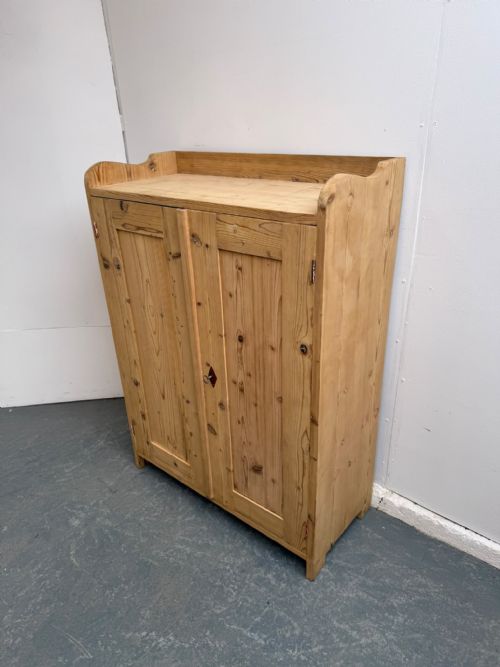
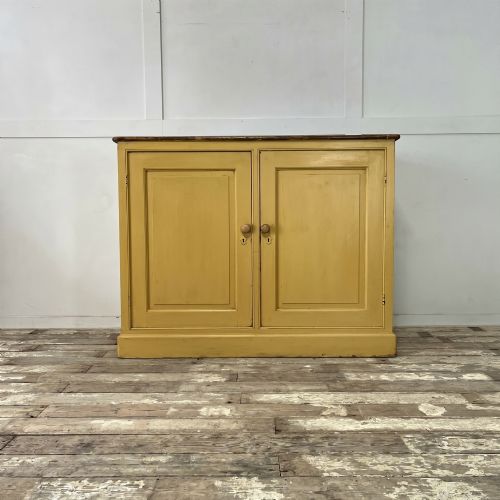
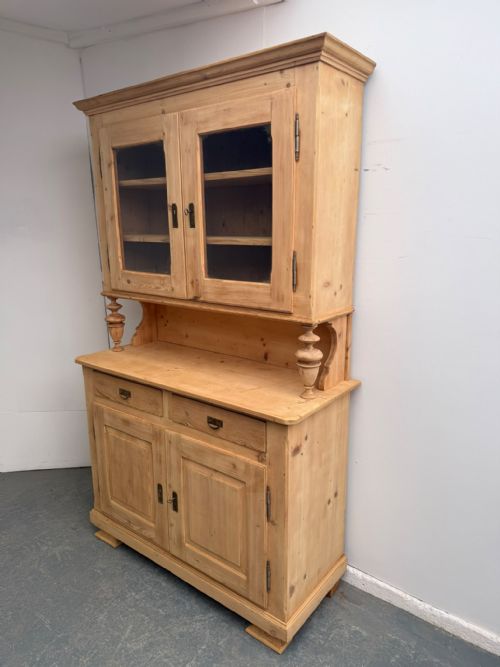


Antique Larder Base
These antique larder base pieces are utilitarian kitchen storage units built to organise provisions, prized for their honest timber construction and capacious cupboards.
Antique Larder Base
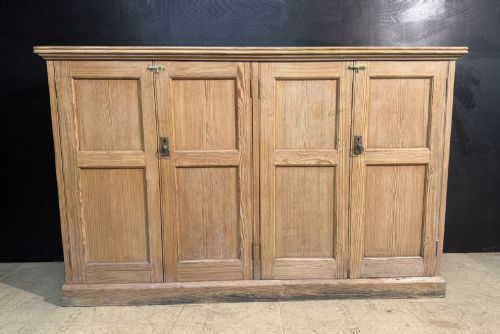
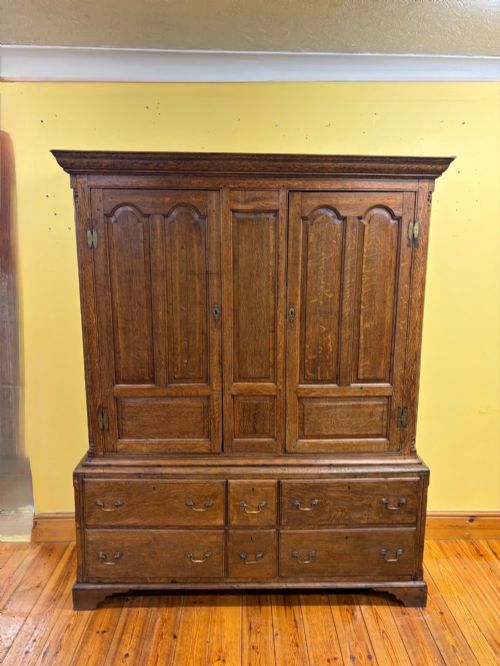
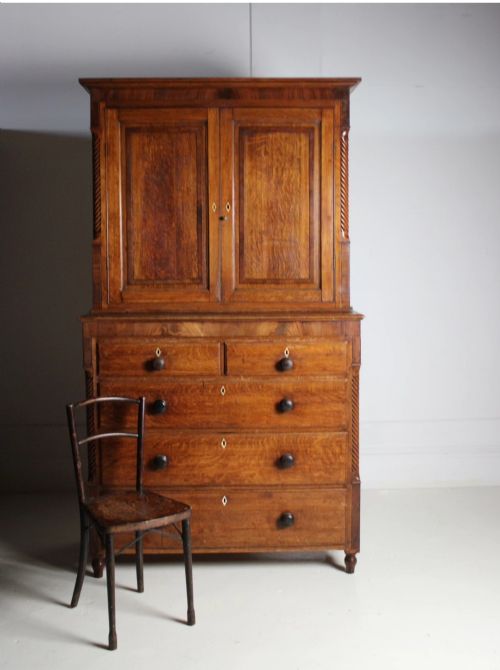
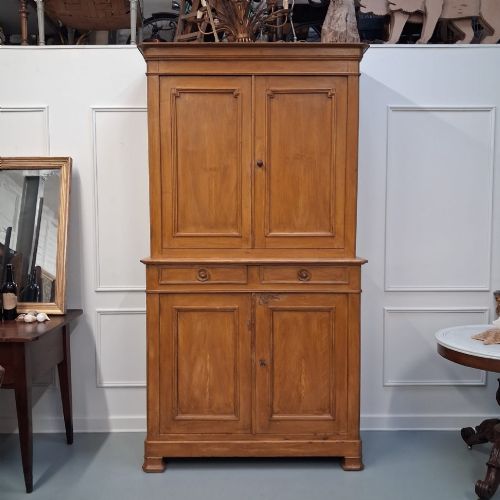
When you search for an antique larder base, you encounter substantial utilitarian furniture designed for domestic food storage and kitchen organisation. The pieces on this page span several centuries and regional traditions, encompassing robust oak housekeeper's cupboards alongside pine kitchen dressers and storage cabinets.
You are most likely to meet two main forms within this selection: large Georgian oak housekeeper's cupboards and later Victorian or early twentieth-century painted pine cupboards. These variations reflect shifts in domestic service and kitchen design, moving from grand country house storerooms to more modest domestic settings.
How they were made
Makers built these pieces primarily from solid oak or pine, selecting timber for strength and utility rather than decorative show. Brass fittings, glass panels and bone details occasionally appear as hinges, handles or escutcheons on finer examples.
Surfaces show various finishes including natural waxed oak and historic painted wood. Many pine examples exhibit layers of paint applied over decades of domestic use.
Antique Larder Base Retail Price Guide 2026
Typical asking prices for larder base among the pieces listed under this phrase on Sellingantiques today, from the lower quarter to the upper quarter. They describe what is for sale here now, not the wider market.
The listings here span the Georgian period, the Victorian era, and the early twentieth century up to the 1930s.
What varies in quality
Quality in these utility cupboards rests upon the integrity of the timber and the honesty of the construction. Superior examples retain their original structural timber and unblemished interior shelving rather than replacement boards.
The finish also dictates distinction, where untouched historic paint surfaces or well-nurtured patinated oak command greater appreciation than later stripping or unsympathetic repainting.
The Antique Larder Base Glossary
- Housekeeper's cupboard
- A large storage unit traditionally used in country houses for linen, dry goods and provisions. These pieces typically feature deep lower cupboards and upper sections with numerous shelves.
- Pine
- A softwood commonly utilised for domestic and utilitarian furniture throughout the nineteenth and twentieth centuries. It accepts paint readily and forms the basis for many provincial kitchen cupboards.
- Oak
- A durable hardwood favoured for furniture construction during the Georgian period and earlier. It provides immense structural strength and develops a rich patina over centuries.
- Dresser
- A kitchen or dining room piece combining lower storage cupboards with upper shelving or display space. These units served central functions in food preparation and tableware storage.
Antique Larder Base: Frequently Asked Questions
What is an antique larder base used for?
These cupboards served primarily to store dried goods, provisions, linens, and kitchen utensils in large houses and domestic kitchens. Their deep shelves and robust doors kept foodstuffs secure and organised before modern refrigeration.
Today, they suit modern kitchens or pantries as freestanding storage units for crockery, dry stores, or cookware, bringing practical storage capacity and historic character to a room.
How do I date an antique larder base?
Dating relies on observing the timber species, construction joints, hardware, and overall proportions. Earlier pieces from the eighteenth century typically utilise solid oak with hand-cut joinery and heavy brass or iron hinges, reflecting a Georgian provenance.
Later Victorian and early twentieth-century examples frequently employ pine, sometimes bearing layers of historic paint. Examining the backboards, interior shelving, and nail types helps determine whether a piece originates from the 1800s or the 1930s.
Should I wax or paint my cupboard?
The choice depends entirely on the current finish and the period character of the piece. Oak cupboards are generally best preserved with traditional wax to nourish the timber and highlight the natural grain.
Pine cupboards often arrive with historic painted surfaces or bare wood prepared for finishing. Retaining original paint preserves the historic character, whereas bare pine permits custom painting or waxing to match your interior.
Are these pieces suitable for modern kitchens?
These substantial cupboards integrate well into contemporary kitchens, offering generous storage capacity that mimics fitted cabinetry. Their freestanding nature allows them to be moved or repositioned as room layouts change.
Ensure you measure ceiling heights and doorway clearances carefully before purchase, as these utility cupboards often possess deep footprints and considerable height.