





Antique Lapis Lazuli
Antique lapis lazuli objects bring deep blue mineral surfaces into domestic settings through Victorian, Edwardian, and mid-century forms.
Antique Lapis Lazuli
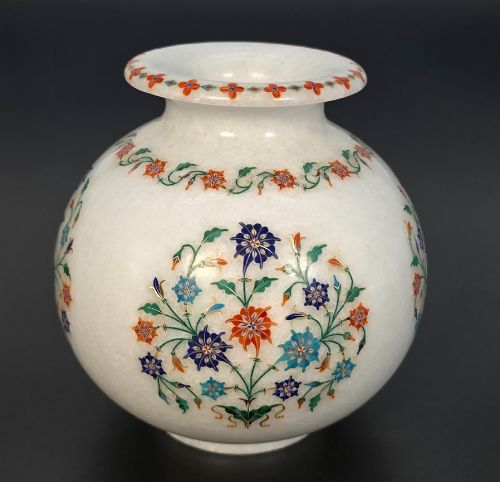
When you search for antique lapis lazuli, you encounter a diverse range of decorative items, desk accessories, and jewellery spanning the nineteenth and twentieth centuries. The selection includes desk pieces like inkstands and table vestas, wearable items such as necklaces and pendants, and larger decorative objects including vases, lamps, and sculptures. These pieces utilise the distinctive stone either as solid carved elements or as inlaid plaques.
The objects originate from various stylistic traditions, ranging from late Qing dynasty Chinese carvings and Anglo-Indian pietra dura work to British Arts and Crafts jewellery and Art Deco decorative pieces. You are likely to find items combining the deep blue stone with metals such as silver, gold, and brass, as well as contrasting minerals like onyx, white marble, and rose quartz. Each period brings its own characteristic mounting techniques and aesthetic priorities to the use of the material.
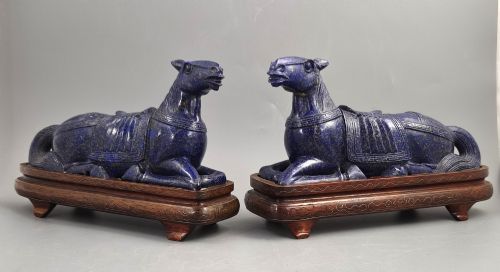
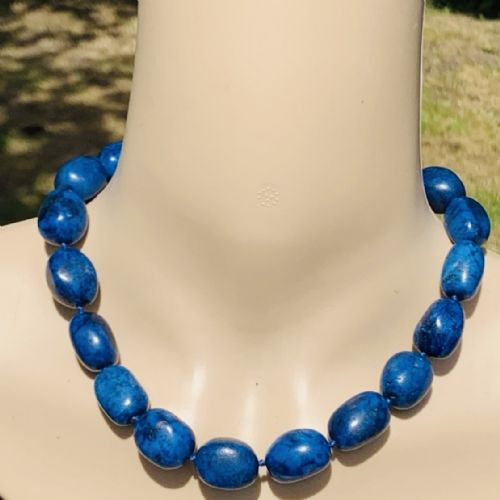
Desk accessories form a notable portion of the pieces, featuring silver-mounted inkstands and match holders that incorporate the stone into functional workspace furnishings. Personal ornaments, including beaded necklaces and gem-set pendants, demonstrate how the material was worn during the Edwardian era and the mid-twentieth century. Larger decorative works, such as carved horses and table lamps, showcase the stone's capacity to anchor substantial sculptural forms.
Materials and construction methods
The construction of these pieces relies on the combination of lapis lazuli with supporting structures of precious and base metals, hardstones, and timber. Silver mounts, gilt bronze, brass, and gold settings secure the mineral elements, while secondary materials like onyx, white marble, and hardwood provide bases or contrasting panels. Pietra dura works involve precision-cut stone fitted flush into marble or stone matrices.
Lapidary techniques used on the stone include carving, turning, and slicing into thin veneers for inlay work. Metalwork techniques such as casting, silver-gilt mounting, and wire inlay are employed to house and display the mineral. Artisans balance the brittle nature of the stone with robust metal frameworks to ensure structural stability in items subjected to handling, such as walking canes and desk stands.
Antique Lapis Lazuli Retail Price Guide 2026
Typical asking prices for lapis lazuli among the pieces listed under this phrase on Sellingantiques today, from the lower quarter to the upper quarter. They describe what is for sale here now, not the wider market.
Materials paired with the blue stone across these pieces include silver, gold, brass, onyx, white marble, rose quartz, and hardwood.
Assessing quality in lapis items
Quality in these objects rests upon the grade and saturation of the lapis lazuli itself, alongside the precision of the lapidary work. Finer examples display a rich, uniform blue colour with minimal dull calcite inclusions and well-distributed golden pyrite flecks. The integration between the stone and its metal mountings reveals the maker's skill, with superior pieces showing seamless flush-fitting and secure, unblemished bezels or prongs.
The artistic ambition of the design and the execution of auxiliary materials also separate standard items from exceptional ones. Finely carved sculptural details, intricate silverwork from recognised makers, and harmonious combinations with contrasting hardstones elevate an object's execution. Conversely, lesser pieces may exhibit crude stone shaping, excessive calcite marring the blue surface, or poorly finished metal joints.
Briggs·Dorrie Nossiter·George Betjemann
The Antique Lapis Lazuli Glossary
- Pietra dura
- An Italian mosaic technique involving the inlay of cut and fitted polished coloured stones into a base matrix. This method creates pictorial or geometric designs on tabletops, vases, and desk accessories.
- Pyrite
- A brass-yellow metallic mineral that naturally occurs as scattered flecks or veins within genuine lapis lazuli. These inclusions are a key identifier of the stone's authenticity.
- Calcite
- A white or grey mineral impurity often found within lapis lazuli. Excessive amounts can diminish the deep blue saturation of the material.
- Table vesta
- A small decorative box or container designed for holding matches on a desk or table. These containers often feature hardstone lids or metal-mounted bodies.
- Inkstand
- A desk accessory comprising one or more inkwells, pen trays, and sometimes sanders or match holders. They were frequently mounted with decorative stones and precious metals during the nineteenth and early twentieth centuries.
Antique Lapis Lazuli: Frequently Asked Questions
How do I clean antique lapis lazuli?
Clean the stone gently with a soft, dry or very slightly damp cloth to remove dust. Avoid using chemical cleaners, ultrasonic baths, or soaking, as moisture and harsh substances can damage the stone and its historic mounts.
Take particular care around metal settings and glued joints. Excessive water can loosen adhesives or corrode base metals and silver-gilt surfaces.
Can I use an antique inkstand today?
Historic inkstands can serve as decorative desk pieces, but contemporary use requires caution. Dried ink residues and corrosive materials from past use may damage fragile glass liners or historic metal wells.
If you choose to place ink in the wells, use modern non-permanent inks and clean the vessels promptly after use. Protecting the interior prevents staining and preserves the integrity of the antique components.
How can I tell natural lapis from dyed stones?
Natural lapis lazuli displays characteristic golden pyrite flecks and natural white calcite veins that vary in depth beneath the surface. Dyed substitutes often show an unnatural concentration of colour in surface fractures or cracks.
Examining the piece under magnification helps reveal the true internal structure of the mineral. Genuine stones also feel cool to the touch and possess a specific weight distinct from synthetic resin imitations.
What is the best way to display a walking cane?
Display walking sticks and canes upright in a dedicated stand or mounted horizontally on wall brackets away from direct sunlight. Lapis handles and mounts can fade or suffer structural stress if exposed to extreme temperature fluctuations or intense heat.
Ensure the display location experiences stable indoor humidity to protect both the stone handle and the hardwood shaft. Proper support prevents warping of the long timber components over time.