

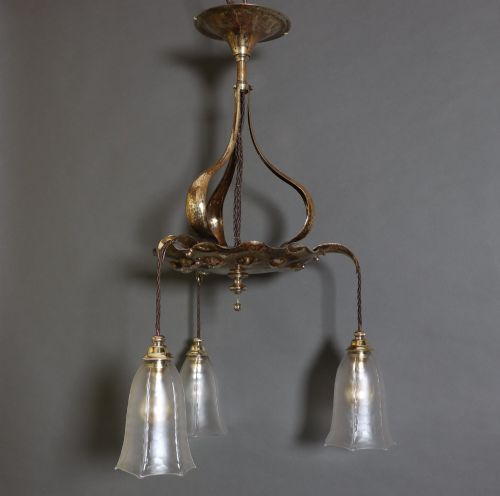
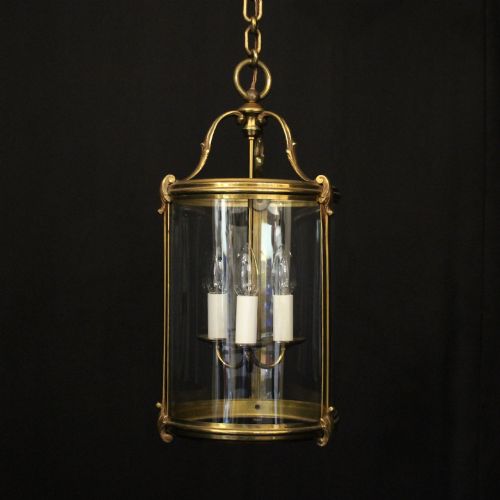
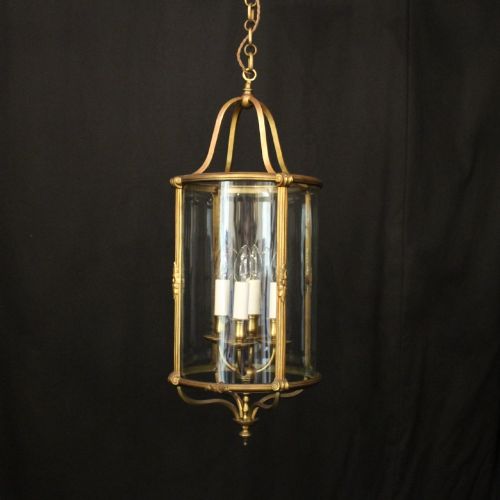
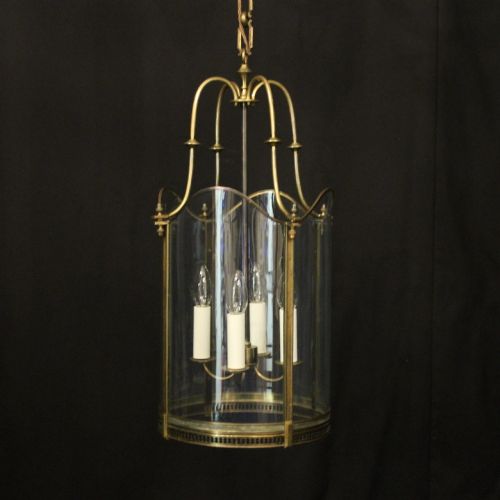
Antique Lantern Fixture
An antique lantern fixture brings focused illumination and architectural presence to a hallway, porch or high ceiling.
Antique Lantern Fixture
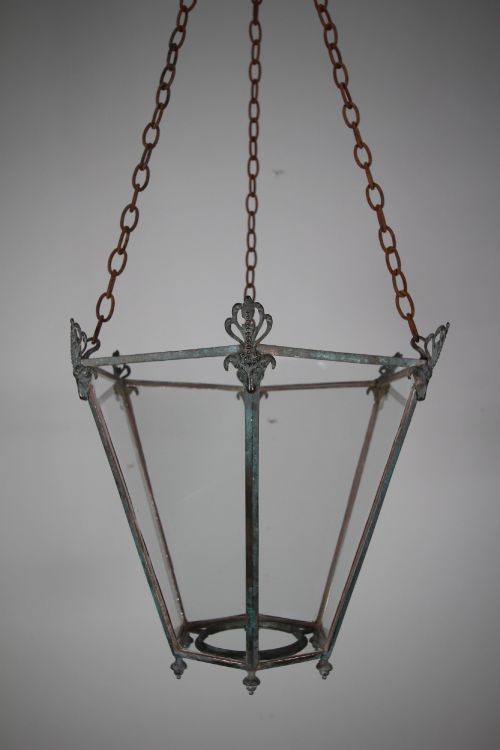
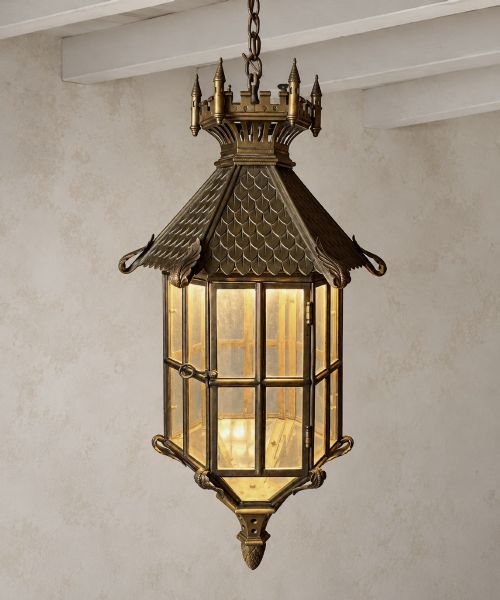
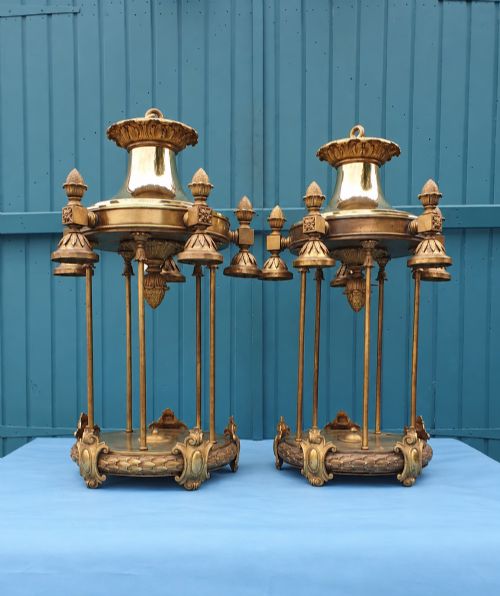
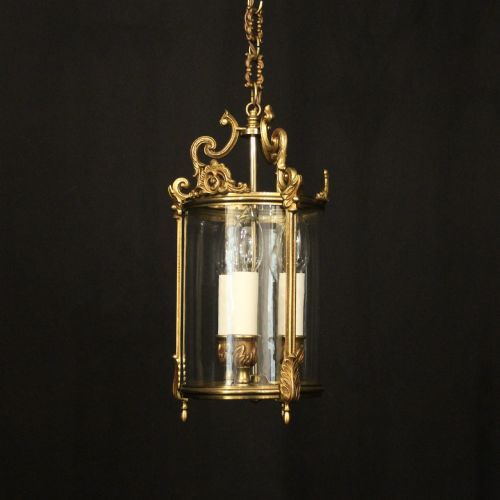
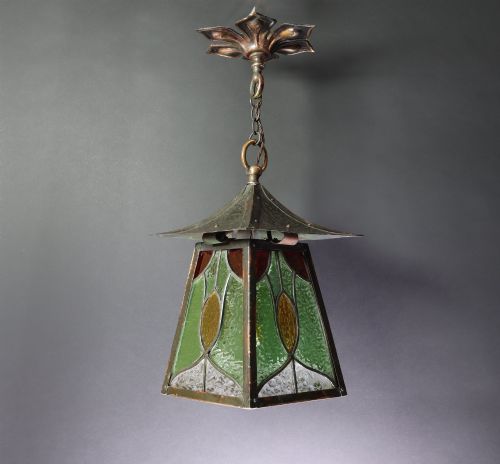
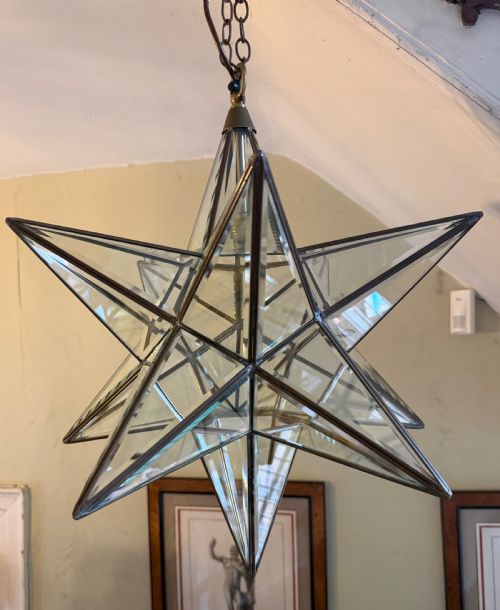
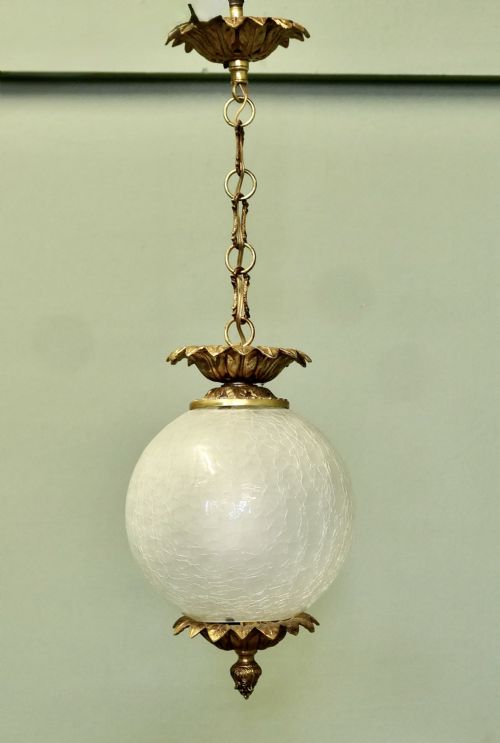
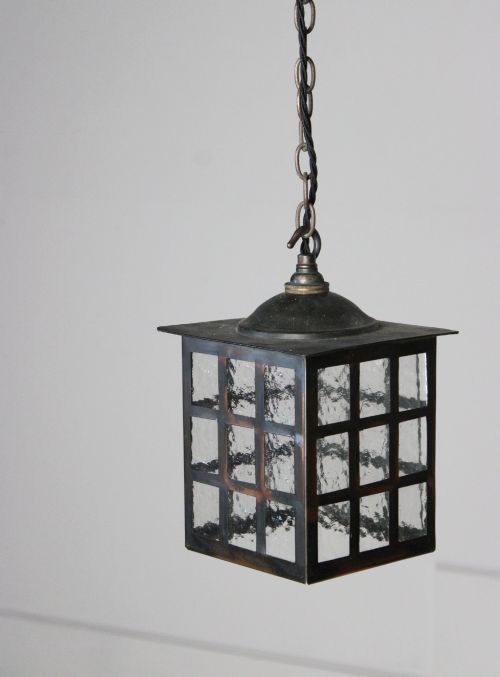
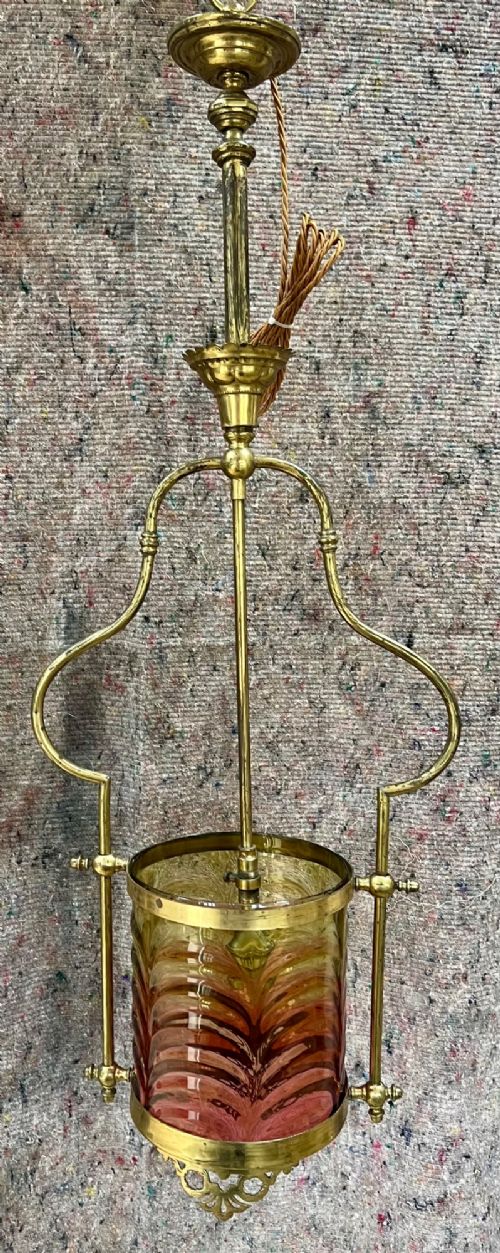
An antique lantern fixture is a hanging or wall-mounted luminaire enclosed in glass and metal, designed to distribute light while protecting the flame or bulb. Buyers seeking an antique lantern fixture encounter hanging hall lanterns, porch lights, and ceiling pendants originating from the nineteenth and early twentieth centuries.
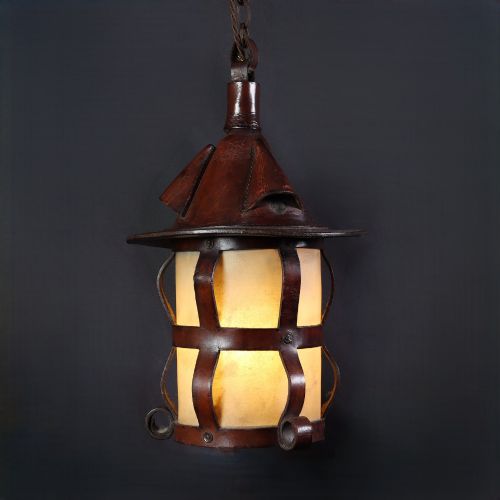
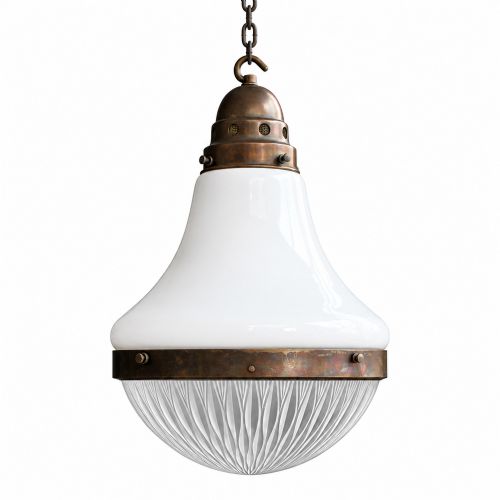
The materials and styles span Victorian and Edwardian brass frames, French gilded bronze designs, Arts and Crafts copper pieces, and Art Deco glass globes. English copper and brass examples sit alongside French chateau and neoclassical models.
Hexagonal, octagonal, and convex glass forms predominate, suspended by chains or fixed directly to wall brackets. These pieces serve as functional primary lighting in entranceways and stairwells.
Materials and construction methods
Frames are constructed from cast and sheet brass, copper, bronze, and gilt metal, holding panels of clear, bevelled, leaded, stained, or smoked glass. Metalwork joints are soldered, riveted, or screwed together by hand.
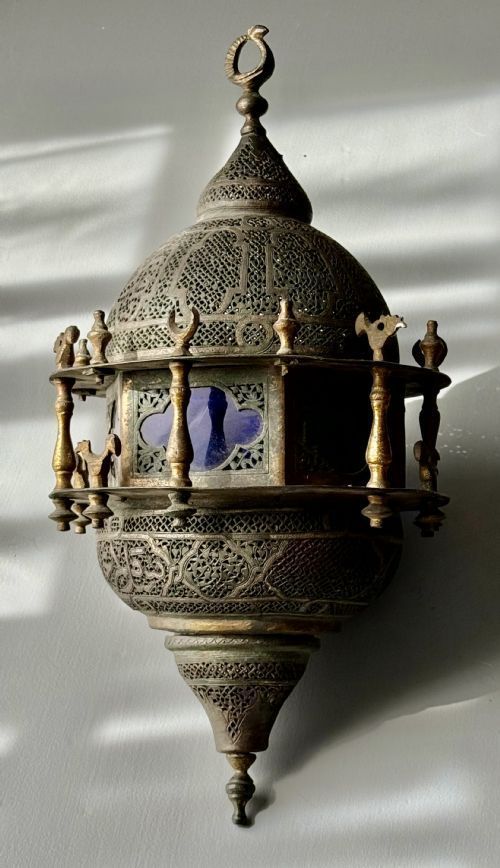
Specialised examples incorporate hand-stitched leather and vellum, pierced brass panels of Moorish inspiration, or toleware. Gilt finishes are applied to bronze and brass bases to enhance reflection from the internal light source.
Antique Lantern Fixture Retail Price Guide 2026
Typical asking prices for lantern fixture among the pieces listed under this phrase on Sellingantiques today, from the lower quarter to the upper quarter. They describe what is for sale here now, not the wider market.
Listings feature items dated from 1860 through the 1930s, encompassing Victorian, Edwardian, Art Deco, and Arts and Crafts movements.
Evaluating the standard of manufacture
Quality rests upon the weight of the metal frame and the clarity or complexity of the glass panels. Heavy cast bronze or thick brass frameworks with tight mitred glass joints represent superior production.
Hand-worked detailing, such as pierced fretwork on Moorish or neoclassical mounts and substantial hanging loops, distinguishes finer workshops from mass-produced utilitarian street or porch lights.
The Antique Lantern Fixture Glossary
- Convex glass
- Curved glass panels that project outward to diffuse light across a wider angle. They are frequently found on French hall lanterns.
- Bevelled glass
- Glass panes with angled edges that catch and refract light. This technique adds decorative sparkle to the fixture.
- Toleware
- Painted or enamelled sheet metal used for lantern bodies and shades. It offers colourful or dark matte finishes.
- Leaded glass
- Individual pieces of glass joined together by strips of lead. This method creates decorative windows within the lantern frame.
- Gilt bronze
- Bronze coated with a thin layer of gold or gold-coloured alloy. It provides a rich, durable surface finish on high-status frames.
Antique Lantern Fixture: Frequently Asked Questions
How do I hang a heavy hall lantern?
Suspension requires fixing directly into ceiling joists or using a rated structural hook capable of supporting the combined weight of the metal frame and glass panels. Wiring must pass securely through the hanging loop without taking the load.
Professional electrical installation ensures the fixture hangs level and meets current safety standards for overhead lighting.
Were these lanterns originally wired for electricity?
Most pieces dating from the nineteenth and early twentieth centuries were originally fuelled by candles, oil, or gas before being converted for modern electrical use. Conversions typically involve routing fabric flex through the existing central shaft.
Evidence of early burner fittings or candle pans often remains visible inside the metal housing.
How do I clean delicate glass panels?
Panels should be removed from the metal frame only if the tabs or fixings allow safe handling without bending the surrounding brass or copper. Mild soapy water and a soft cloth prevent scratching on antique leaded or bevelled surfaces.
Harsh chemical cleaners must be avoided to protect aged metal patinas and historical surface treatments.
What distinguishes French lanterns from English ones?
French pieces often display neoclassical or chateau styling with gilt bronze, decorative cast mounts, and convex glass shapes. English variants lean toward utilitarian copper, Arts and Crafts brasswork, or straightforward Victorian leaded designs.
Both national traditions utilise heavy metal framing, but the decorative vocabulary on the continent tends toward ornate symmetry.