




Antique Lamp Conversions
Antique lamp conversions are older lighting fittings and vessels adapted for electricity, bringing period weight and materials into modern interiors.
Antique Lamp Conversions
When someone searches for antique lamp conversions, they are looking at objects originally built for a different purpose, such as oil burning, candle holding or holding flowers, which have subsequently been wired for electricity. These pieces cross paths with interior schemes that require historical texture and physical presence rather than mass-produced uniformity.
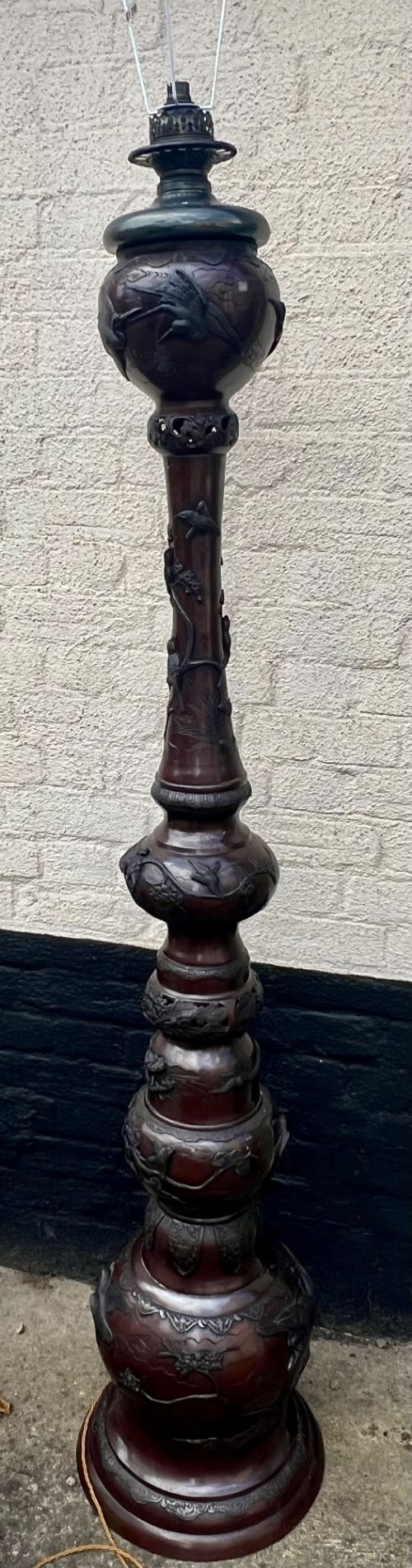
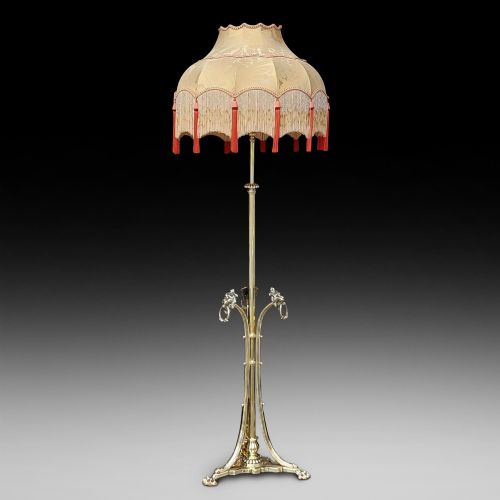
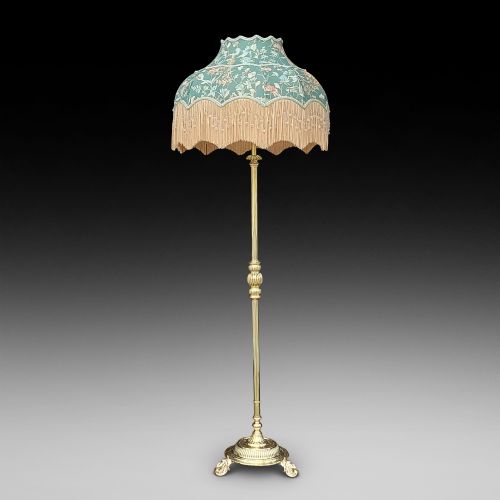
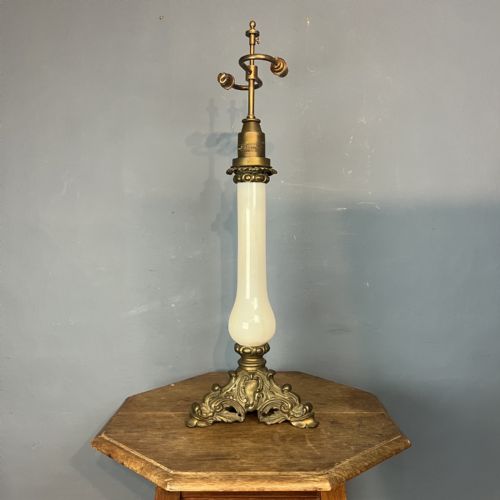
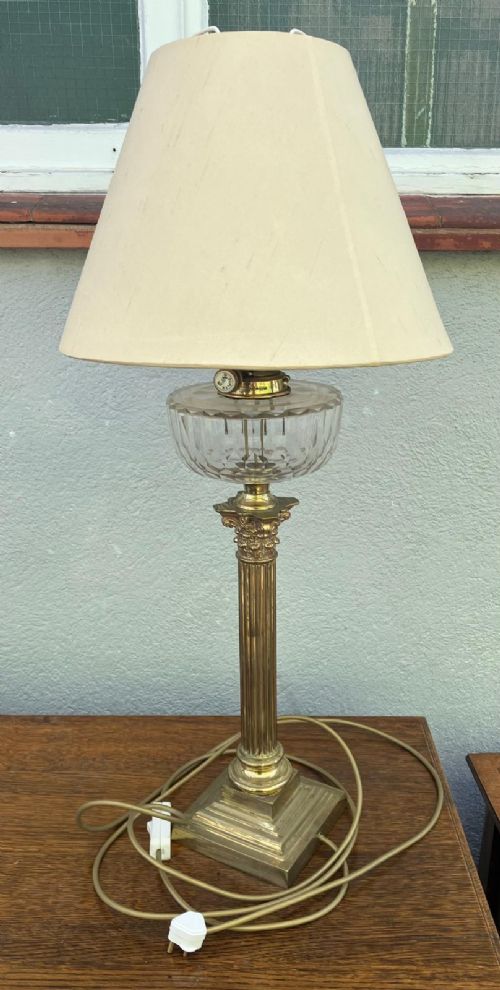
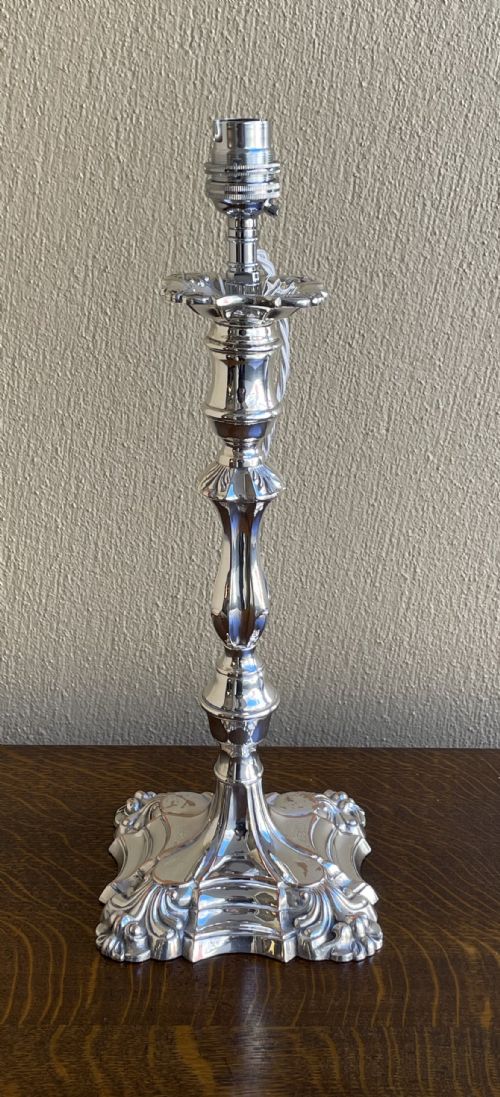
The versions most commonly met on this page stem from the nineteenth century and the Victorian era, spanning tall floor-standing standards and shorter table lamps. They often arrive from earlier oil lamps, church candlesticks, and decorative vases adapted to house modern wiring and bulbs.
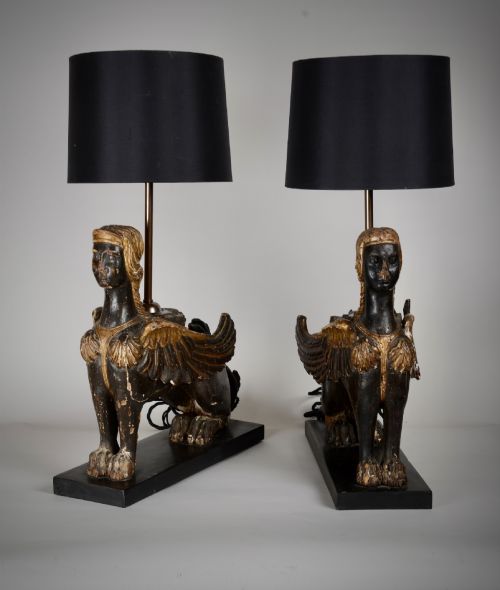
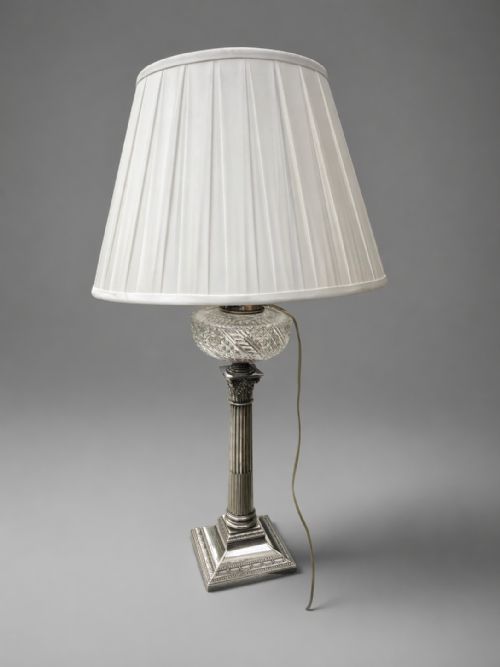
Materials such as heavy brass, bronze, opaline glass, and silver plate dominate the offerings, frequently taking the form of Corinthian columns, telescopic floor standards, or figural statuary. A buyer selects these items to introduce genuine period manufacture into a room while retaining modern electrical convenience.
Materials and construction
The physical build of these pieces relies heavily on cast and turned metals, particularly brass and bronze, combined with ceramic elements like faience or glass components such as opaline and cut glass reservoirs. Makers employed techniques like repoussé work, gilding, and silver plating to decorate structural surfaces.
Conversion work itself involves running electrical cable through previously solid or fluid-bearing interiors, adapting existing burners, or drilling bases to secure modern fittings safely. This process marries nineteenth-century metalworking, pottery production, and glassblowing with twentieth-century or later electrical adaptations.
Antique Lamp Conversions Retail Price Guide 2026
Typical asking prices for lamp conversions among the pieces listed under this phrase on Sellingantiques today, from the lower quarter to the upper quarter. They describe what is for sale here now, not the wider market.
Object forms span table lamps, floor lamps, vases, and column standards.
Assessing build and character
Quality in these conversions rests primarily on the substance and integrity of the original base object, whether it is a heavily cast brass Corinthian column or a finely painted faience vase. Superior examples display crisp chasing, substantial weight, and harmonious proportions that survive the wiring process without looking clumsy.
The execution of the conversion itself dictates how successfully the piece functions today, including stable mounting, secure threading, and wiring that respects the historic fabric. Pieces that retain maker stamps, such as patent markings, or utilise high-grade materials like ormolu and heavy-gauge bronze generally stand apart from simpler adaptations.
JOSEPH HINKS·Hinks·Mc Gary
The Antique Lamp Conversions Glossary
- Standard lamp
- A tall floor-standing lighting fixture designed to illuminate a room from a vertical post. These often feature telescopic adjustments to alter the height.
- Corinthian column
- A classical architectural order featuring an ornate capital decorated with acanthus leaves, frequently utilised for nineteenth-century brass and bronze table lamps.
- Opaline glass
- An opaque or translucent pale glass popular in the Victorian period, frequently utilised for lamp reservoirs and decorative bodies.
- Repoussé
- A metalworking technique where the metal is hammered from the reverse side to form a raised design in relief on the front.
- Faience
- Tin-glazed earthenware used for colourful decorative lamp bases, particularly notable in French and Art Nouveau designs.
Antique Lamp Conversions: Frequently Asked Questions
What is an antique lamp conversion?
An antique lamp conversion is an older decorative or functional object, such as an oil lamp, candlestick, or vase, that has been fitted with electrical wiring for modern use.
These pieces preserve historic craftsmanship while providing functional household lighting.
How do I date an antique lamp?
Dating relies on stylistic markers, manufacturing techniques, materials, and occasional maker stamps or patent marks found on the metalwork.
Victorian and nineteenth-century pieces often display characteristic neo-classical revival motifs, heavy brass casting, or specific burner mechanisms.
Where should I place a floor standard lamp?
Telescopic and standard floor lamps suit corners of living rooms or beside reading chairs where their height provides adequate downward illumination.
Their substantial metal or wooden bases require stable flooring and adequate clearance.