

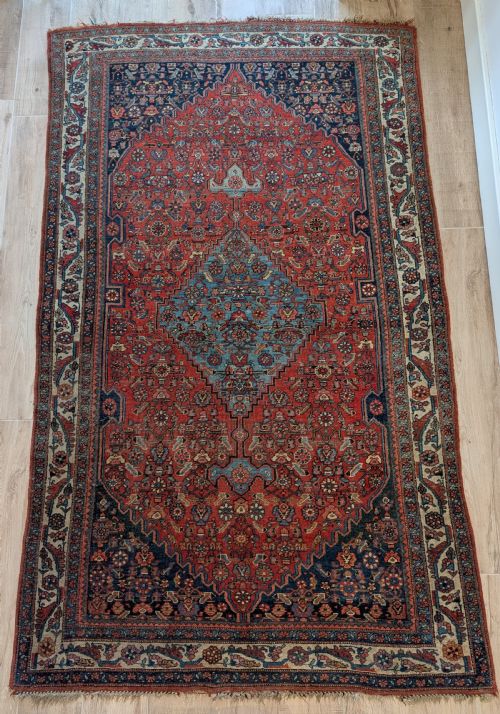
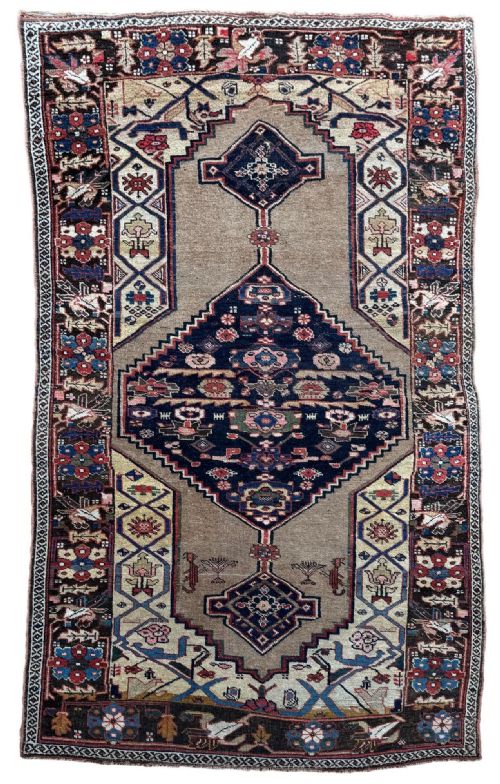


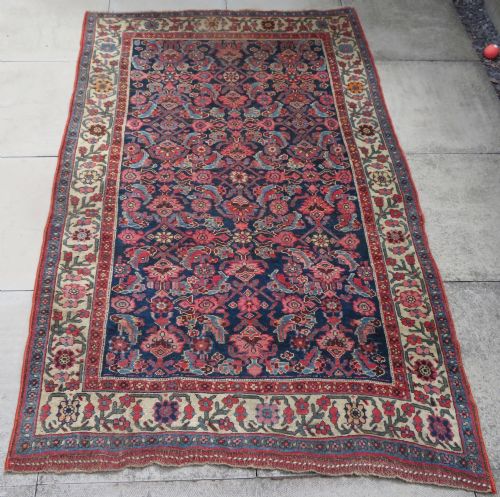


Antique Kurdish Bidjar Runner
These heavy, durable woven pieces are an antique kurdish bidjar runner, prized for their dense pile and tribal Persian character.
Antique Kurdish Bidjar Runner
An antique kurdish bidjar runner brings traditional Persian craftsmanship into a hallway or narrow space through robust village weaving. These elongated carpets originate from the Kurdish workshops and villages of the Bidjar region in Persia, created during the late nineteenth century.
The pieces listed on this page span from eighteen seventy to nineteen hundred, demonstrating the steady production of resilient floor coverings during this era. Buyers frequently encounter formats ranging from smaller long rugs to substantial kelleh carpets and traditional runners.
Categorised under styles such as Persian Tribal, Persian Bidjar, and Kurdish, these textiles reflect the distinct design vocabulary of their makers. The forms vary from intimate room-size rugs to long narrow paths designed for heavy foot traffic.
How they were made
The construction relies on a sturdy combination of wool and cotton, providing the substantial weight and rigid handle characteristic of the region. Weavers packed the foundation and pile tightly together to create a dense structure that resists wear over generations.
Traditional materials were sourced locally and hand-spun before dyeing, ensuring the deep, saturated tones remain steadfast. This methodical approach to carpet production yielded textiles renowned in the trade as the iron rugs of Persia.
Antique Kurdish Bidjar Runner Retail Price Guide 2026
Typical asking prices for kurdish bidjar runner among the pieces listed under this phrase on Sellingantiques today, from the lower quarter to the upper quarter. They describe what is for sale here now, not the wider market.
Every listed piece utilises wool and cotton, originating exclusively from the late nineteenth-century periods between eighteen seventy and nineteen hundred.
What varies in quality
The refinement of the drawing and the complexity of the tribal motifs set the superior examples apart from simpler village work. Finer knot density allows for crisper geometric or floral articulation across the field.
Condition and proportions also dictate the standing of a piece within the market, particularly given the heavy use these floor coverings endured. Original side cordings and intact end finishes preserve the integrity of the textile.
The Antique Kurdish Bidjar Runner Glossary
- Kelleh
- A large, elongated room carpet format, typically longer than a standard rug but wider than a runner. These substantial pieces served as central floor coverings in Persian homes.
- Bidjar
- A town and manufacturing region in western Iran known for exceptionally heavy, durable pile carpets. Weavers in this area developed a reputation for producing the iron rugs of the trade.
- Kurdish
- Pertaining to the ethnic groups inhabiting the mountainous regions of Persia who produced distinctive tribal textiles. Their work often incorporates bold geometric abstractions alongside traditional Persian motifs.
- Runner
- A long, narrow carpet format specifically proportioned for corridors, hallways, and staircases. These pieces protect high-traffic areas while displaying continuous pattern work.
Antique Kurdish Bidjar Runner: Frequently Asked Questions
What is an antique kurdish bidjar runner?
An antique kurdish bidjar runner is a hand-woven Persian floor covering produced by tribal weavers in the Bidjar region during the late nineteenth century. These textiles are characterised by heavy wool construction and resilient village designs.
They were built for durability, utilising dense packing techniques that earned them a reputation for longevity. Collectors value them for their robust structure and authentic tribal artistry.
Where were these runners made?
These runners were produced in the Kurdish villages and workshops surrounding the town of Bidjar in western Persia. This region has a long-established tradition of independent village and tribal weaving.
The local environment and access to materials influenced the heavy structures and distinct design repertoires employed by the weavers. Each piece reflects the specific aesthetic of the community where it was knotted.
How do I care for an old wool runner?
Care for a nineteenth-century wool runner requires regular, gentle vacuuming without a rotating brush bar to protect the pile. Professional cleaning by specialists in antique textiles ensures the natural fibres remain preserved.
Positioning the runner away from direct, harsh sunlight prevents uneven fading of the natural dyes. Using a quality underlay also reduces friction between the floorboards and the foundation.
How do I determine the age of a Bidjar rug?
Determining the age involves examining the structural materials, the characteristics of the wool, and the composition of the dyes. Pieces from the late nineteenth century typically display specific palette shifts and hand-spun textures.
Comparing the weave density and design motifs against documented examples from periods like eighteen seventy or nineteen hundred helps refine the dating. Experts also look at the wear patterns and edge treatments for clues about era.