

Antique Kitchen Pantry
An antique kitchen pantry is a utilitarian storage piece that brings honest period character and practical depth to a modern room.
Antique Kitchen Pantry
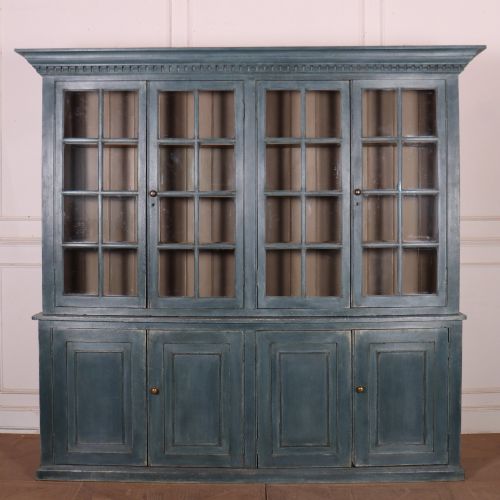
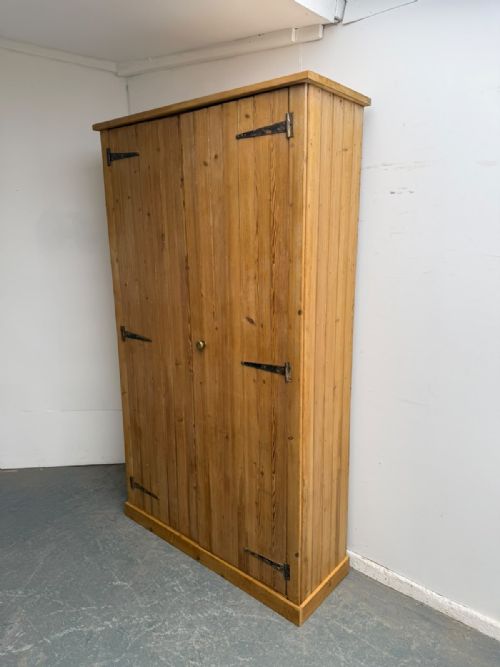
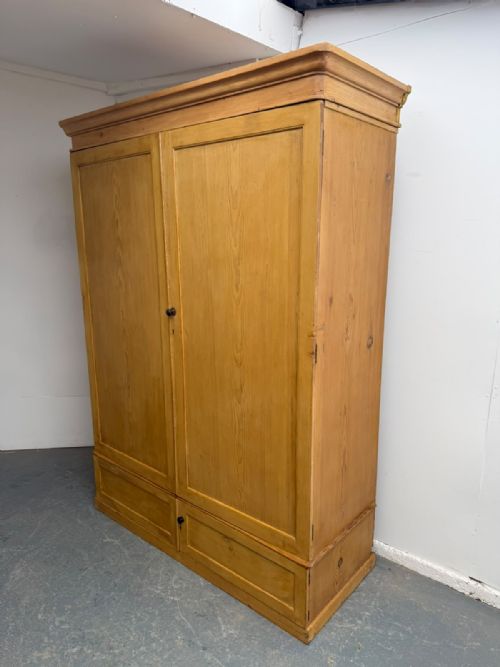
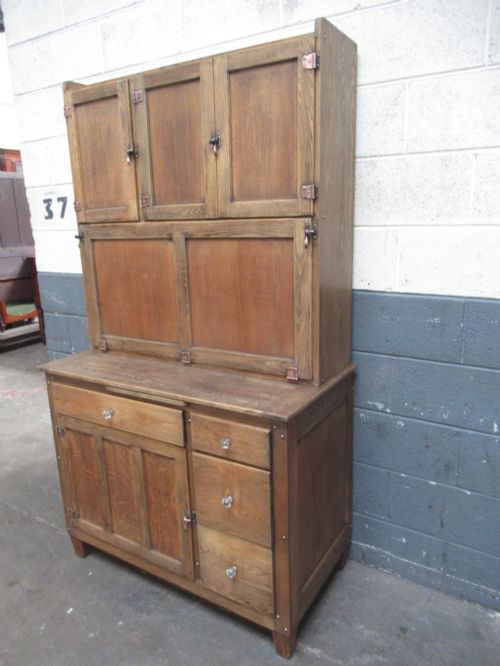
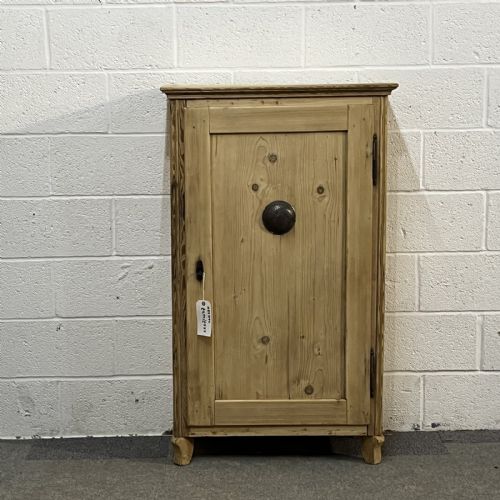
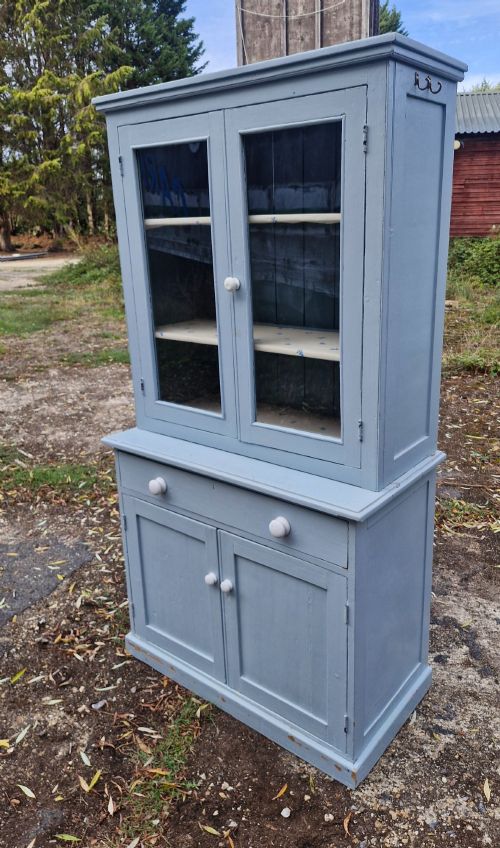
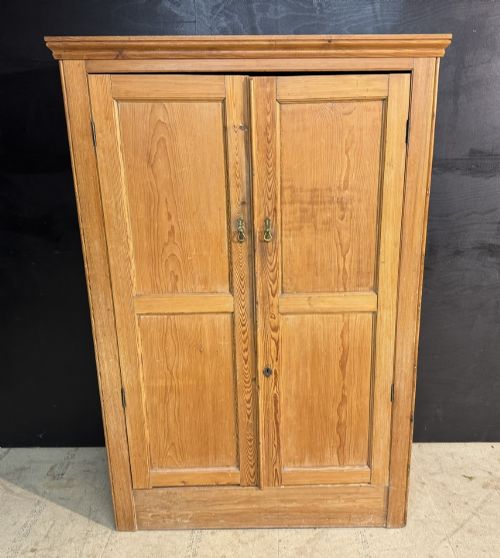
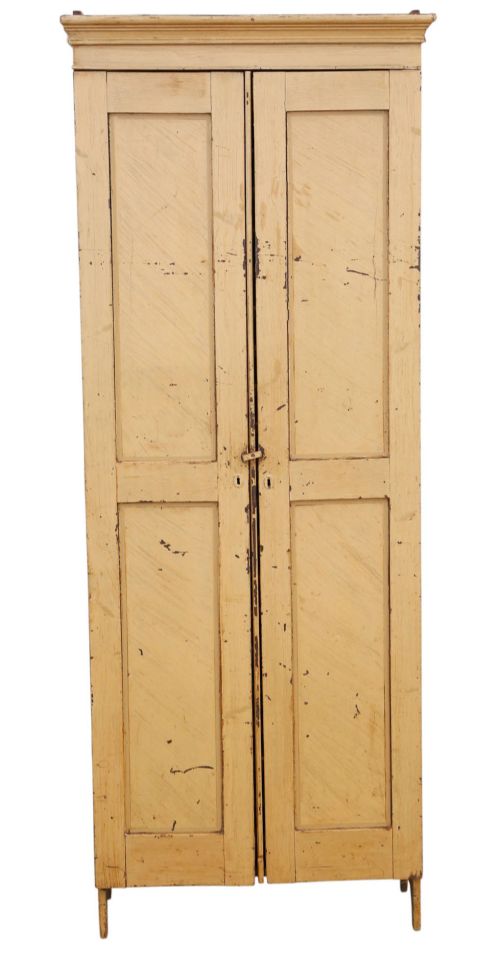
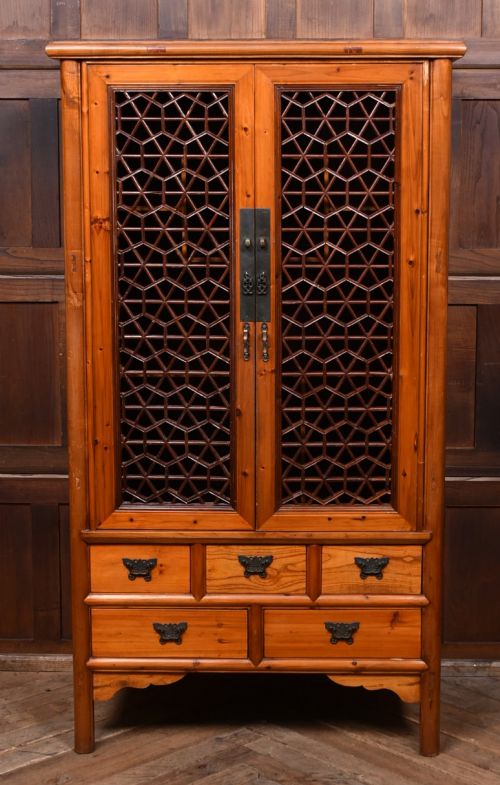
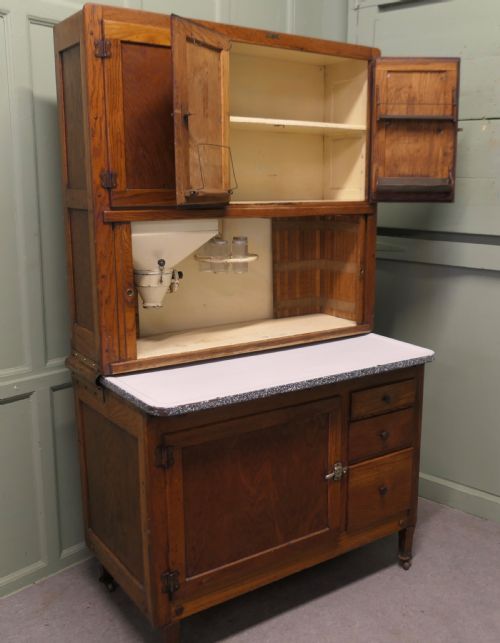
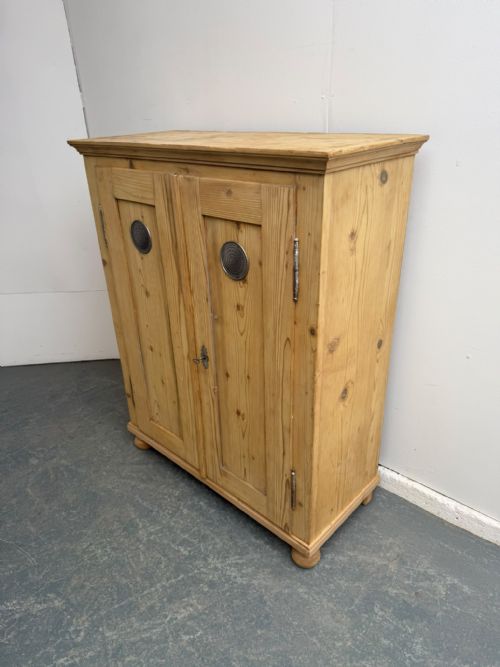
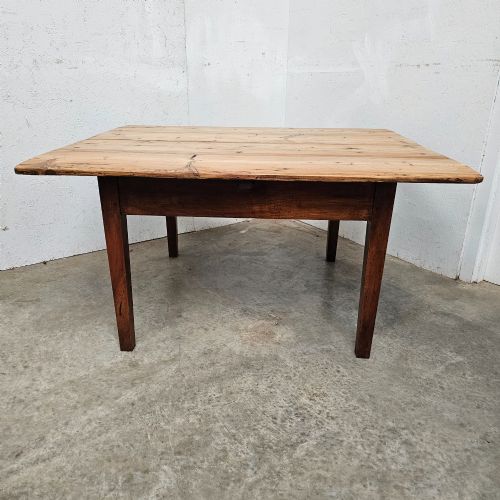
When you search for an antique kitchen pantry, you encounter large storage furniture built to hold provisions, dry goods and domestic equipment before fitted kitchens existed. The examples seen here range from utilitarian 18th-century Yorkshire housekeepers' cupboards to scrub-top pine pantry tables and 19th-century painted storage pieces.
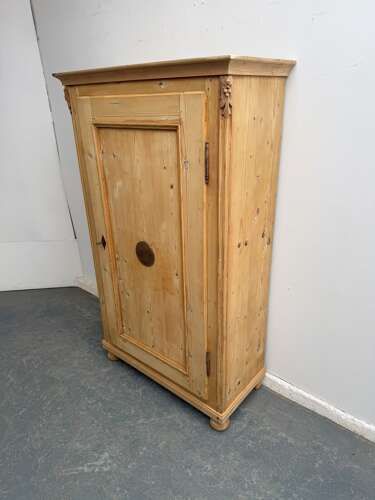
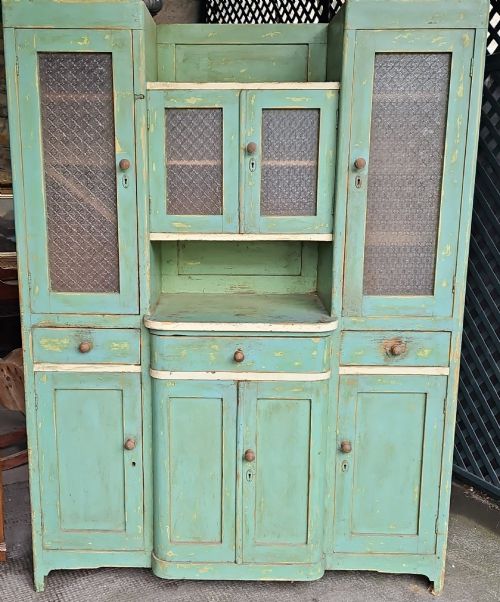
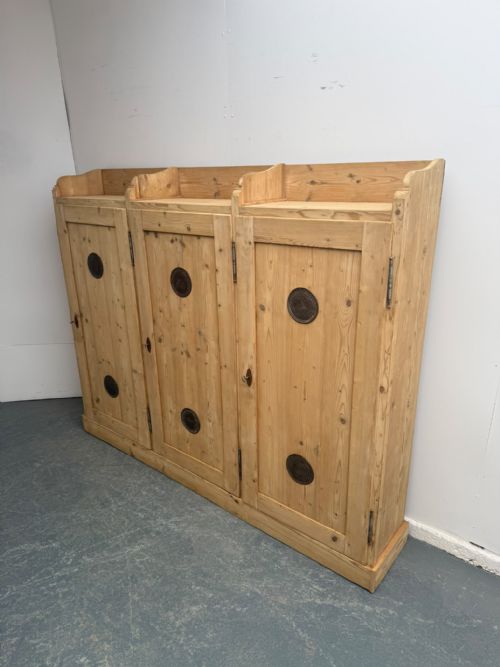
The version most commonly met on this page is the tall pine larder or housekeeper's cupboard, often featuring panelled doors, drawers and internal shelving designed for food storage. Alongside these stand smaller scrub-top fruitwood tables and specialised food cupboards with vented panels for air circulation.
Originating largely from English, Georgian and Victorian country workshops, these pieces carry the functional aesthetic of domestic service rooms and sculleries. They offer substantial upright storage with an earthy presence suited to contemporary kitchens and utility spaces.
How they were made
Construction relies heavily on solid pine, oak and fruitwood, chosen for their resilience in busy domestic environments. Many of these cupboards and tables utilise traditional pegged joinery, hand-planed panels and durable dovetailed drawers designed to withstand heavy daily use.
Surface treatments vary between bare timber intended for waxing, scrubbed wooden table tops suited to food preparation, and original or later painted finishes. Iron and brass hardware, from simple latches to hinges, secures the heavy doors while offering functional contrast to the timber.
Antique Kitchen Pantry Retail Price Guide 2026
Typical asking prices for kitchen pantry among the pieces listed under this phrase on Sellingantiques today, from the lower quarter to the upper quarter. They describe what is for sale here now, not the wider market.
Listings feature solid pine, oak, fruitwood and painted wood across 18th-century, Georgian and Victorian periods.
What varies in quality
Quality in these utility pieces lies in the integrity of the original construction, the thickness of the timber, and the survival of early or original paint surfaces. Pieces with untouched proportions, retaining their original backboards, brass or iron fittings and internal shelving, stand apart from heavily altered examples.
The distinction between a standard workshop piece and a finer housekeeper's cupboard often rests on architectural detailing, such as fielded door panels, well-executed cornices and balanced drawer arrangements. Regional vernacular pieces show varying degrees of joinery refinement, reflecting the skill of the local country maker.
Hudson Bros
The Antique Kitchen Pantry Glossary
- Housekeeper's cupboard
- A large storage piece traditionally used in country houses to store linens, dry goods and provisions. These tall cupboards often combine upper doors with lower banks of drawers.
- Larder cupboard
- A tall piece dedicated to food storage, frequently featuring vented panels or pierced tin inserts to allow air circulation around perishables. They are direct ancestors of the modern refrigerator.
- Scrub top
- A heavy wooden tabletop, often in fruitwood or pine, designed to be scrubbed clean with water and sand after food preparation. It shows the pale, weathered grain typical of active domestic kitchens.
- Bread and cheese cupboard
- A specialised regional food cupboard built with ventilated or wire-mesh doors to protect dairy and baked goods from pests while keeping them cool. These forms reflect rural self-sufficiency.
- Vented cupboard
- A storage cabinet featuring pierced tin, wire or slatted wooden panels in the doors to promote airflow. This ventilation was essential for preserving food before mechanical refrigeration.
Antique Kitchen Pantry: Frequently Asked Questions
What is an antique kitchen pantry?
An antique kitchen pantry is a freestanding piece of furniture, such as a larder or housekeeper's cupboard, built to store food, utensils and provisions before fitted kitchens existed.
These pieces originate mainly from the 18th and 19th centuries and were constructed by country joiners using durable timbers like pine and oak.
How were old food cupboards ventilated?
Many food and larder cupboards featured doors inset with pierced tin, wire mesh or slatted wooden panels to allow air to circulate around perishable items.
This ventilation prevented dampness and kept food fresh in an era before modern refrigeration.
Where were housekeeper's cupboards used?
Housekeeper's cupboards were traditionally kept in large country houses, situated in sculleries, pantries or service hallways where household provisions were managed.
They provided vast vertical storage for dry goods, linens and kitchen utensils.
How do I live with an antique pantry?
Antique pantries and larder cupboards work well in modern homes as statement storage pieces in kitchens, utility rooms or dining spaces.
Their deep shelves and generous interior capacity make them practical for storing modern kitchenware, dry goods or tableware while adding rustic period character.
How do I date a pine cupboard?
Dating a pine cupboard involves examining the construction methods, such as hand-cut dovetails in the drawers, the type of hinges used, and the style of the mouldings.
Earlier pieces from the 18th century often feature pegged frames and heavier timber, while Victorian examples tend to have machine-sawn components and standardised hardware.