






Antique Kitchen Pantry Cupboard
An antique kitchen pantry cupboard brings honest utility and timeless character to domestic spaces, offering generous storage built for daily provisions.
Antique Kitchen Pantry Cupboard
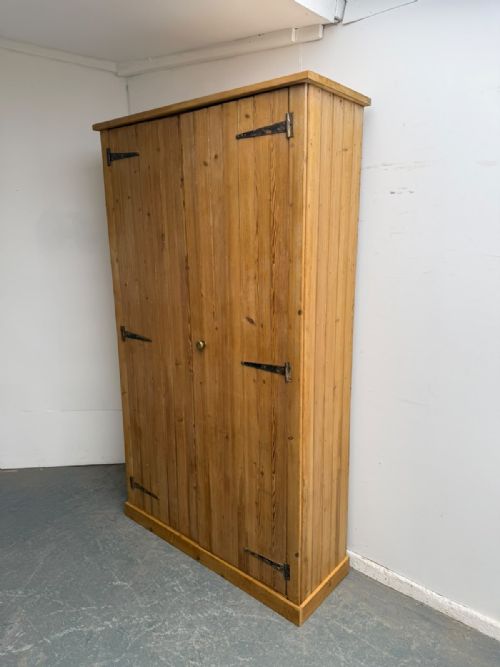
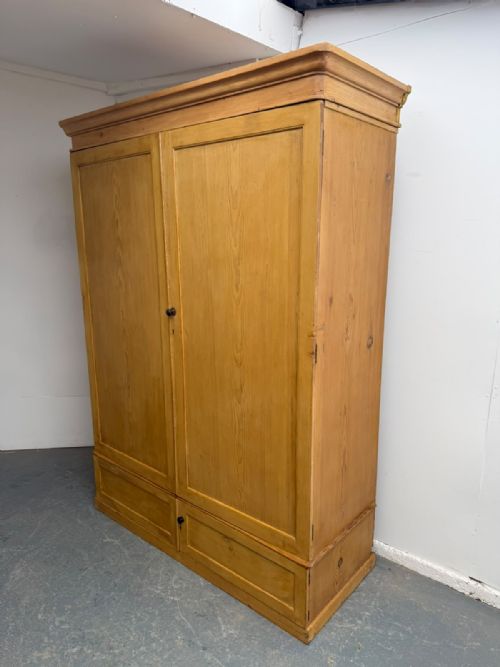
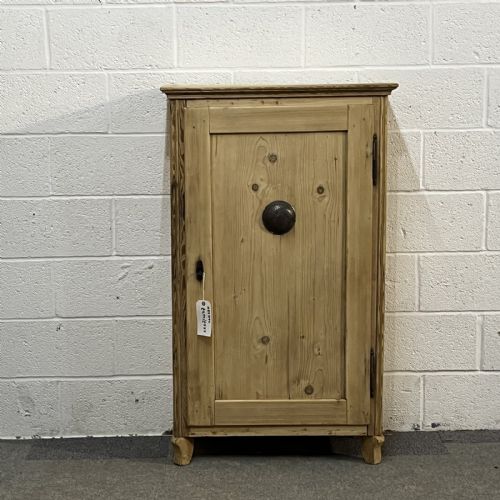
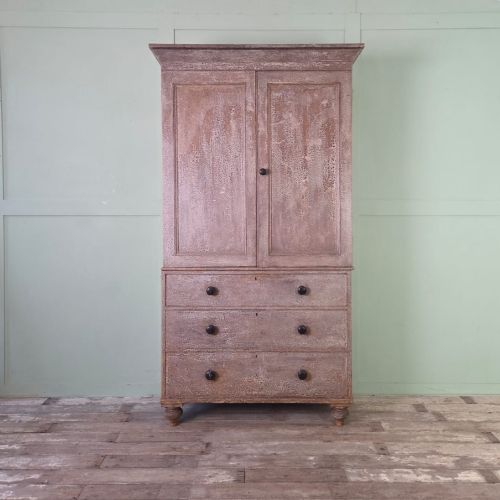
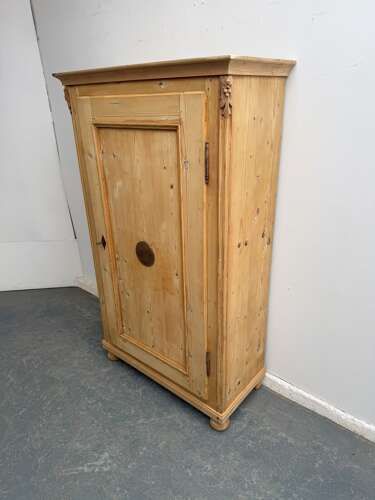
An antique kitchen pantry cupboard is a piece of utilitarian furniture designed for storing food, dry goods, and kitchen utensils. These items range from large housekeeper's cupboards to narrow storage cabinets and specialised larder cupboards.
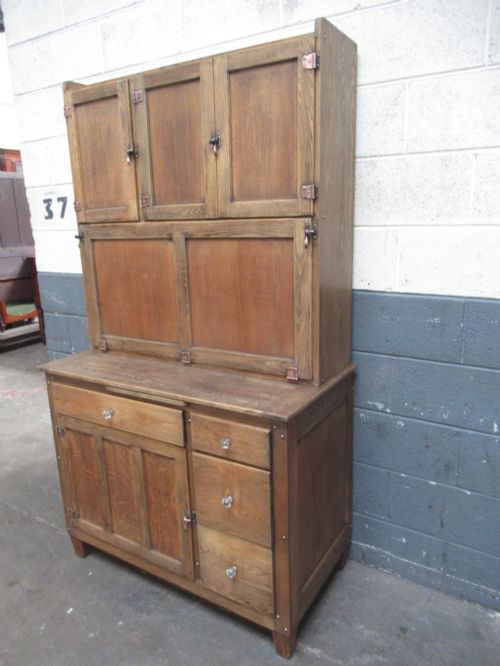
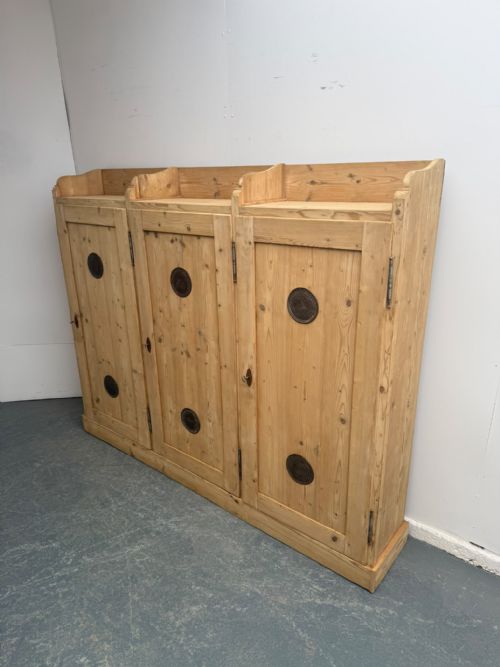
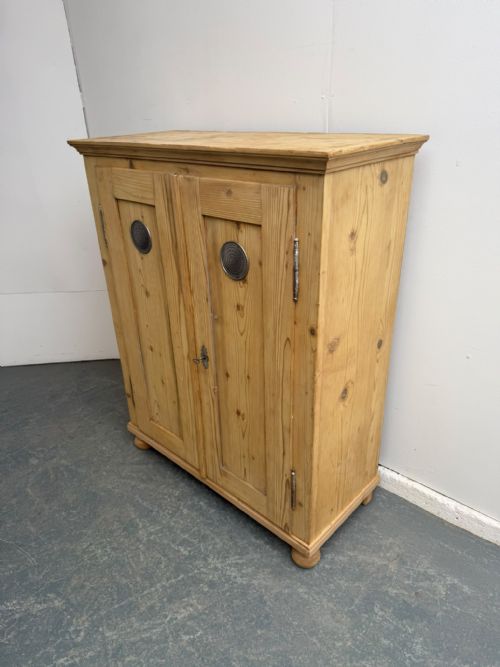
The pieces on this page heavily feature Victorian and 19th-century examples alongside earlier 18th-century and Georgian designs. Common forms include tall painted pine cupboards, oak cabinets, and vented designs meant to keep provisions fresh.
Originating mostly from English and country traditions, these items reflect the practical needs of past domestic life. Buyers often encounter versions with multiple doors, drawers, and original paint finishes.
How they were made
Makers relied principally on solid pine and oak, utilising sturdy timber construction to withstand heavy daily use in busy sculleries and kitchens. Surfaces were frequently left bare to be waxed or painted, while structural integrity relied on pegged joints and traditional carpentry.
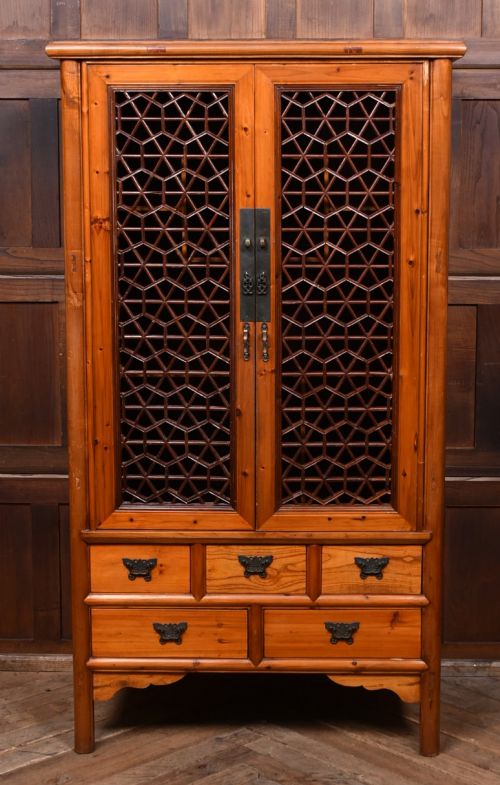
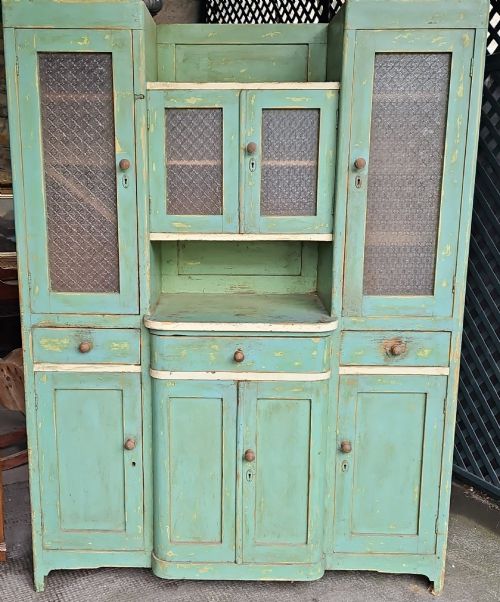
Iron and brass hardware such as hinges, latches, and pulls secured the doors and drawers on these utilitarian storage pieces. Vented panels incorporated wire mesh or pierced timber to allow air circulation for food storage.
Antique Kitchen Pantry Cupboard Retail Price Guide 2026
Typical asking prices for kitchen pantry cupboard among the pieces listed under this phrase on Sellingantiques today, from the lower quarter to the upper quarter. They describe what is for sale here now, not the wider market.
The listings span multiple centuries, ranging from 18th-century oak housekeeper's cupboards to Edwardian pine kitchen cabinets.
What varies in quality
Quality in these storage pieces depends heavily on the integrity of the original timber and the retention of early or original paint finishes. Pieces that retain their uncompromised structural proportions and authentic hardware sit at the higher end of the range.
The sophistication of the joinery and the presence of regional vernacular details also separate standard storage cabinets from finer housekeeper's cupboards. Well-balanced door proportions and original internal shelving dictate the overall desirability.
Hudson Bros
The Antique Kitchen Pantry Cupboard Glossary
- Housekeeper's cupboard
- A large storage piece traditionally used in substantial homes for storing linens, dry goods, and provisions. These often combine upper cupboards with lower banks of drawers.
- Larder cupboard
- A specialised storage cabinet designed for food preservation, frequently featuring ventilated doors or mesh panels to maintain airflow. They were essential before mechanical refrigeration.
- Bread and cheese cupboard
- A traditional regional storage furniture piece featuring perforated or vented panels specifically designed for keeping perishable dairy and baked goods cool. These items are closely tied to country domestic traditions.
- Hoosier cabinet
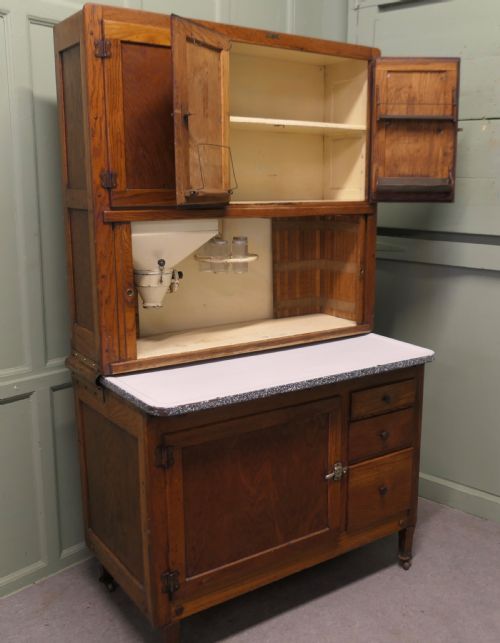
- An American kitchen cabinet designed to consolidate kitchen storage and workspace into a single unit. It typically incorporates flour sifters, spice jars, and specialised pull-down work surfaces.
- Vernacular furniture
- Domestic items made by local tradesmen using regional materials and traditional methods rather than following high-style academic designs. This category captures the practical character of country pine and oak cupboards.
Antique Kitchen Pantry Cupboard: Frequently Asked Questions
What is an antique kitchen pantry cupboard?
An antique kitchen pantry cupboard is a utilitarian storage piece built to hold food supplies, dry goods, and kitchen utensils in domestic settings.
These items date from the 18th century through the early 20th century, encompassing styles from Georgian country to Victorian farmhouse traditions.
How were pantry cupboards used originally?
These cupboards served as the primary storage vessels for foodstuffs, kitchenware, and household provisions before fitted kitchens existed.
Vented versions specifically helped keep perishable items like bread and cheese fresh by allowing air circulation through mesh or pierced panels.
How do I date an antique kitchen cupboard?
Dating relies on examining the construction methods, wood species, and hardware types used throughout the piece. Earlier 18th-century examples often feature pegged oak joinery, while Victorian pieces more commonly use solid pine and applied mouldings.
Can I use an antique pantry cupboard today?
These cupboards integrate smoothly into modern kitchens, pantries, or dining rooms as functional storage for tableware and dry goods.
Their deep shelves and generous door storage make them practical solutions for organising contemporary spaces while adding historic character.