



Antique Kitchen Elbow Chairs
These antique kitchen elbow chairs bring honest timber and solid vernacular form straight to the heart of the home.
Antique Kitchen Elbow Chairs
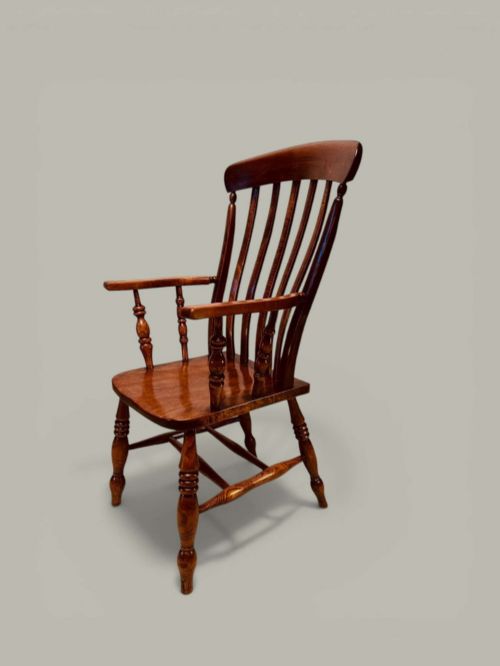
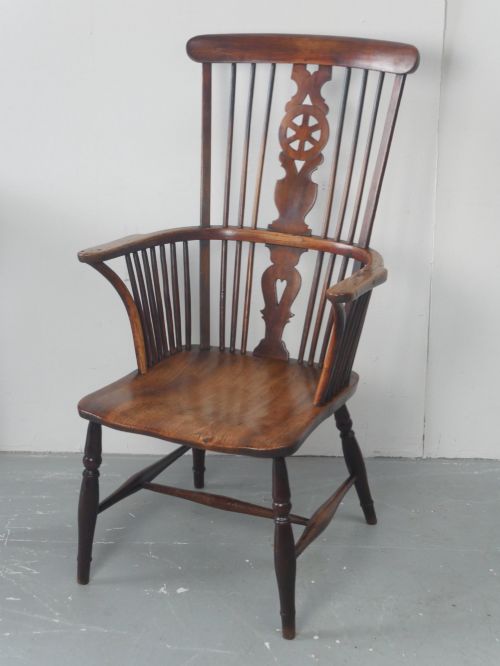
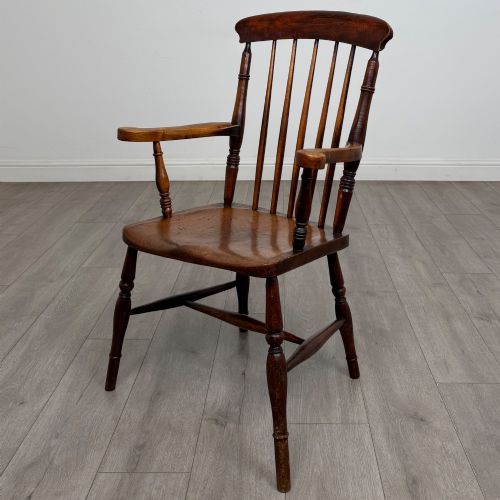
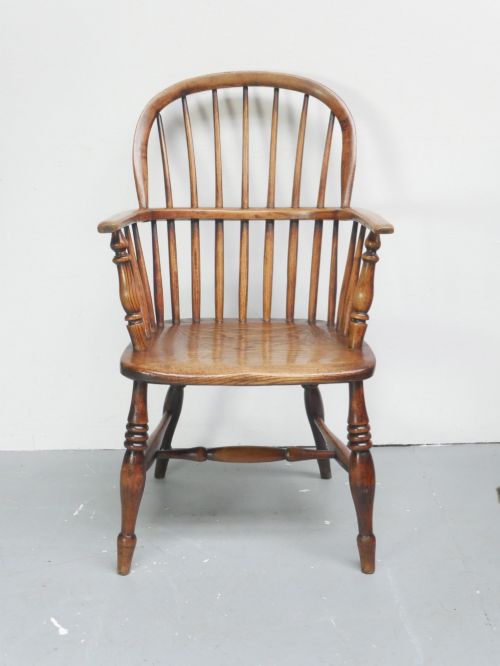
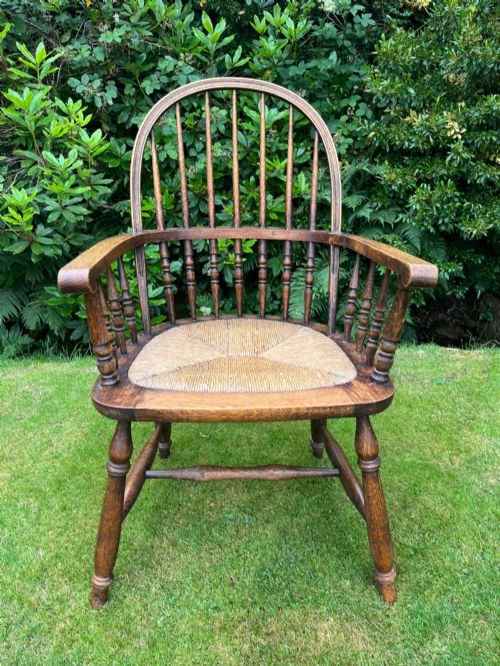
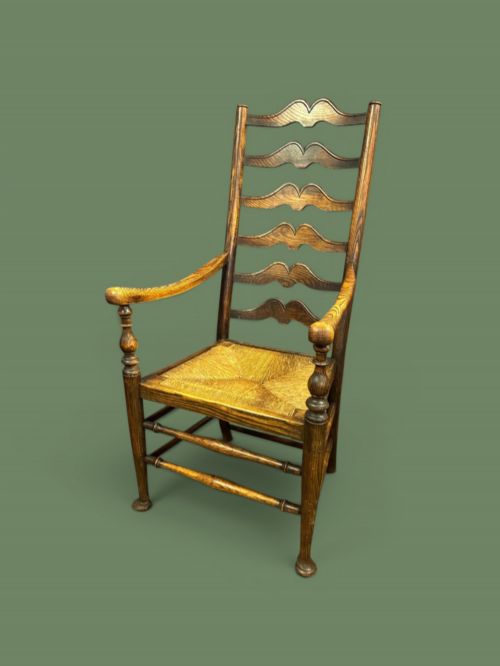
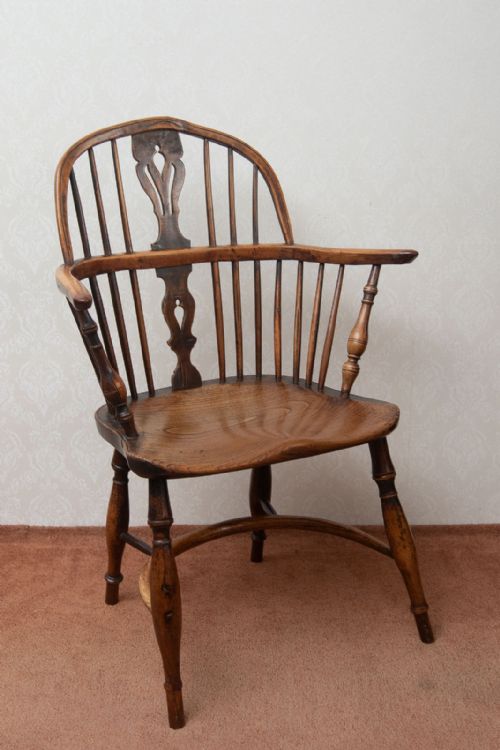
Antique kitchen elbow chairs are sturdy seating pieces designed for everyday domestic labour and fireside comfort in country houses and farmhouses. Buyers searching for antique kitchen elbow chairs usually encounter robust Windsor armchairs and vernacular carvers built for heavy daily use. The examples on this page span the nineteenth and early twentieth centuries, showing the practical forms that defined British country interiors.
Most pieces on this page emerge from regional vernacular traditions, often combining multiple timbers to serve specific structural needs. Forms range from low fireside carvers to extra tall Windsor farmhouse armchairs with deep seats and stick backs. These chairs combine generous proportions with simple joinery, offering a direct link to historical domestic life.
How they were made
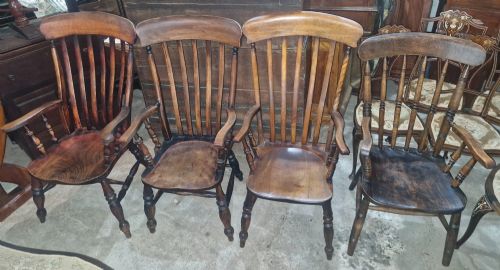
Cabinet makers and bodgers constructed these chairs using a combination of turned spindles and solid plank seats. Elm is frequently employed for the thick saddle seats because its interlocking grain resists splitting under pressure, while ash and beech provide strong steam-bent arms and slender back sticks. Oak also appears in heavier vernacular frames and harlequin dining sets.
Makers shaped the components by hand using traditional bodging techniques in woodland workshops before assembling the dried parts with wedges and through-tenons. Seats were often hollowed out with an adze or scorp to create a comfortable contoured dish. Some variants incorporate woven rush seating drops set directly into the timber frame.
Antique Kitchen Elbow Chairs Retail Price Guide 2026
Typical asking prices for kitchen elbow chairs among the pieces listed under this phrase on Sellingantiques today, from the lower quarter to the upper quarter. They describe what is for sale here now, not the wider market.
Deep saddle seats were hollowed out by hand so thoroughly that generations of quiet kitchen evenings left their physical mark in the timber.
What varies in quality
Quality in these chairs rests upon the balance of the timber selection and the integrity of the original construction. A superior piece exhibits well-matched contrasting woods, such as an elm seat paired with ash or yew spindles, retaining crisp turnings and deep patination. Heavy use often led to replacement parts over the decades, so the presence of untouched original wedged joints elevates a piece.
Proportion and scale also dictate desirability among country furniture enthusiasts. Neat Scottish examples or extra tall farmhouse variants demonstrate deliberate regional tailoring that distinguishes standard utility items from finer vernacular work. The depth of the seat dish and the elegance of the steam-bent arm bow show the maker's skill.
The Antique Kitchen Elbow Chairs Glossary
- Windsor chair
- A chair built with a solid wooden seat into which the legs and back sticks are tenoned directly. This construction method creates a sturdy, rigid frame without relying on a bulky underframe.
- Stick back
- A chair back composed of simple turned or cleft wooden spindles socketed into the seat and top rail. This design distributes weight evenly and provides reliable support.
- Vernacular
- Objects designed and built by local craftsmen using regional materials and traditional methods rather than adhering to formal high-style design rules. These pieces reflect local practical needs and available timbers.
- Harlequin set
- A collection of seating pieces that match in general style and era but differ slightly in minor details, turning, or timber tone. Such sets often accumulated in country kitchens over many years.
- Broad arm
- An armchair featuring wide, flat wooden armrests designed to hold utensils, books, or hands close to the fire. This feature is common on heavy farmhouse and fireside seating.
Antique Kitchen Elbow Chairs: Frequently Asked Questions
What woods were used for antique kitchen elbow chairs?
Makers selected native British hardwoods based on the specific stress each part of the chair would endure. Elm was chosen for seats because its twisted grain prevents cracking, while ash and beech provided flexible strength for spindles and arms.
Oak and yew also appear in regional pieces, offering distinctive grain patterns and exceptional durability. Harlequin sets often combine oak and beech across several coordinating carvers.
Where were these chairs made?
Country chairs were produced across rural Britain by local craftsmen and woodland-based bodgers who supplied regional markets. Different regions developed distinct styles, such as neat Scottish armchairs or tall farmhouse variants.
Craftsmen utilised whichever timber grew abundantly in their immediate locality, which explains the variety of woods found within individual chairs.
How do I care for an elm and ash armchair?
Maintain the timber by keeping the chair away from direct heat sources and sudden temperature shifts that can dry out old wood. Regular applications of suitable wax help nourish the surface and preserve the historic patination.
Avoid excessive moisture and check the wedged joints periodically to ensure the structure remains stable during daily use.