



Antique Kitchen Decor
Antique kitchen decor brings functional culinary history into modern rooms through tactile materials like copper, wood, and marble.
Antique Kitchen Decor
Antique kitchen decor encompasses utilitarian culinary objects and culinary-themed art spanning the eighteenth century through the mid-twentieth century. Buyers searching this phrase encounter copper moulds, dairy vessels, kitchenware, and still life oil paintings.
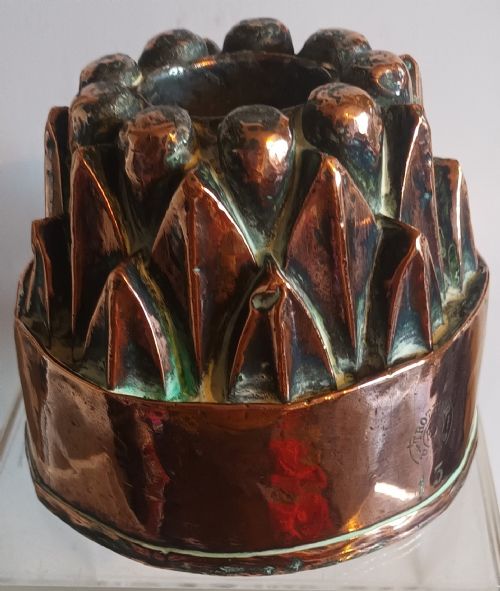
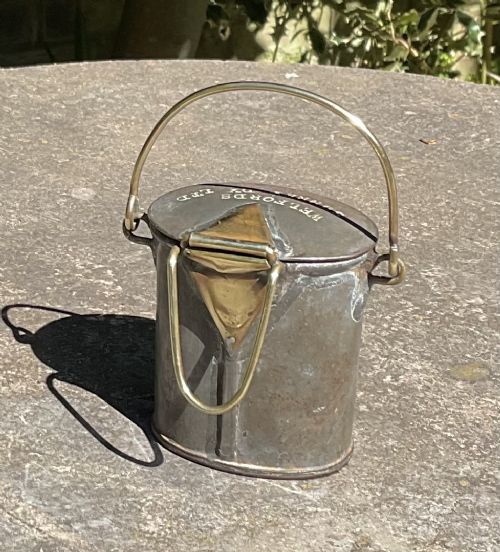
The pieces on this page lean heavily toward nineteenth-century Victorian items alongside select Georgian and eighteenth-century forms. Common domestic survivals include copper pans, brass cream skimmers, earthenware jelly moulds, and tin tea canisters.
Beyond traditional cookware, the category extends to decorative elements such as painted wall signs, dairy bowls, and oil paintings depicting fruit. These items reflect both the working spaces of historic kitchens and the display pieces collected in later periods.
How these pieces were made
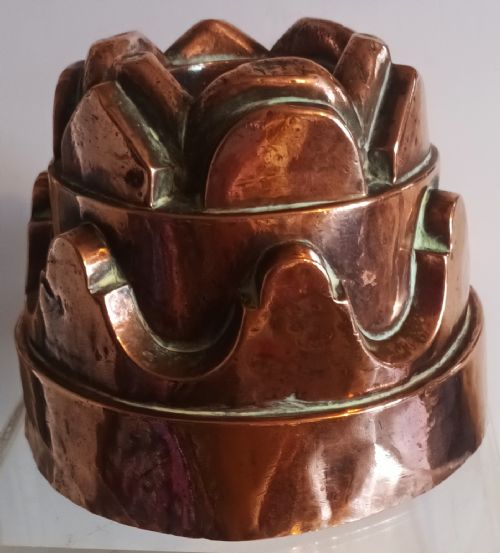
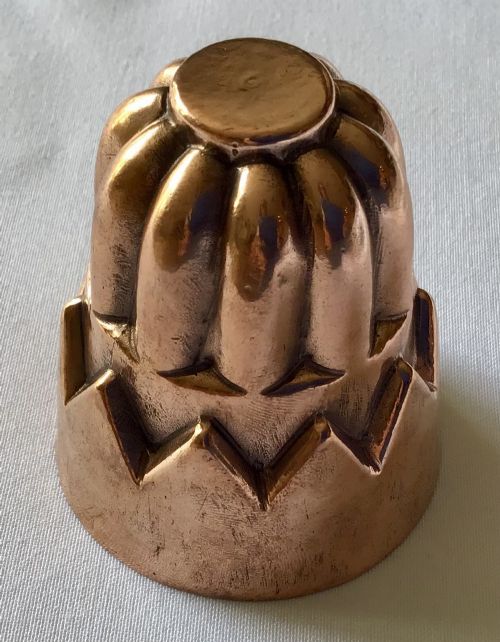
Metal items rely on heavy hammering, casting, and soldering, visible in the thick walls of Georgian copper jugs and Victorian kitchen moulds. Coopers shaped wooden dairy bowls from sycamore and carved oak using traditional turning and joinery techniques.
Potters formed earthenware jelly moulds and stoneware vessels using regional clays, often impressing specific decorative motifs like grapes and vines into the damp paste. Toleware tea tins and metal wall signs combine painted surfaces with folded sheet metal construction.
What separates the finest pieces
Quality in metalware rests on the weight of the material and the crispness of the hand-beaten or cast details. Heavy-gauge copper retains its structural integrity better than thin sheets, while deeply chased brass and pewter show sharper definition in maker marks and decorative motifs.
Earthenware moulds succeed when the moulded design remains distinct and unsoftened by excessive use or poor kiln placement. In oil paintings, the subtlety of the brushwork and the naturalism of the fruit or subject matter distinguish superior decorative canvases from standard workshop output.
Vincent Clare·Wedgwood·Dixon And Son·Trottier
The Antique Kitchen Decor Glossary
- Toleware
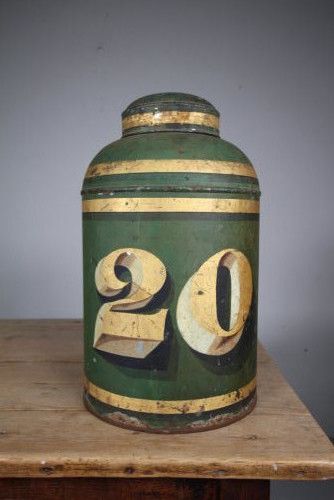
- Lacquered or enamelled metalware, usually tinplate, decorated with painted scenes or floral motifs. It was popular in the eighteenth and nineteenth centuries for domestic storage.
- Oeufrier
- A specialised French cooking vessel designed for poaching or boiling eggs. These metal pans often feature fitted interior racks for individual eggs.
- Jersey Can
- A tall, narrow metal pouring vessel used in dairy production for transporting or skimming milk. They typically feature heavy handles and spouts.
- Jasper Ware
- A type of fine stoneware developed by Josiah Wedgwood, characterised by a matte surface and contrasting raised white clay reliefs against a coloured background.
Antique Kitchen Decor: Frequently Asked Questions
What is antique kitchen decor?
Antique kitchen decor comprises historic culinary tools, storage vessels, and food-themed artwork produced for domestic use before the mid-twentieth century. These items include copper cookware, earthenware moulds, and dairy equipment.
Collectors display these functional objects today for their honest craftsmanship and tactile materials like heavy copper, turned wood, and aged brass.
How do I date a copper kitchen mould?
Dating copper moulds involves examining the method of construction, such as whether the seams are dovetailed, brazed, or hand-beaten. Heavier gauge metal and simpler, utilitarian forms often indicate earlier eighteenth or early nineteenth-century origins.
Maker stamps, imperial capacity marks, and the presence of tin linings also provide clues to the approximate decade of manufacture.
What were antique jelly moulds made from?
Antique jelly moulds appear in heavy-gauge copper, tin, and various glazed or unglazed earthenware bodies. Copper moulds conduct heat evenly for setting, while ceramic versions display intricate relief patterns on the interior.
Victorian kitchens utilised both metal and ceramic variants depending on whether the jelly required cooling on ice or baking.
How were dairy bowls used?
Wooden dairy bowls, often turned from sycamore, served as shallow vats where fresh milk could settle so the cream would rise to the surface. The wide, open shape maximised the surface area for skimming.
These bowls sat on dairy shelves in domestic farmhouses before being replaced by metal separator technology in the late nineteenth century.