




Antique Kerman Weaving
These antique kerman weaving pieces are dense South Persian textiles created by nomadic tribes and regional makers.
Antique Kerman Weaving
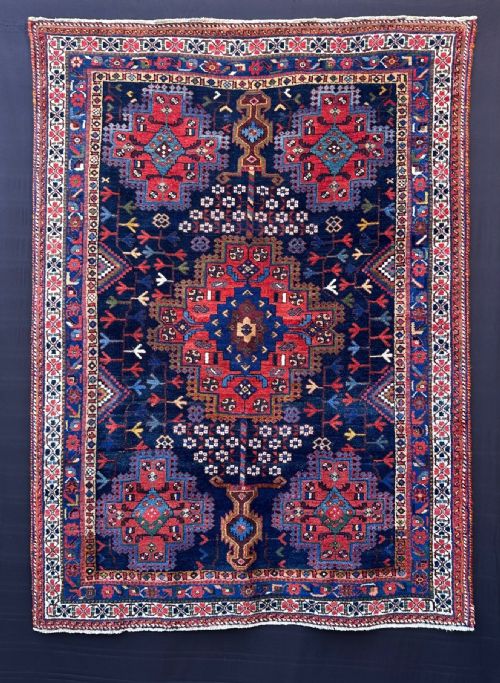
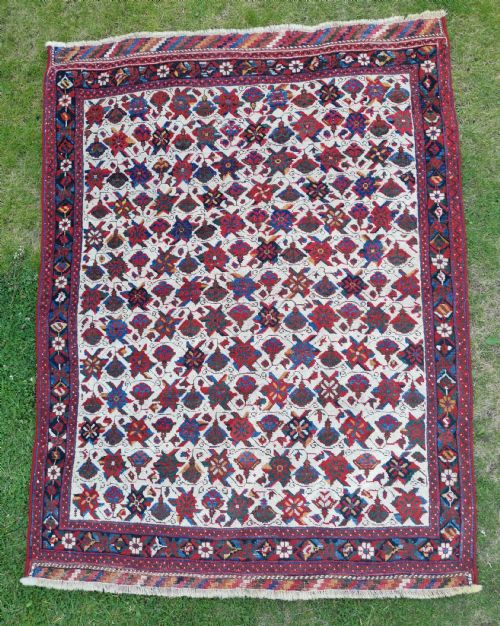
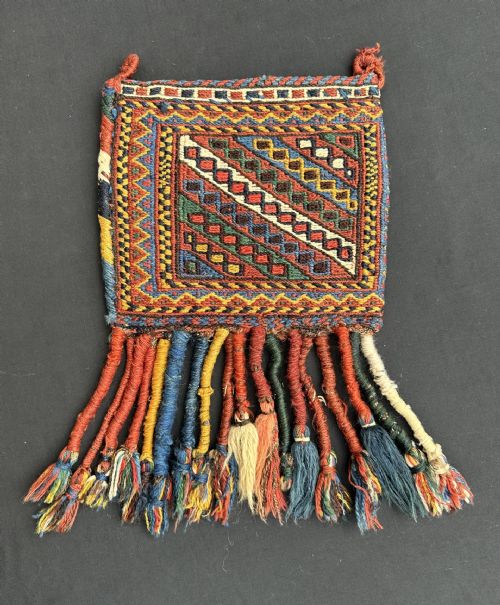
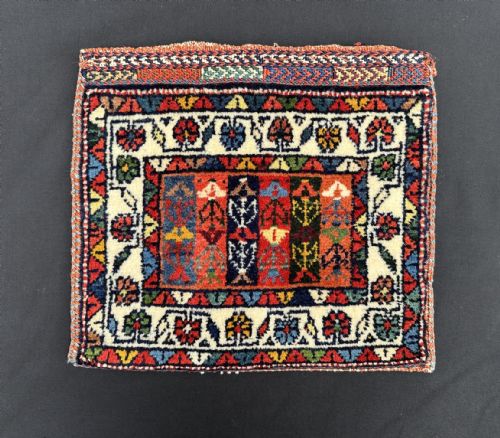
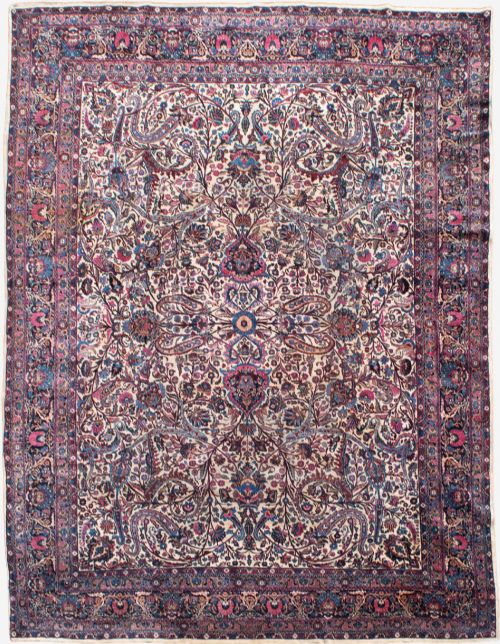
When you search for antique kerman weaving, you encounter a distinct group of South Persian rugs, carpets, and nomadic storage pieces originating from the Kerman Province. These works range from large room-size carpets to small tribal bags created by regional groups such as the Afshar.
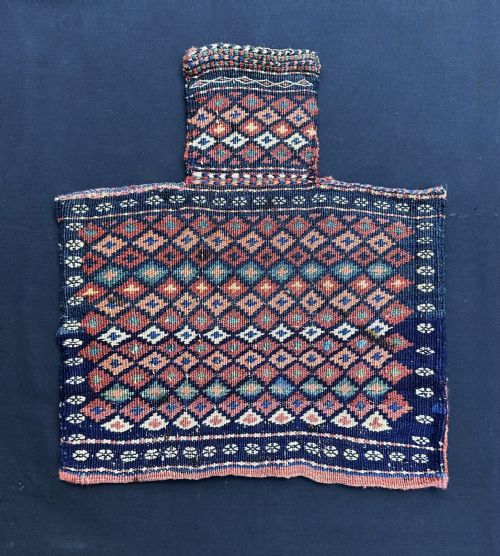
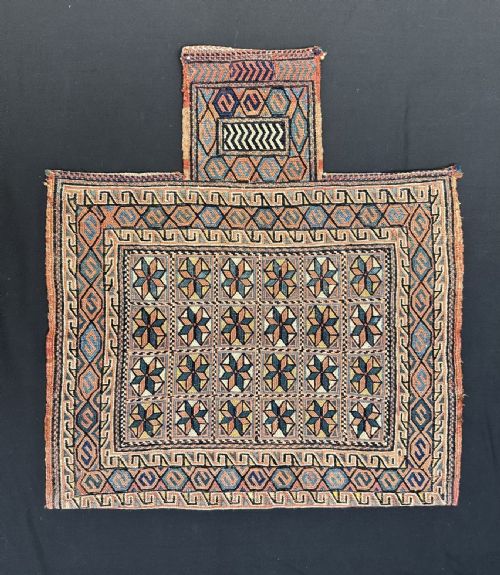
The objects most frequently met on this page include utilitarian storage pouches, vanity bags, flatweave bread sofreh cloths, and floor rugs. Many originate from specific localities within the province, including the Bardsir region, Neiriz, and the Jebal Barez mountains.
What varies in quality
The finesse of the knotting and the density of the wool foundation distinguish finer room-size carpets from coarser nomadic utility items. Greater precision in the repeat floral or tribal geometric designs indicates a higher standard of workshop or tribal production.
The preservation of natural dyes and the integrity of the original edges and selvedges heavily influence the overall character of each piece. Items retaining complete cowrie shell embellishments or intact utilitarian structures demonstrate superior surviving condition.
Antique Kerman Weaving Retail Price Guide 2026
Typical asking prices for kerman weaving among the pieces listed under this phrase on Sellingantiques today, from the lower quarter to the upper quarter. They describe what is for sale here now, not the wider market.
Several antique vanity bags include cowrie shells stitched directly into the wool, giving nomadic weavers a tactile touch of the sea.
The Antique Kerman Weaving Glossary
- Sofreh
- A woven cloth used for dining, food preparation, or bread storage among nomadic tribes. These flatweave textiles often display geometric tribal motifs.
- Soumak
- A flatweaving technique that wraps supplementary weft threads around the warp to create a durable, textured surface. It appears frequently on tribal bags and rugs from the region.
- Boteh
- A recurring almond-shaped floral motif symbolising life and eternity. It forms the primary pattern in several regional carpets and rugs.
- Lavart
- A descriptor associated with fine Kerman carpets known for delicate floral compositions and soft colour palettes. These pieces typically display exceptional weave density.
- Half-Saddlebag Face
- The surviving front panel of a utilitarian animal bag separated from its reverse. Collectors prize these fragments for their concentrated tribal designs.
Antique Kerman Weaving: Frequently Asked Questions
What is a bread sofreh?
A bread sofreh is a flatweave textile utilised by nomadic groups for preparing and wrapping bread. Families spread these cloths on the ground during meals.
Over time, surviving examples have transitioned from utilitarian household objects into decorative wall hangings and collector items.
How do I care for a tribal bag?
Keep these textiles out of direct sunlight to protect the natural dyes from fading. Gentle vacuuming without a rotating brush prevents dust accumulation within the wool pile.
Avoid placing heavy furniture over small tribal bags and vanity pouches to preserve their structural integrity.
How are rugs and carpets distinguished?
Rugs generally refer to smaller floor coverings, mats, or nomadic pieces that measure under room size. Carpets designate larger format textiles designed to cover an entire room floor.
Both categories share similar wool and cotton material foundations within this regional tradition.