
Antique Keepsake Casket
An antique keepsake casket holds small treasures and personal valuables, bringing historic craftsmanship and tactile charm to a dressing table or desk.
Antique Keepsake Casket
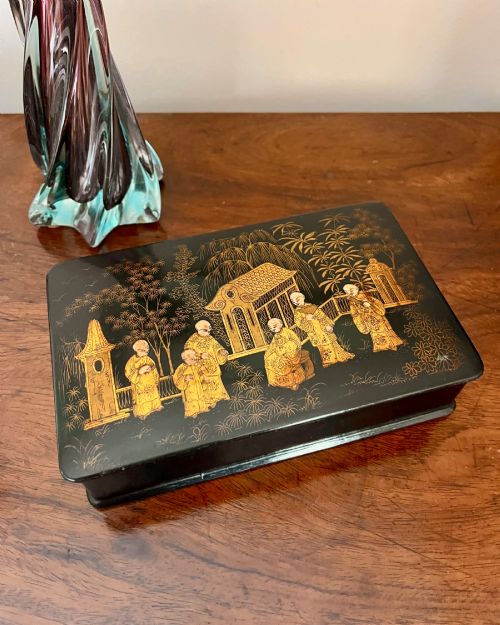
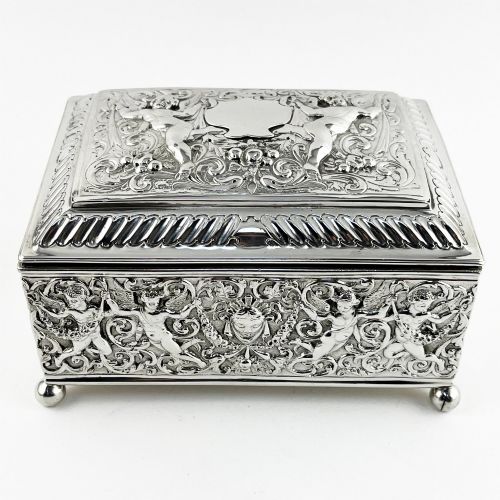
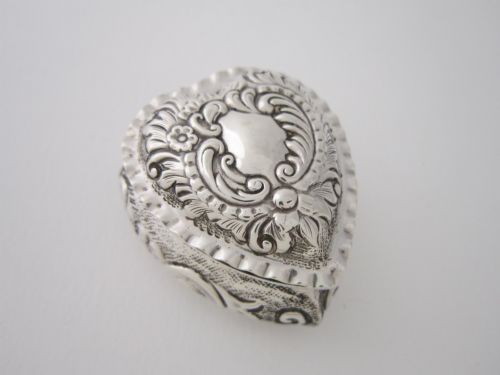
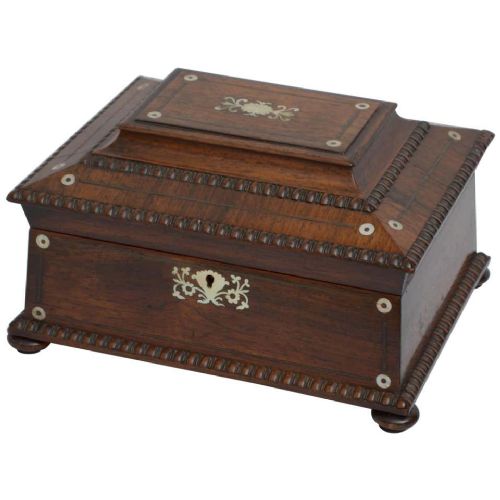
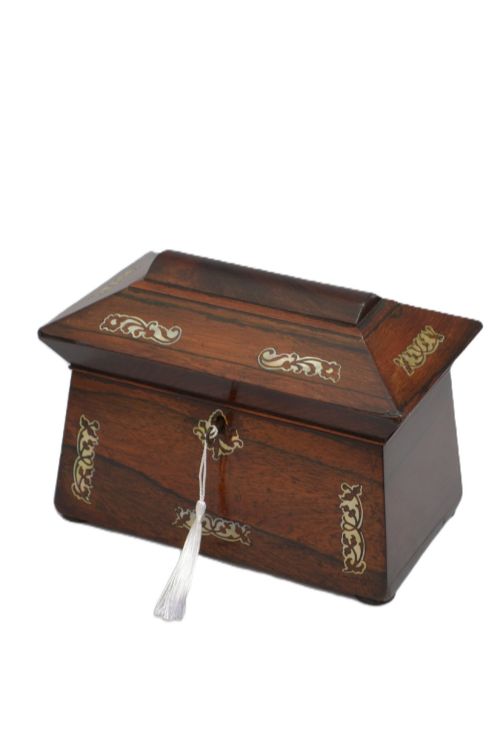
An antique keepsake casket encompasses small receptacles designed for storing jewellery, trinkets, and letters, spanning periods from the late seventeenth century through the Victorian era and into the early twentieth century. These objects appear in various forms, including jewellery boxes, trinket boxes, and work boxes, reflecting the domestic habits of past centuries.
How they were made
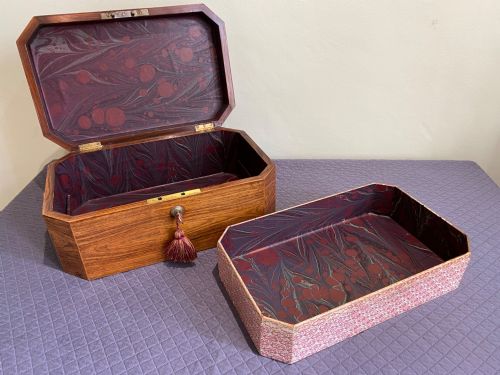
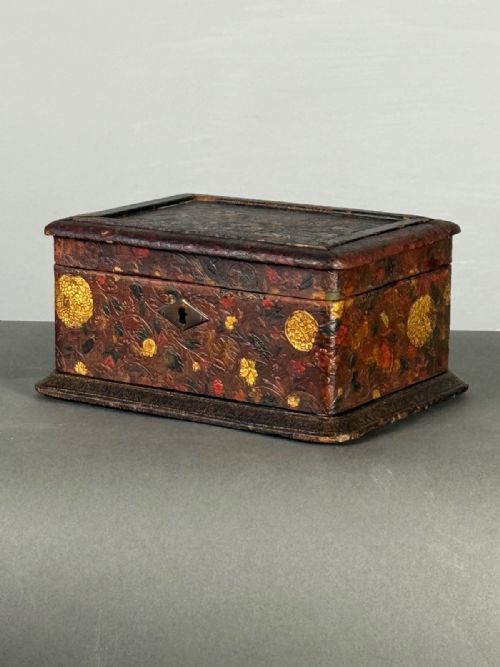
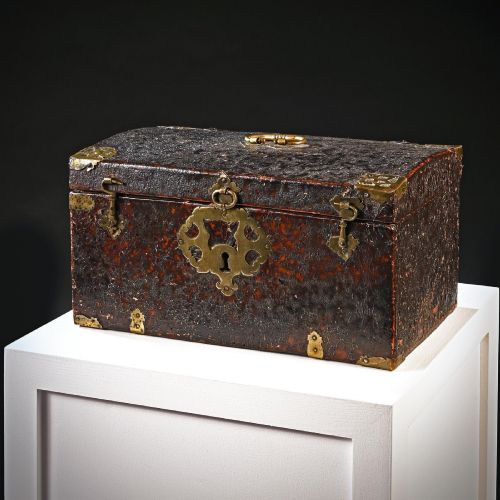
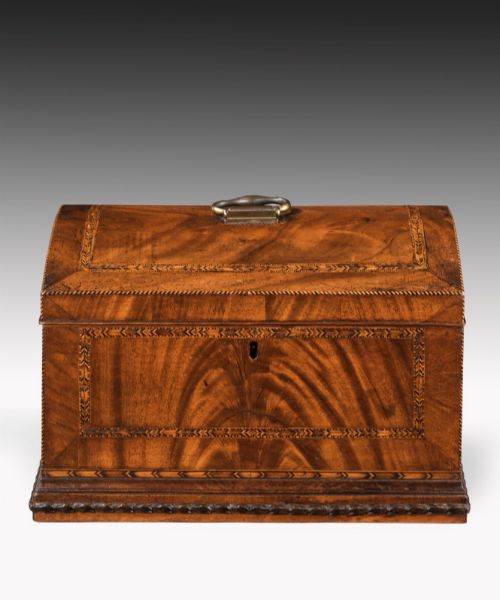
Craftsmen utilised traditional cabinet-making techniques to build wooden carcasses from rosewood, burr walnut, and mahogany, frequently incorporating marquetry, Tunbridge ware, or metal inlays into the surface. Leather caskets relied on skilled tooling, often complemented by brass mounts, corner brackets, or rosette-shaped appliqués fixed securely to the exterior.
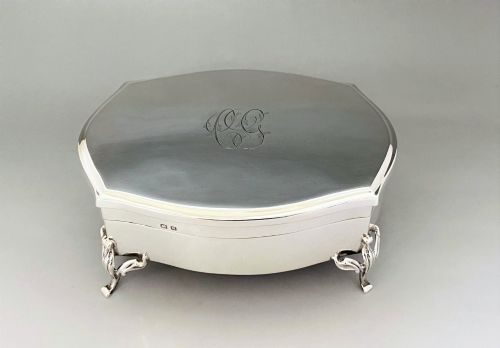
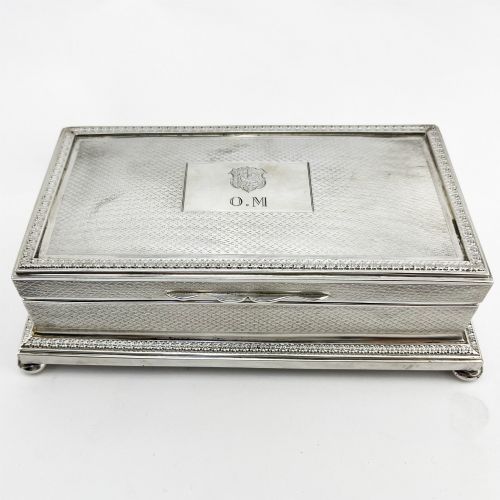
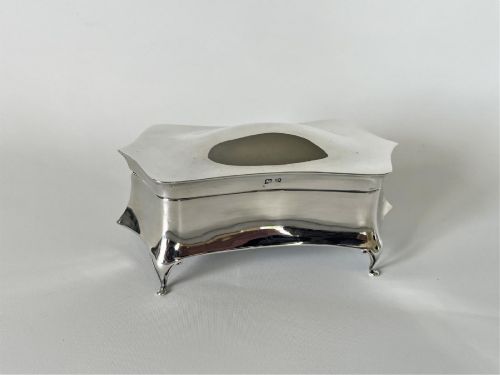
Silver boxes involved smithing and stamping methods, sometimes incorporating tortoiseshell panels, enamel cabochons, or silk and velvet linings tailored to hold rings, cufflinks, and keepsakes. Ormolu mounts and gesso decoration added ornamental detail to French and English caskets during the nineteenth century.
Materials span sterling silver, rosewood, burr walnut, leather, and mother-of-pearl across periods from the seventeenth century to the twentieth century.
What varies in quality
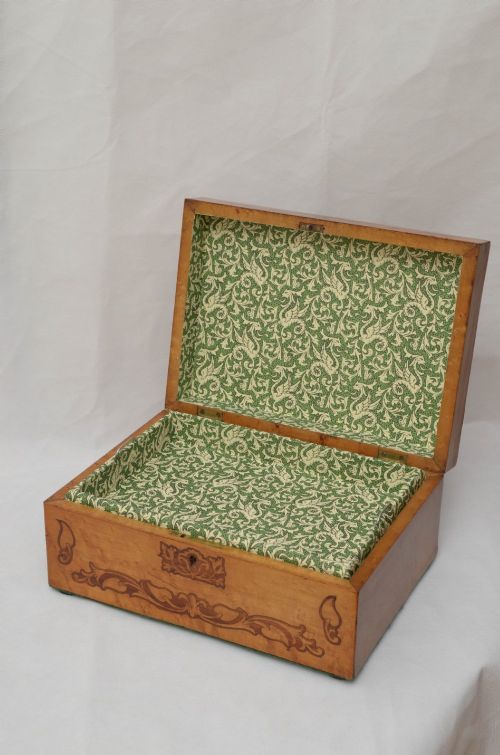
The calibre of an antique keepsake casket depends upon the precision of its joinery, the complexity of its inlays, and the integrity of its internal fittings. Superior examples retain original velvet linings, functional locks with working keys, and meticulously matched wood veneers such as bird's-eye maple or burr walnut.
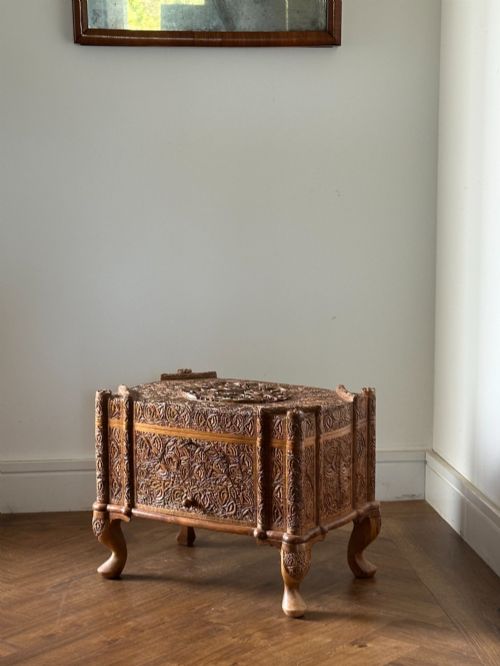
Artisanal detail separates standard utility boxes from exceptional caskets, evident in hand-carved sandalwood panels, finely chased ormolu, and well-executed silverwork. The preservation of original surface finishes and decorative overlays directly influences the character and standing of each piece.
Edmund Nye·Susse Freres·Erhard and Sohne·Mappin and Webb
The Antique Keepsake Casket Glossary
- Marquetry
- Decorative woodwork where small pieces of veneer are arranged to form pictorial or geometric patterns on a box lid. This technique requires considerable skill to fit different timbers seamlessly.
- Ormolu
- Gilded bronze mounts and decorative feet applied to nineteenth-century caskets. The process involves fusing gold to a base metal.
- Tunbridge Ware
- Woodworking speciality involving tiny mosaic tiles of natural coloured woods to create pictorial designs. It originates from the spa town of Tunbridge Wells.
- Cabochon
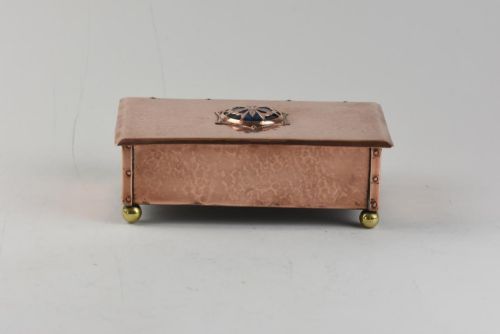
- A polished gemstone or enamel piece cut with a convex surface rather than faceted. These often form the central decorative motif on Arts and Crafts metalwork.
- Boulle
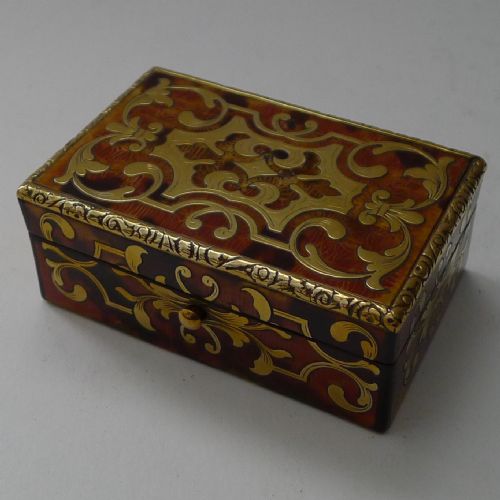
- A method of marquetry utilising brass and tortoiseshell inlaid into furniture and boxes. It takes its name from a celebrated cabinet-maker to Louis XIV.
Antique Keepsake Casket: Frequently Asked Questions
What is an antique keepsake casket used for?
These caskets served historically to safeguard precious items such as jewellery, letters, and small personal tokens away from dust and damage. Today, owners continue to utilise them for storing rings, cufflinks, and modern keepsakes on dressing tables.
The sturdy construction and velvet or silk interiors protect delicate objects from scratches. Their decorative exteriors also allow them to function as standalone display pieces within a room.
How do I date an antique keepsake casket?
Dating relies upon stylistic markers, material choices, and construction methods associated with specific eras like the Georgian, Victorian, or Edwardian periods. For instance, satinwood veneers and neoclassical brass mounts often point towards the Regency era.
Examining internal hinges, locks, and hallmarks on silver components provides further chronological clues. Makers' marks and stamps help narrow down the exact decade and country of origin.
How do I care for wooden keepsake caskets?
Wooden caskets require a stable indoor environment away from direct sunlight and sudden temperature shifts to prevent timber from warping or veneers from lifting. Gentle dusting with a dry, soft cloth preserves the historic finish.
Applying specialised wax occasionally helps maintain the moisture and lustre of rosewood, mahogany, or walnut. Moisture should be kept away from internal velvet or paper linings.
Are silver caskets marked with hallmarks?
Silver boxes and caskets from Britain generally feature standard hallmarks indicating the assay office, metal purity, and date letter. These marks offer a reliable method for verifying the age and origin of the piece.
Continental silver and plated items often bear different assay stamps or maker initials. Examining these tiny stamps with a magnifying glass reveals the history of the object.