




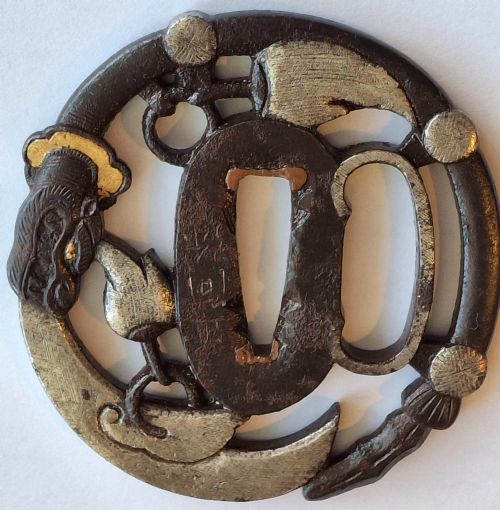

Antique Katana Tsuba
These antique katana tsuba are sword guards designed to protect the hand, offering collectors intricate metalwork and historical artistry from Japan.
Antique Katana Tsuba
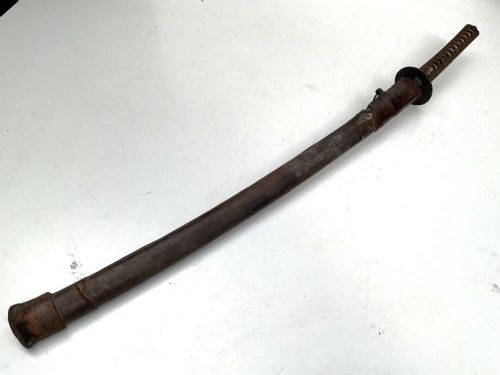
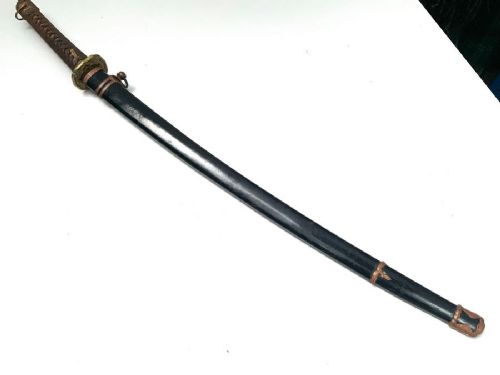
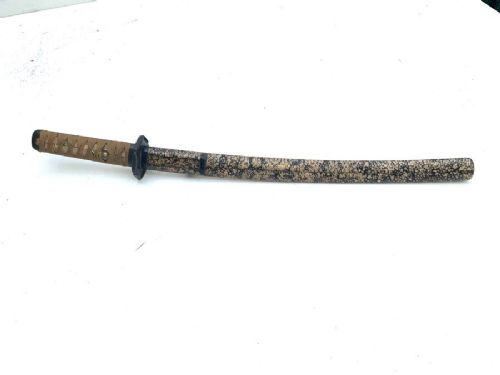
When you search for antique katana tsuba, you are looking at the solid guards placed between the grip and blade of Japanese swords. These items originate from periods such as the Edo period, Muromachi period, Meiji period, and Showa period.
The forms on this page include sword guards, sword fittings, and complete swords and edged weapons including tachi and katana. Iron and steel guards frequently date to the Edo period around seventeen fifty, whilst military examples appear from the nineteen forties.
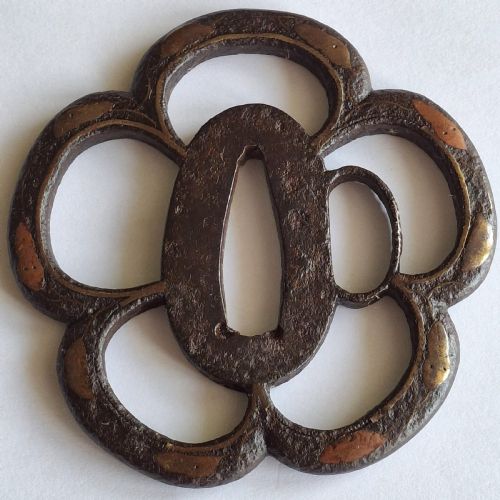
Buyers will most commonly meet iron and bronze guards featuring copper inlay, dragon motifs, and high relief work. Other variations include cloisonne enamel and signed bronze pieces overlaid with silver.
How they were made
Makers utilised forged iron and steel for foundational strength, shaping the metal into solid plates to withstand combat. Artisans then applied bronze and brass elements to construct detailed guards.
Surface decoration involved intricate techniques including copper inlay, silver overlay, and high relief carving. Artisans also worked with cloisonne enamel to depict subjects like Japanese folklore and dragons.
Antique Katana Tsuba Retail Price Guide 2026
Typical asking prices for katana tsuba among the pieces listed under this phrase on Sellingantiques today, from the lower quarter to the upper quarter. They describe what is for sale here now, not the wider market.
The periods represented span from the sixteenth century through the Edo and Meiji eras up to the nineteen forties.
What varies in quality
The distinction between standard guards and superior examples rests on the depth and precision of the metalwork. High quality pieces demonstrate skilled high relief carving and precise copper or silver inlays rather than basic surface decoration.
Signatures by makers elevate certain guards, showing documented artistry. The complexity of the imagery, such as detailed depictions of the polearm of Guan Yu or the heron form, separates routine military pieces from fine artistic work.
The Antique Katana Tsuba Glossary
- Tsuba
- A Japanese sword guard placed between the handgrip and the blade to protect the hand. These metal plates often display elaborate artistic motifs.
- Katana
- A traditional Japanese long sword designed for samurai warriors. The associated tsuba guards form a distinct category of collectible metalwork.
- Tachi
- An earlier style of Japanese sword that is longer and more curved than the standard katana. These weapons date back to the Muromachi and seventeenth century periods.
- Edo Period
- A historical era in Japan spanning from sixteen hundred and three to eighteen hundred and sixty-eight. Many iron tsuba guards originate from this time.
- Showa Period
- The historical Japanese era encompassing the nineteen forties. Pieces from this time include military officers swords and equipment.
Antique Katana Tsuba: Frequently Asked Questions
What is a katana tsuba?
A katana tsuba is the metal guard positioned at the base of a Japanese sword blade. It serves to protect the hand during combat while balancing the weapon.
Beyond utility, these guards functioned as canvases for metal artisans. They display intricate carvings, metal inlays, and cultural motifs.
How do I date an antique tsuba?
Dating relies on the metal composition, construction style, and historical motifs associated with specific eras. Iron guards often point to the Edo period, whilst military contexts suggest the Showa period.
Signatures left by makers also help establish a timeline. Examining the specific inlay techniques and subject matter narrows down the period of creation.
What materials were used for tsuba?
Makers primarily used forged iron and steel for structural strength. Bronze, brass, and copper were also employed for both the body and decorative inlays.
Surface enrichment sometimes included silver overlays and cloisonne enamel. Wood and ray skin appear on the related sword mountings and grips.
How were tsuba displayed?
Collectors typically house tsuba on dedicated stands that hold the guard upright. This method highlights the metalwork and allows viewing of both sides.
Proper display protects the copper and silver inlays from damage. It also lets the collector appreciate the high relief carvings and signatures.