

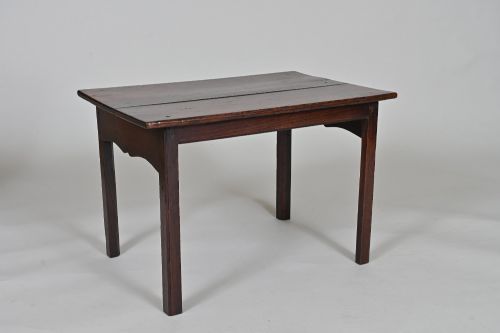
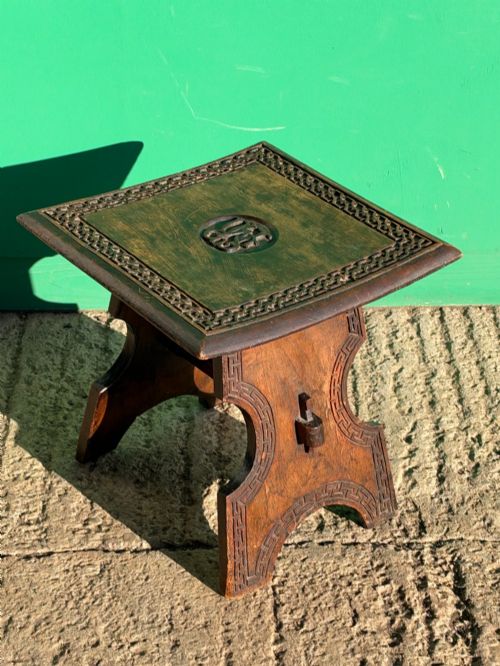
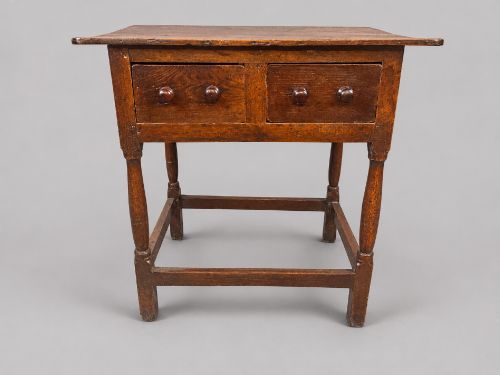
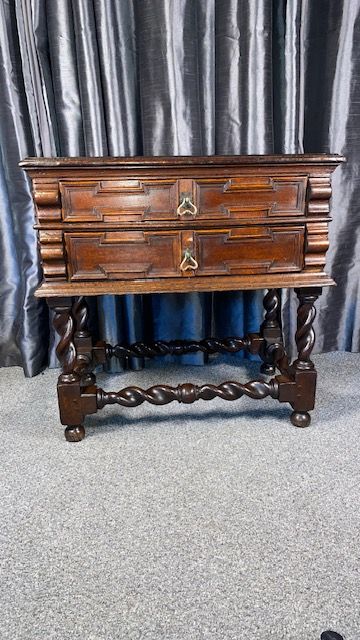
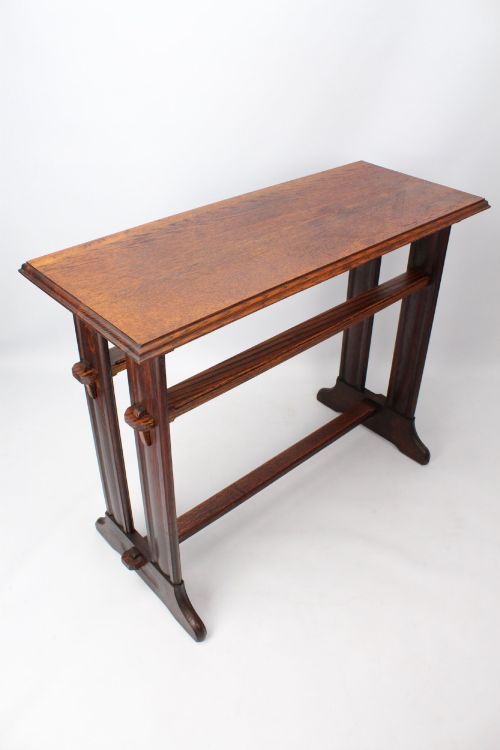
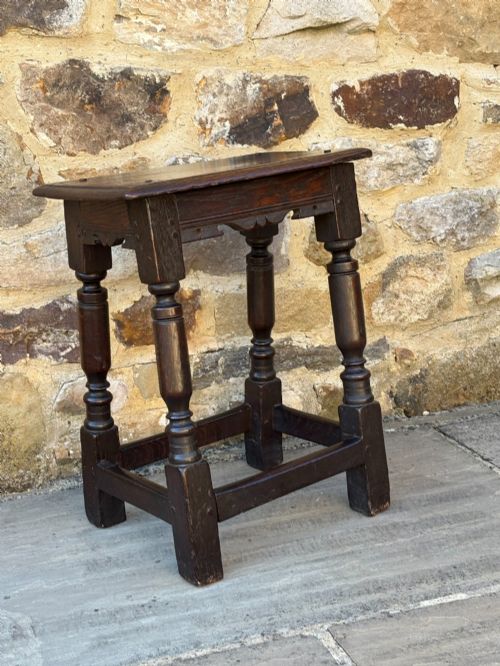
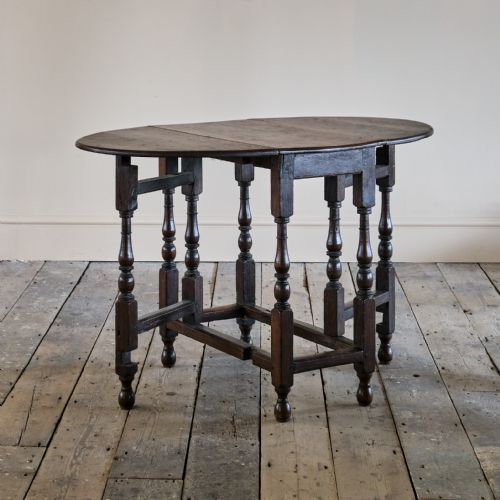
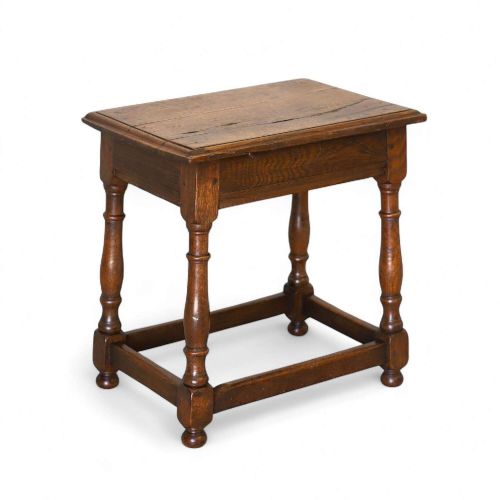
Antique Jointed Table
An antique jointed table brings solid timber framing and pegged construction directly into a room, offering sturdy utility rooted in centuries past.
Antique Jointed Table
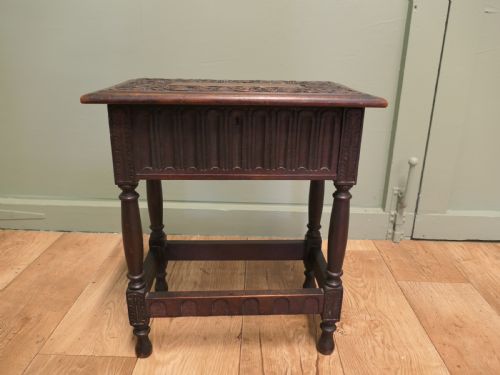
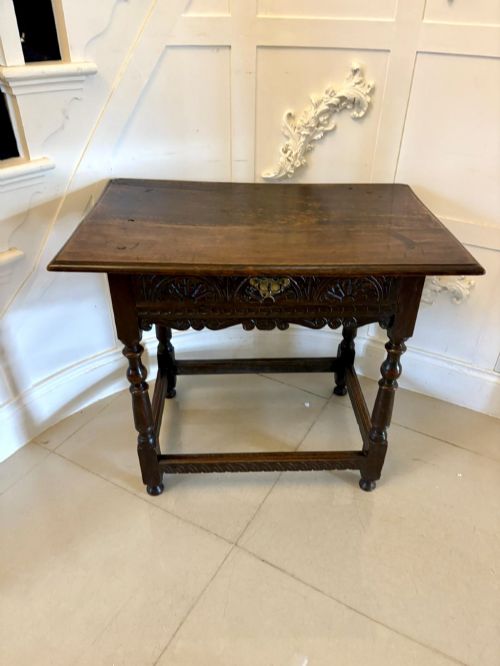
When searching for an antique jointed table, buyers encounter sturdy forms designed for daily utility, predominantly side tables, centre tables, and occasional tables. These pieces span from the seventeenth century through the eighteenth and nineteenth centuries, reflecting domestic life across multiple eras.
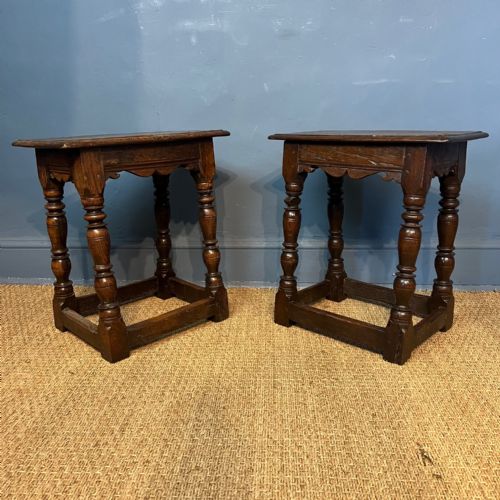
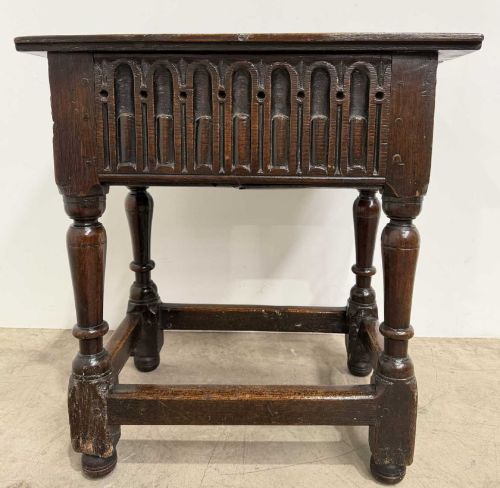
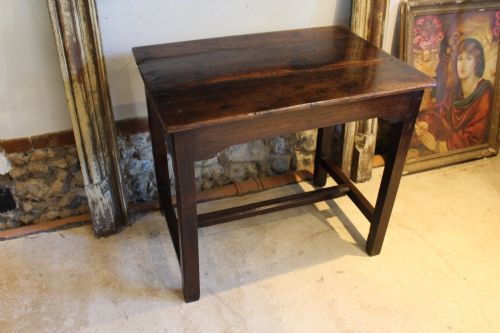
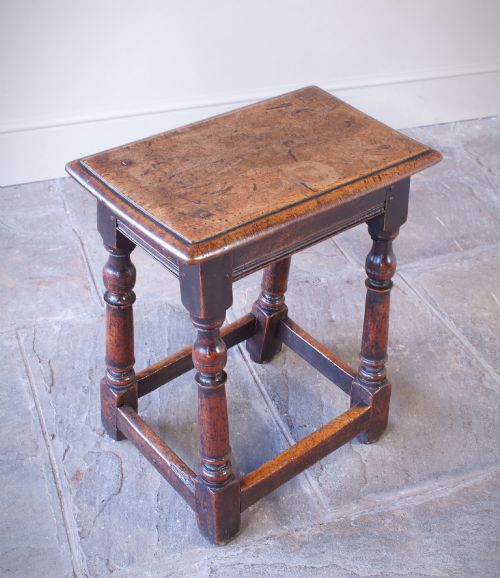
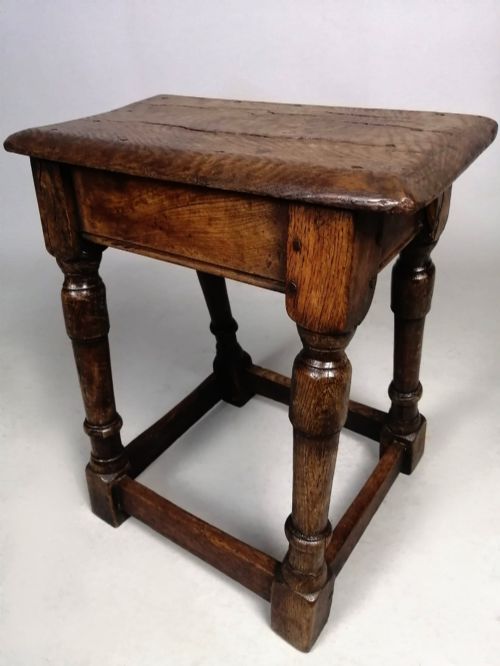
The version most commonly met on this page is constructed from oak, often taking the form of a side table or a low occasional table. Alongside tables, related jointed forms such as joint stools, box stools, and tavern tables appear frequently, sharing the same heavy timber framing.
Stylistic influences range from Jacobean and Queen Anne to Georgian and English Country traditions. Pieces from later periods also reflect revival movements, incorporating seventeenth-century details into Edwardian and later domestic furniture.
Construction and materials
Makers relied on solid hardwoods, principally oak, supplemented by elm, walnut, pine, and yew wood. These dense timbers provided the structural strength required for domestic use.
Joinery depended on wooden pegs rather than modern metal fixings, securing mortise and tenon joints firmly together. This pegged construction allowed the timber to move naturally with changes in humidity while maintaining rigidity.
Antique Jointed Table Retail Price Guide 2026
Typical asking prices for jointed table among the pieces listed under this phrase on Sellingantiques today, from the lower quarter to the upper quarter. They describe what is for sale here now, not the wider market.
Several items combine multiple functions, listed simultaneously as joint stools, occasional tables, and sewing boxes.
Assessing quality
Quality rests in the integrity of the timber and the tightness of the pegged joints. Superior examples retain their original structural members without extensive timber replacement.
Surface character also distinguishes the range, as natural ageing and patination develop over centuries of use. Tables that retain a rich colour and honest surface wear demonstrate greater desirability than those with over-restored finishes.
The Antique Jointed Table Glossary
- Jointed
- Constructed using interlocking joints secured by wooden pegs rather than modern hardware. This traditional method forms the backbone of seventeenth and eighteenth-century framing.
- Pegged Construction
- A method where wooden dowels hold mortise and tenon joints together. It provides durable stability without metal nails or screws.
- Joint Stool
- A sturdy wooden stool built with pegged joinery, sharing construction methods with larger tables. These items frequently double as low occasional surfaces.
- Plank Top
- A surface formed from solid boards joined edge to edge. This construction appears commonly on early tables and stools.
- Gateleg Table
- A table with hinged leaves supported by swing legs that pull out like a gate. This design allows the surface area to expand or fold down when not in use.
Antique Jointed Table: Frequently Asked Questions
What is an antique jointed table?
An antique jointed table is a solid timber piece built using traditional mortise and tenon joinery secured with wooden pegs. These tables were constructed to withstand heavy daily use in domestic settings.
Most examples found here date from the seventeenth, eighteenth, and nineteenth centuries, appearing in forms such as side tables, centre tables, and occasional tables.
How were these tables used originally?
These tables served various practical functions in domestic interiors, acting as surfaces for food preparation, dining, or holding household items. Their robust timber build made them suitable for constant movement and daily work.
Smaller variants often doubled as stands or storage surfaces, while tavern tables provided communal seating centres in public houses.
How do I live with an antique jointed table?
Living with an antique jointed table involves placing it away from direct heat sources and sudden humidity changes to protect the old timber. Regular dusting with a dry cloth keeps the surface clean without stripping its natural patina.
These sturdy wooden pieces fit easily into modern living spaces as side tables or lamp tables, combining historical character with everyday surface utility.
How do I tell periods apart?
Distinguishing periods relies on observing stylistic details such as turning on the legs, edge moulding profiles, and hardware marks where drawers are present. Early seventeenth-century pieces show heavier framing and simpler geometric carving.
Later eighteenth and nineteenth-century examples often incorporate refined proportions and stylistic revivals, reflecting the design preferences of Georgian and Edwardian makers.