

Antique Jewelry Cabinet
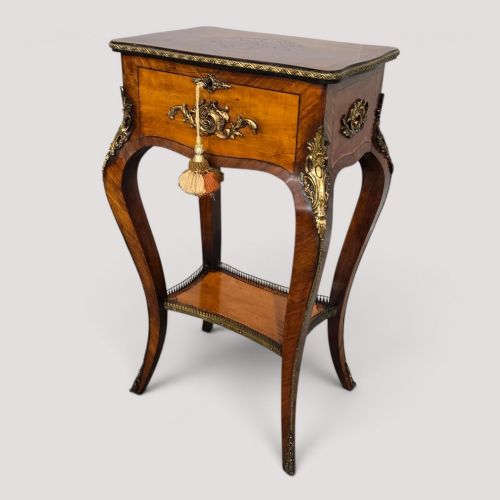
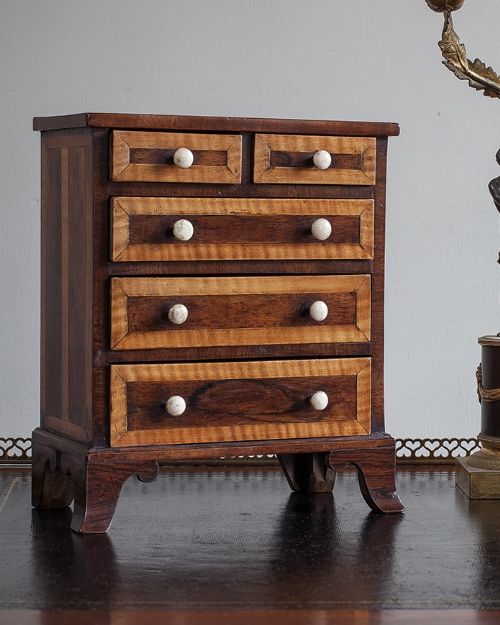
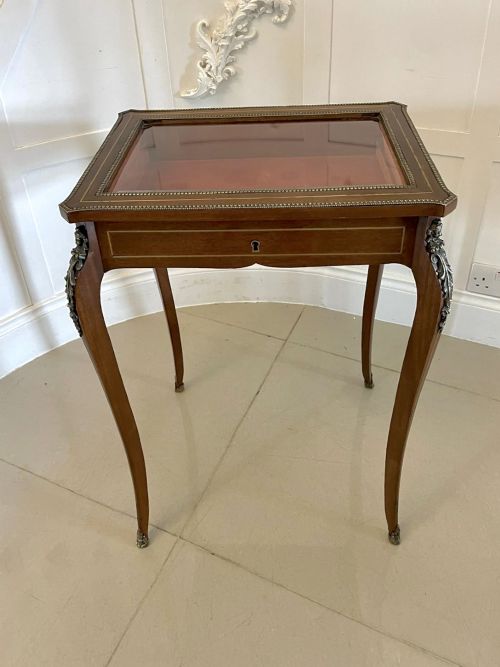
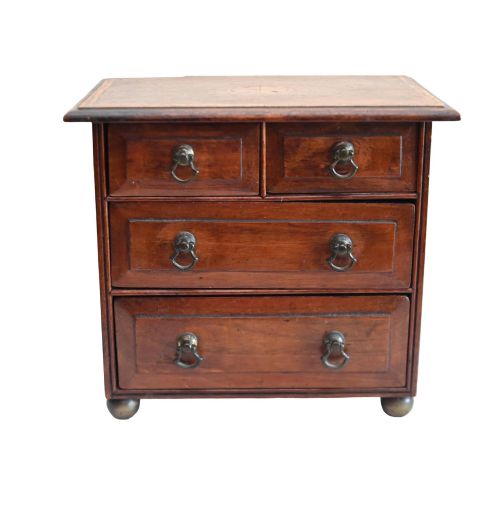
An antique jewellery cabinet is a compact vessel designed to hold precious ornaments, and these pieces span miniature chests to glass-topped display tables.
Antique Jewelry Cabinet
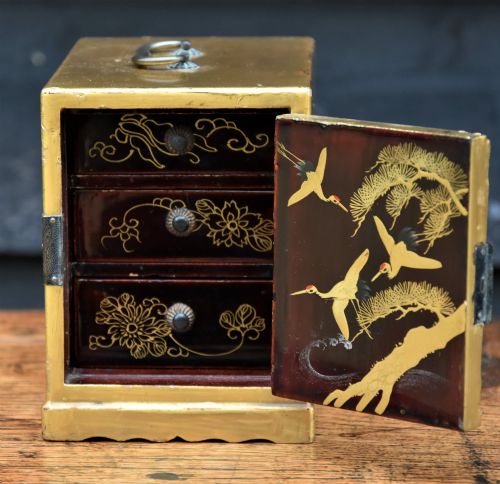
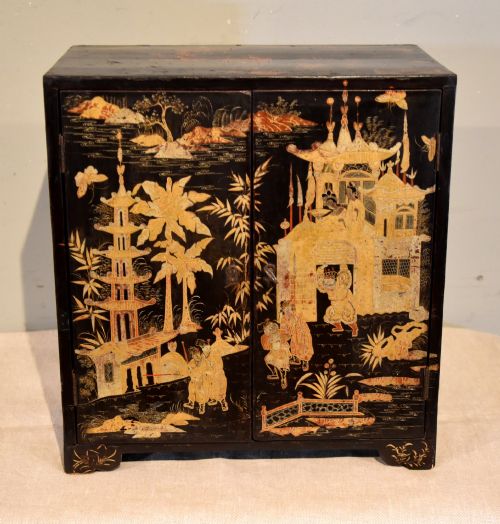
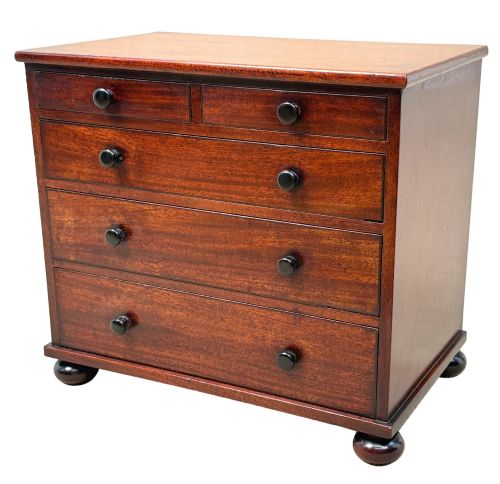
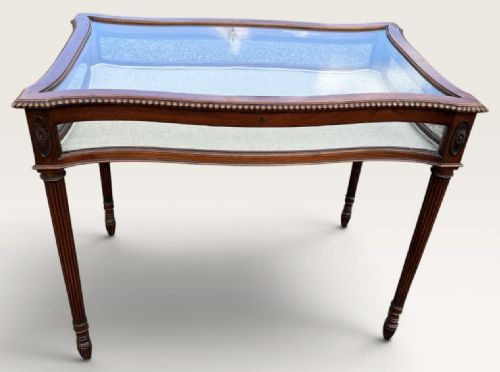
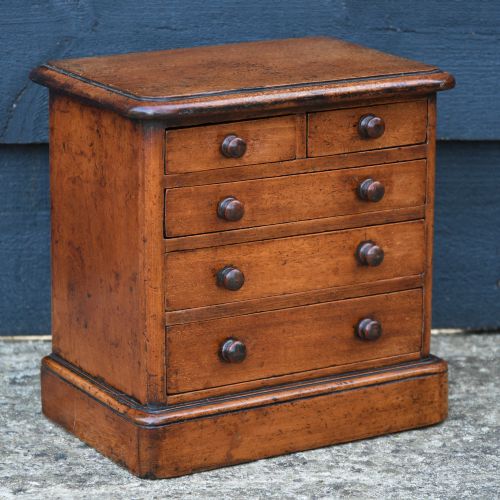
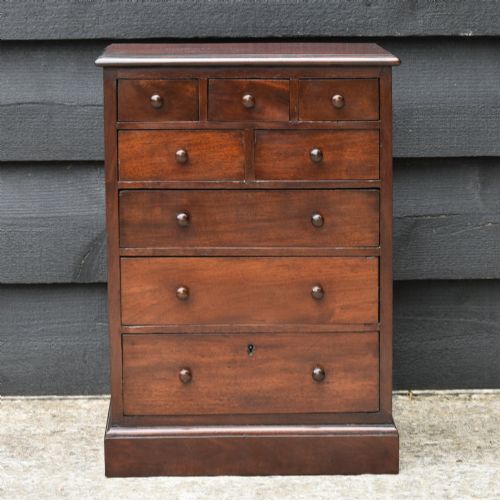
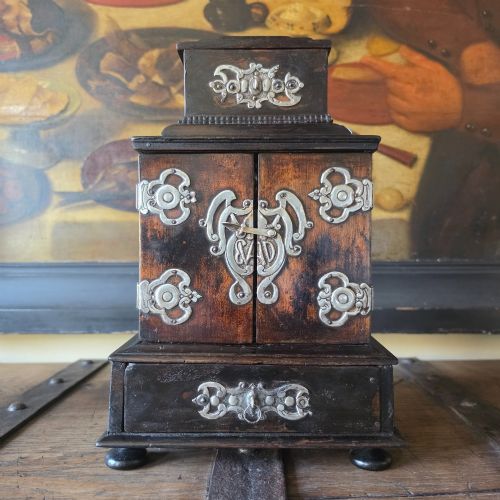
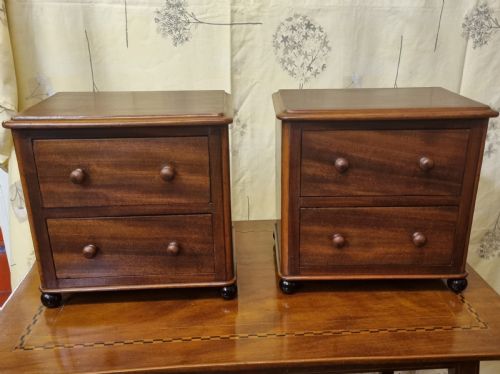
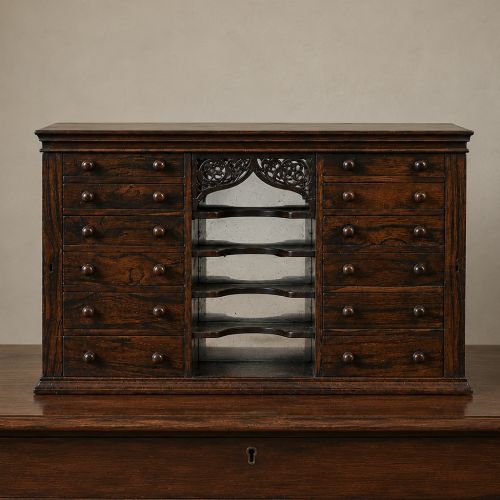
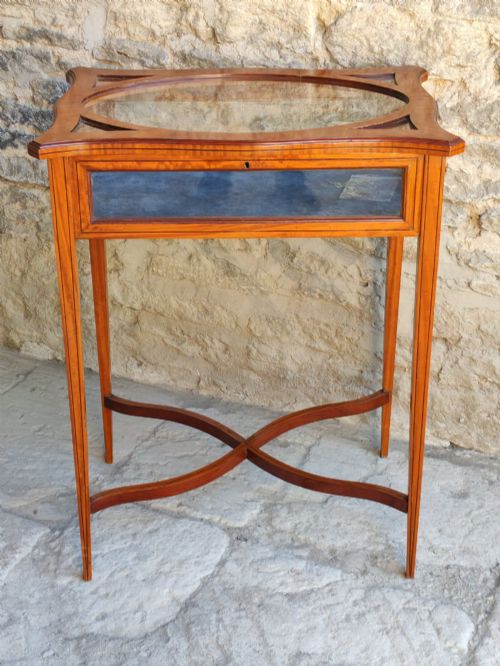
An antique jewellery cabinet encompasses several distinct forms designed to secure small valuables, most notably miniature chests of drawers, table cabinets, and glass-topped bijouterie tables. The pieces found here range from Georgian and Victorian mahogany apprentice chests to Edwardian inlaid display tables and Japanese lacquer boxes.
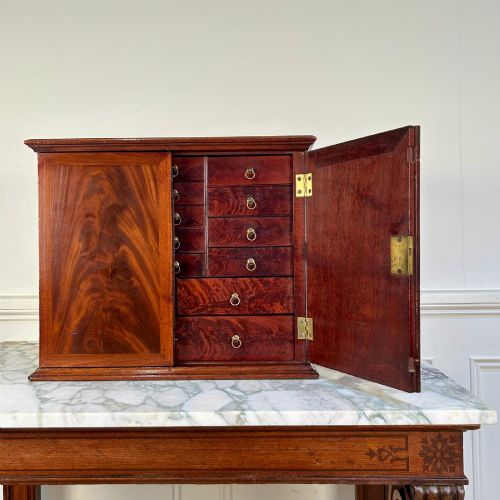
The Victorian era supplies a large portion of the miniature chests and mother-of-pearl boxes, whilst the Edwardian period contributes satinwood and mahogany bijouterie tables. Earlier examples from the eighteenth century appear as walnut jewelery cabinets and collectors cabinets.
Materials and construction
Cabinetmakers utilised dense timbers such as mahogany, walnut, rosewood, and oak for the structural carcass of these miniature chests and cabinets. Marquetry, brass inlays, and satinwood banding frequently decorate the exterior surfaces.
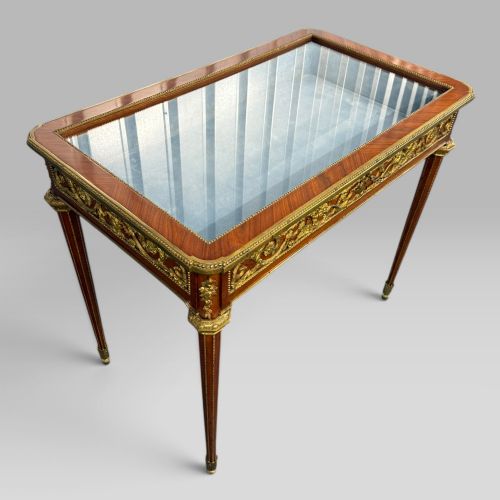
Glass panels feature in display tables and countertop cases, supported by brass, gilt metal, or ormolu mounts. Velvet linings frequently cushion the interior compartments intended to hold delicate trinkets.
Antique Jewelry Cabinet Retail Price Guide 2026
Typical asking prices for jewelry cabinet among the pieces listed under this phrase on Sellingantiques today, from the lower quarter to the upper quarter. They describe what is for sale here now, not the wider market.
The listings encompass nineteenth-century miniature chests, Edwardian display tables, and eighteenth-century collectors cabinets constructed from mahogany, walnut, rosewood, and oak.
Craftsmanship and proportion
The standard of these pieces depends upon the precision of the joinery in miniature scale, where tight dovetails and properly scaled mouldings distinguish superior work. Secondary timbers and internal drawer construction reveal the care taken by the maker.
Decorative elements such as hand-cut brass inlay, finely executed marquetry, and original Ormolu mounts elevate certain examples above simpler vernacular boxes. The integrity of the glass panels and the retention of original velvet linings also influence the character of each piece.
The Antique Jewelry Cabinet Glossary
- Bijouterie table
- A glass-topped display table designed specifically for showcasing small ornaments and jewellery. These pieces often feature hinged lids and velvet-lined interiors.
- Apprentice piece
- A small-scale item of furniture created by a craftsman to demonstrate skill for trade guild admission. Miniature chests of drawers frequently carry this attribution.
- Ormolu
- Gilded bronze mounts applied to furniture and decorative boxes, particularly popular in French nineteenth-century pieces. This technique adds metallic highlights to wood surfaces.
- Kodansu
- A traditional Japanese small cabinet fitted with internal drawers and doors. These works frequently employ gilt lacquer decoration upon wooden carcasses.
- Wellington chest
- A tall narrow chest of drawers secured by a locking side pilaster bar. This form occasionally appears in miniature formats for collectors.
Antique Jewelry Cabinet: Frequently Asked Questions
What were antique jewellery cabinets used for?
These cabinets served to store and display valuable personal ornaments, rings, and small keepsakes in domestic settings. Many were kept on dressing tables or sideboards for daily access.
Larger collector variants held natural history specimens, coins, or medals rather than personal trinkets.
How do I identify an apprentice chest?
Apprentice chests replicate full-sized furniture with miniature proportions and functional drawers. They demonstrate master-level joinery on a reduced scale.
They date primarily from the nineteenth century in mahogany, oak, or walnut.
Where should I place a bijouterie table?
Bijouterie tables require placement away from direct sunlight to protect interior velvet linings and delicate wooden surfaces. Their glass tops invite viewing from above, making them suitable as freestanding centerpieces or side tables.
Their compact footprints allow them to fit easily into smaller reception rooms.
How are Victorian and Edwardian cabinets different?
Victorian cabinets often utilise heavy mahogany or rosewood with rich grain, mother-of-pearl inlay, and velvet interiors. They favor enclosed miniature chest forms.
Edwardian examples frequently employ lighter satinwood and mahogany with delicate stringing, prioritising glass display surfaces in bijouterie tables.