
Antique Jewellery Earrings
These antique jewellery earrings span from Georgian designs through Victorian and Edwardian periods into Art Deco and mid-century styles, offering enduring craftsmanship and distinct period character.
Antique Jewellery Earrings
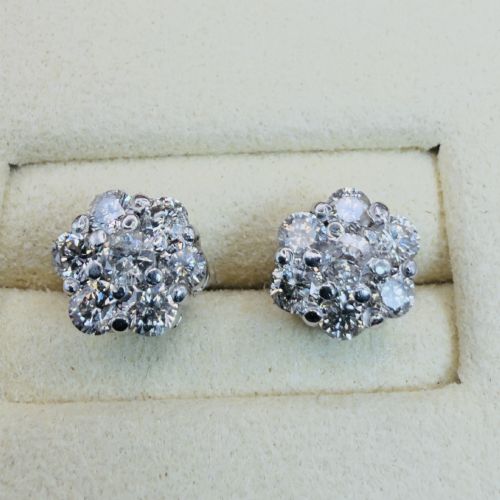
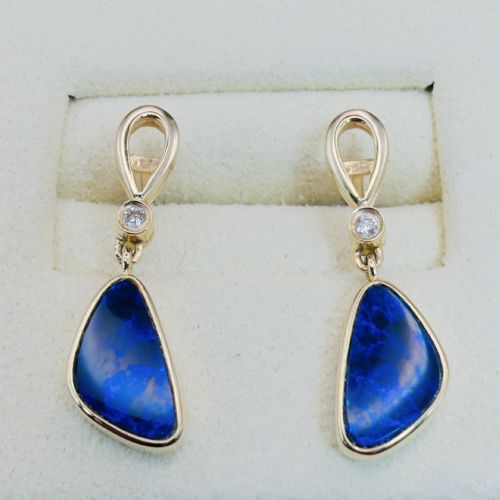
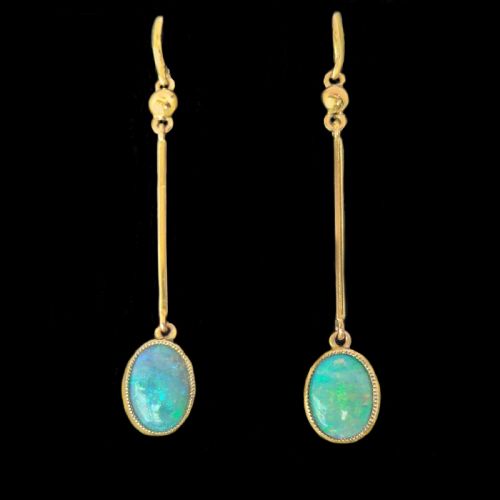
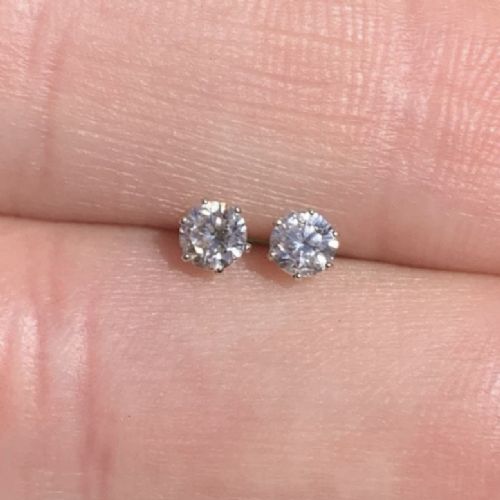
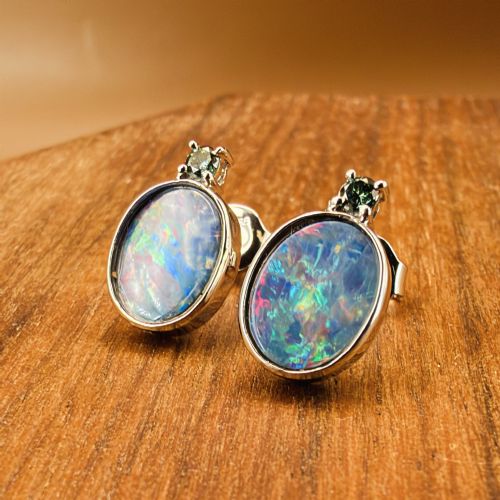
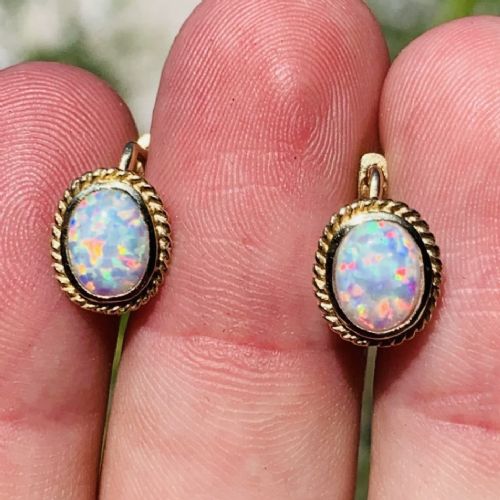
When searching for antique jewellery earrings, buyers encounter a wide spectrum of historical forms, ranging from elaborate drop designs to modest studs. These pieces reflect the prevailing aesthetic tastes of their respective eras, utilising various metals and gemstone configurations.
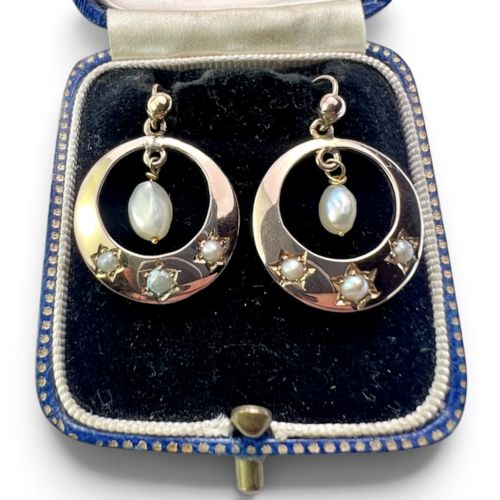
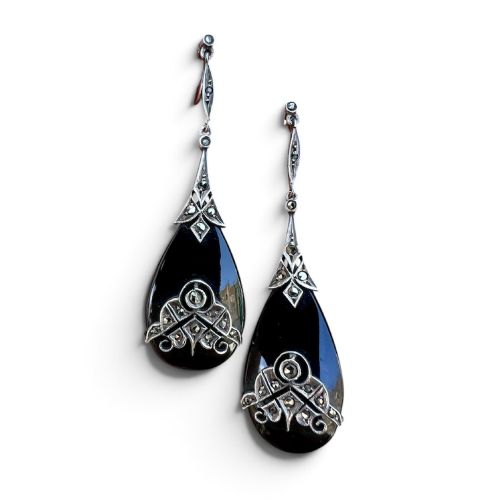
The most common examples on this page hail from the Victorian, Edwardian, and Art Deco periods. Such pairs often feature characteristic motifs like crescent moons, floral clusters, and geometric drops.
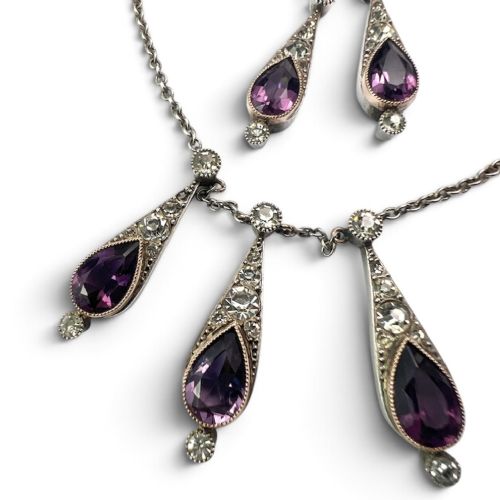
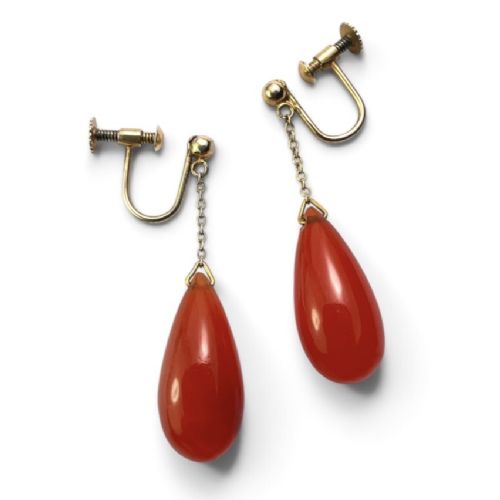
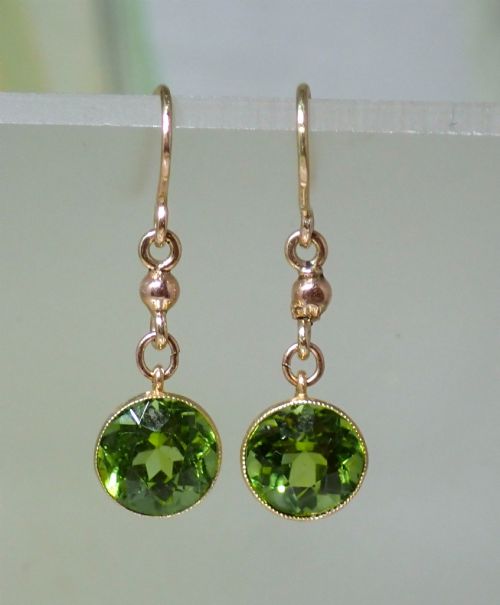
Earrings from this category include both screw-back and hook fastenings, adapting to the changing fashions of ear piercing over the decades. They frequently appear alongside matching necklaces or brooches in coordinated sets.
How they were made
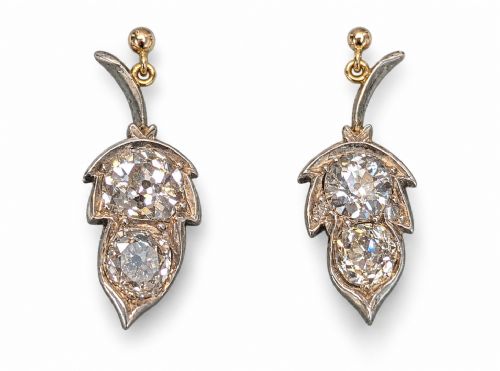
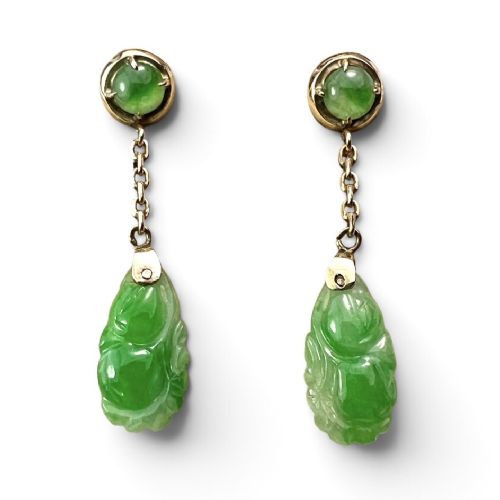
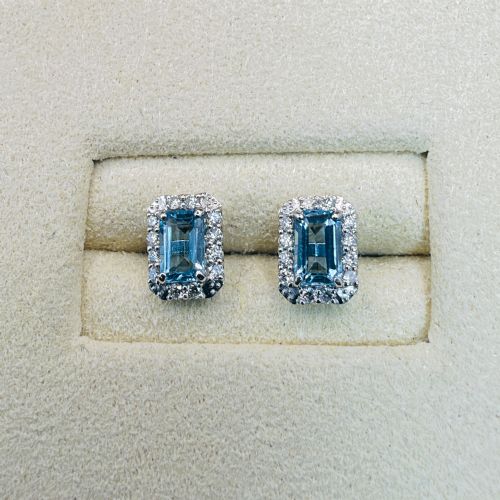
The construction of these pieces relies heavily on precious metals such as silver, gold in various carats including 9ct and 15ct, and platinum. Artisans combined these metals with gemstones like diamonds, amethysts, jade, and turquoise, often using silver-topped gold settings to enhance the brilliance of diamonds.
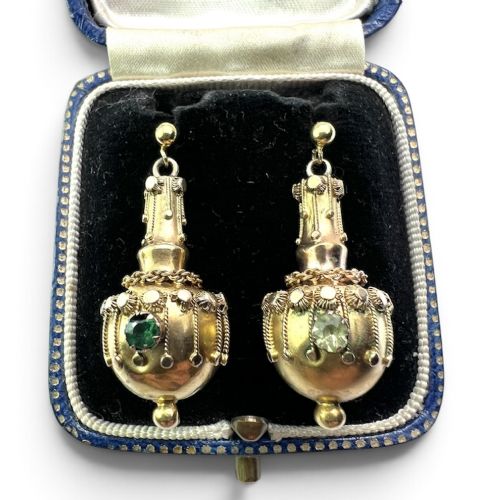
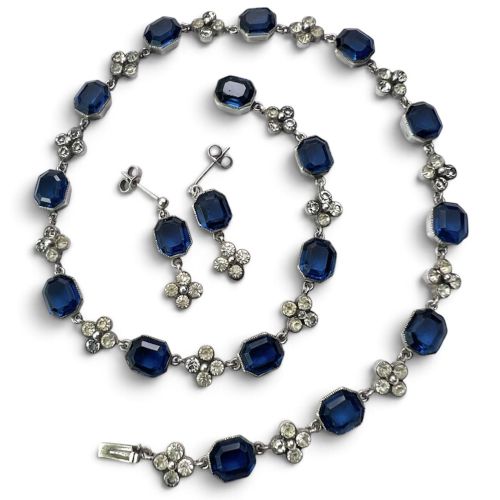
Lapidary work and metal smithing techniques varied by period, from Etruscan revival granulation to precise Art Deco geometric calibration. Paste glass and marcasite also served as primary materials for glittering effects without utilising high-cost stones.
Some Art Deco sets include matching necklaces, proving that matching your earrings to your pendant was serious business.
What varies in quality
Quality in these items depends upon the precision of the stone cutting, the integrity of the metalwork, and the originality of the components. Hand-cut old diamonds and carefully carved jadeite demonstrate superior workshop standards compared to mass-produced alternatives.
The preservation of original settings, secure gemstone mountings, and the clarity of hallmarks distinguish finer examples. Pieces that retain their original screw-backs or hook fastenings without replacement parts command greater attention from collectors.
Knoll & Pregizer·Harold Arthur Lazarus
The Antique Jewellery Earrings Glossary
- Drop Earrings
- Earrings that hang below the earlobe, often incorporating articulated sections that move as the wearer turns.
- Paste Glass
- Hand-cut and polished lead glass used to imitate gemstones, frequently found in Georgian and Art Deco designs.
- Marcasite
- Small, faceted pieces of iron pyrite set into silver to provide a sparkling metallic border.
- Etruscan Revival
- A nineteenth-century style influenced by archaeological discoveries, characterised by gold granulation and classical motifs.
Antique Jewellery Earrings: Frequently Asked Questions
How do I clean antique earrings?
Clean these delicate items gently with a dry microfiber cloth to remove surface dust. Avoid liquid immersion, particularly for pieces containing paste glass, pearls, or foiled stones.
Harsh chemical dips can damage organic materials like turquoise and amber, or degrade old metal settings. Consult a specialist for professional ultrasonic cleaning.
Are old earrings safe for daily wear?
Many vintage and antique pairs withstand regular use if handled with reasonable care. Check the security of hook wires and screw-back mechanisms before wearing them out.
Heavier drop designs may place stress on the earlobe over extended periods. Store them safely in a dedicated box when not in use to prevent accidental bending.
Can screw-back earrings be converted?
Conversion is possible through a specialist jeweller who can replace screw fittings with posts or modern hooks. This process alters the original state of the hardware.
Collectors generally advise keeping historical fastenings intact to preserve authenticity. Many buyers learn to wear screw-backs comfortably without alteration.
How do I date an antique earring?
Examine the metal purity marks, fastening types, and gemstone cuts to establish a chronological baseline. Georgian and Victorian pieces often feature closed-back settings and hand-cut stones.
Art Deco items display geometric symmetry and platinum use, while mid-century examples introduce standardised hallmarks. Comparing the overall design motif to known stylistic periods clarifies the date.