


Antique Jewellery Container
An antique jewellery container holds personal treasures, taking forms from Victorian silver caskets to Art Deco crystal powder boxes.
Antique Jewellery Container
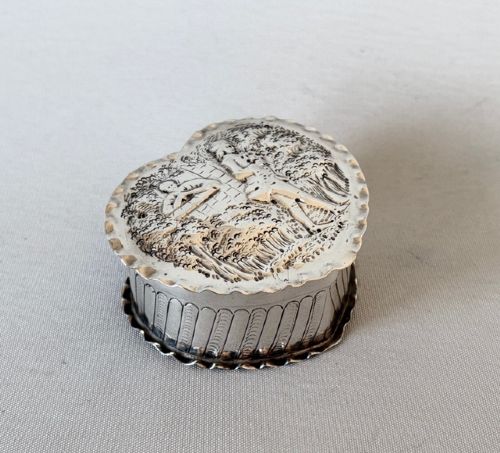
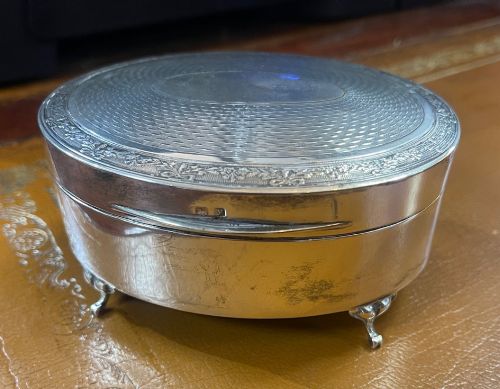
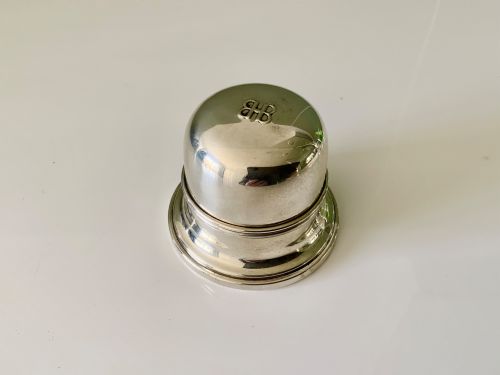
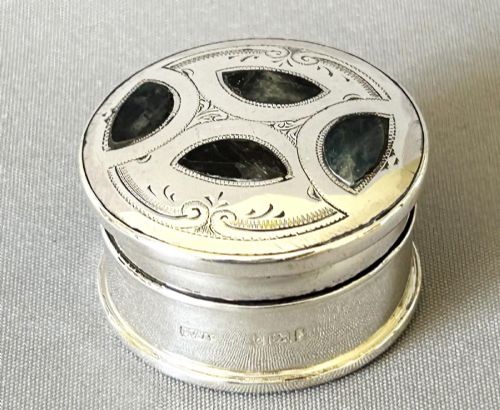
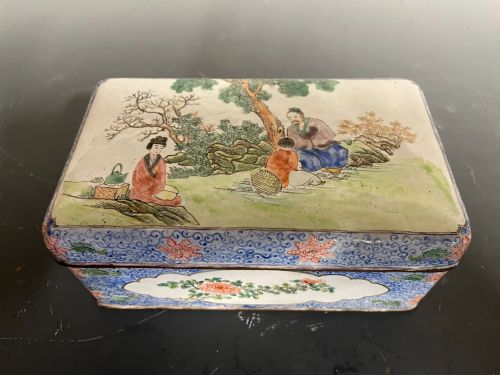
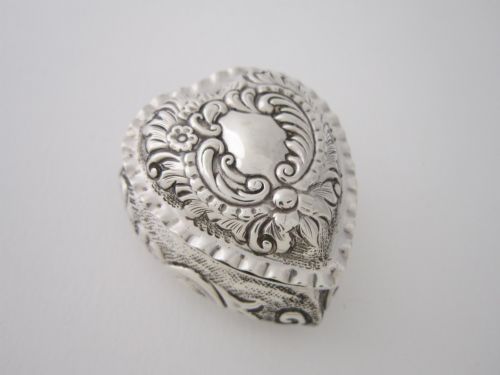
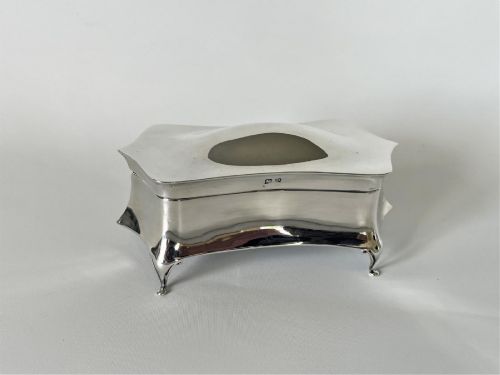
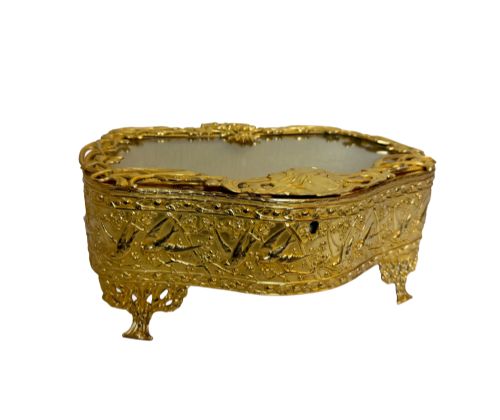
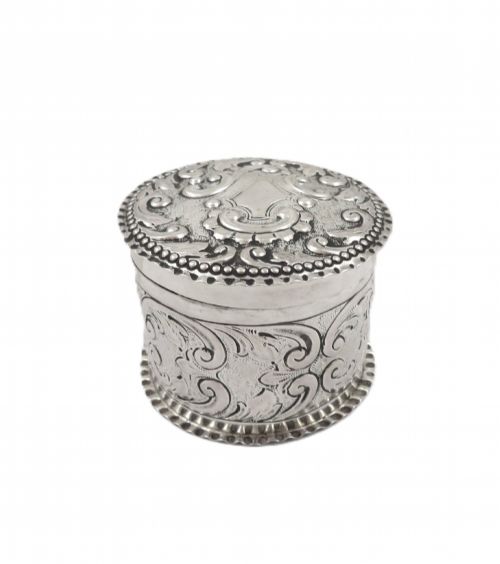
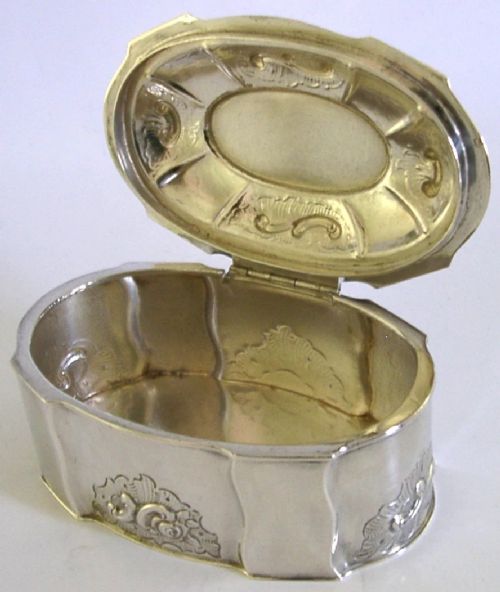
An antique jewellery container serves as a repository for rings, cufflinks, and keepsakes, appearing across this selection in forms such as trinket boxes, dressing table boxes, and vanity pots. These pieces originate from the nineteenth century through the early decades of the twentieth century, encompassing Victorian, Edwardian, George V, and Art Deco periods.
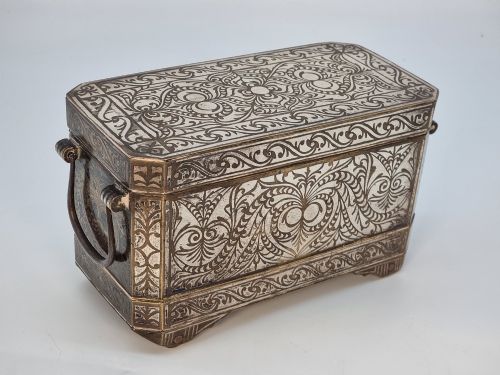
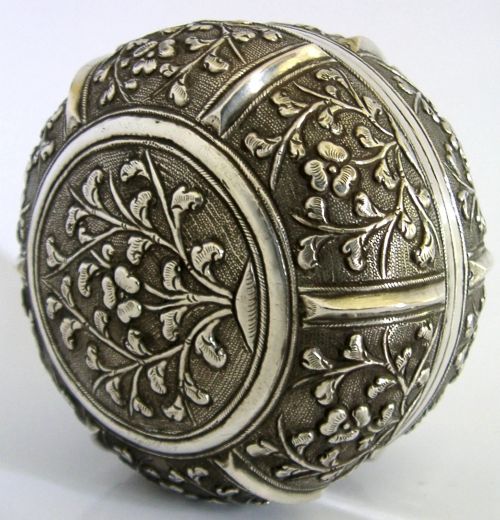
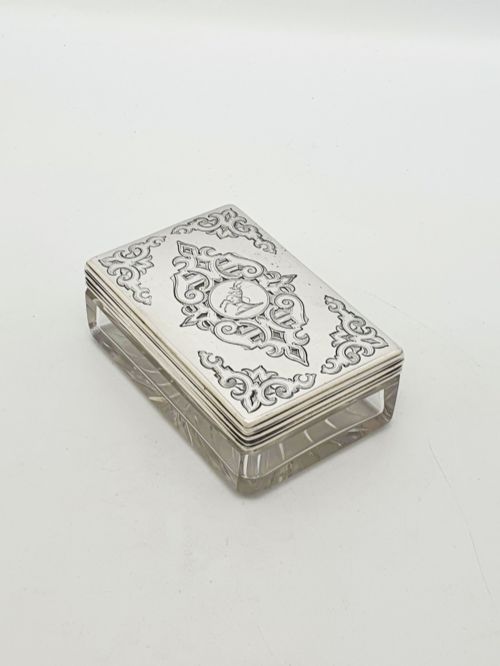
The most common examples met here are sterling silver and silver-plated trinket boxes, often lined with gilt interiors or paired with cut glass bases. Alongside these metal pieces, buyers encounter wooden, brass, glass, and lacquered vessels reflecting stylistic influences from Arts and Crafts to Art Nouveau and Indo-Chinese export work.
How they were made
Metalsmiths constructed silver and brass containers through casting, hammering, and embossing, frequently applying repoussé relief work or spot-hammering surfaces as seen in Arts and Crafts pieces. Silver elements bear hallmarks denoting assay offices like Birmingham and Chester alongside manufacturing dates.
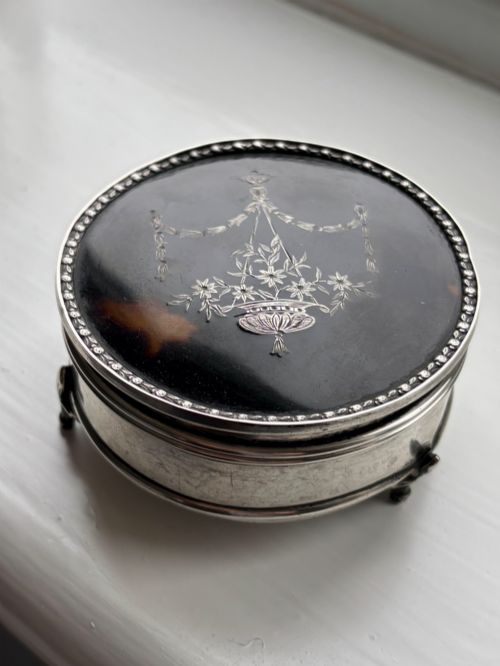
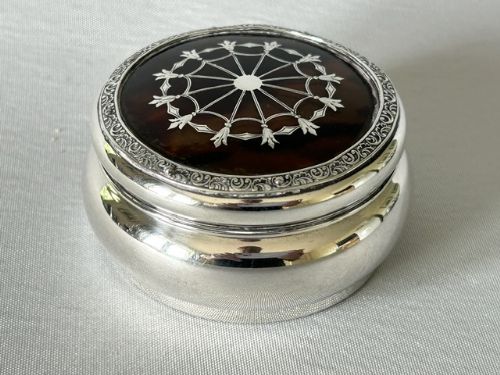
Glass containers utilise cut crystal, moulded green glass, or porcelain, sometimes mounted with metal hinged lids or set with stones such as citrene. Wood and lacquer boxes incorporate specialised joinery, Tunbridge ware mosaic detailing, and pique work inlaid into materials like tortoiseshell.
Antique Jewellery Container Retail Price Guide 2026
Typical asking prices for jewellery container among the pieces listed under this phrase on Sellingantiques today, from the lower quarter to the upper quarter. They describe what is for sale here now, not the wider market.
Coffin-shaped silver boxes offer a morbidly charming resting place for Victorian mourning rings and keepsakes.
What varies in quality
Quality rests in the precision of the maker's hand, from the depth of chased cherub relief work to the crispness of spot-hammering on silver surfaces. Pieces bearing recognised maker marks or originating from specialised workshops demonstrate superior execution in construction.
Materials dictate distinction, separating standard silver plate from heavy solid sterling silver, and plain glass from intricate cut crystal or layered pique work. The integrity of internal fabric linings, secure hinges, and well-fitted lids complete the standard of manufacture.
Ollivant and Botsford·Asprey and Co·Georg Jensen·Nathan and Hayes·Henry Williamson Ltd
The Antique Jewellery Container Glossary
- Sterling Silver
- An alloy containing ninety-two point five percent silver by mass, widely utilised for British trinket boxes and vanity items.
- Pique Work
- The technique of inlaying tiny gold or silver pins into tortoiseshell or ivory surfaces to form delicate decorative patterns.
- Repoussé
- A metalworking method where the artisan hammers the design from the reverse side to form raised relief motifs on the front.
- Hallmark
- A stamp impressed upon precious metals indicating the standard of purity, the assay office, and the year of manufacture.
- Cut Glass
- Glass shaped by cutting facets and patterns into the surface using a wheel, creating reflective effects seen on vanity pots.
Antique Jewellery Container: Frequently Asked Questions
What is an antique jewellery container?
An antique jewellery container is a small decorative box designed to hold rings, brooches, cufflinks, and personal keepsakes on a dressing table.
These pieces encompass trinket boxes, vanity pots, and powder jars produced from materials including sterling silver, glass, wood, and brass.
How were silver trinket boxes marked?
Silver trinket boxes typically carry hallmarks stamped into the metal by an official assay office to designate purity, maker, and year.
British examples feature lion passant symbols alongside city marks such as Birmingham or Chester anchors and date letters.
What materials are used in these boxes?
Makers utilised sterling silver, silver plate, brass, and gilt bronze alongside cut glass, crystal, porcelain, and ebonised wood.
Interiors often feature gilt washes, fabric linings, or fitted trays, while lids incorporate tortoiseshell, citrene stones, and enamel.