
Antique Jewellery Charm
An antique jewellery charm holds memories and movement, suspended from a bracelet or worn close as a small sculpture.
Antique Jewellery Charm
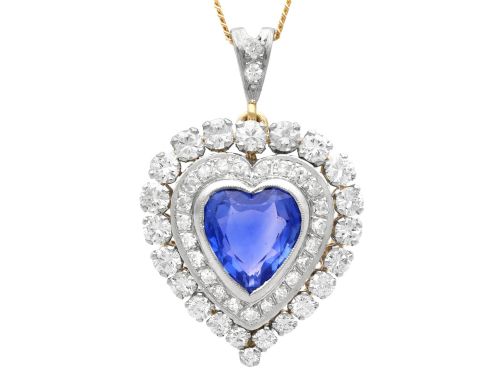
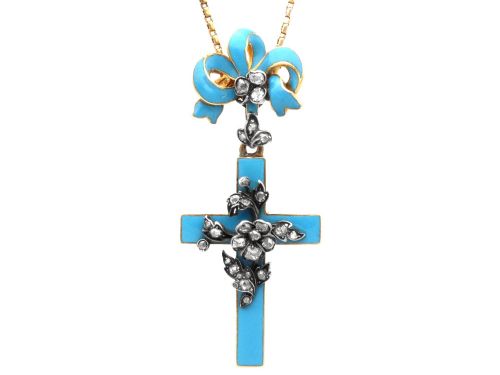
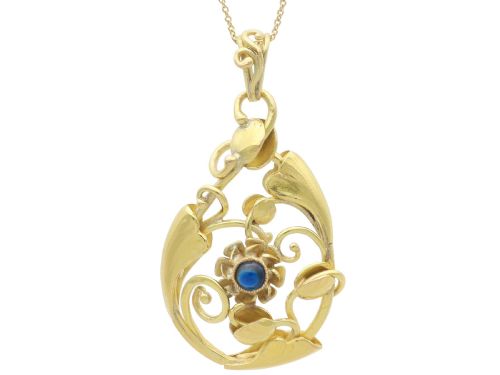
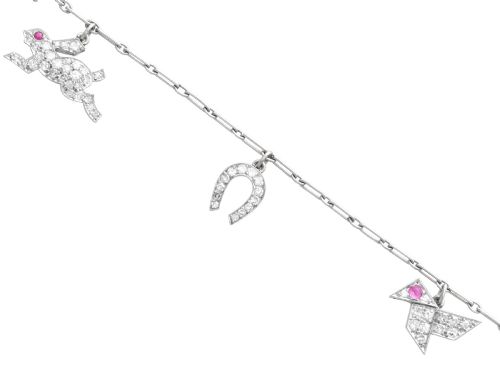
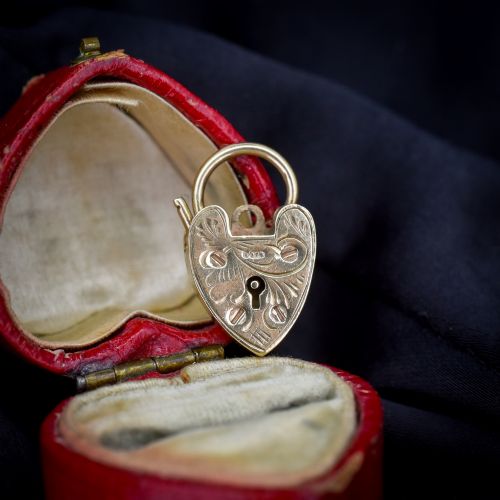
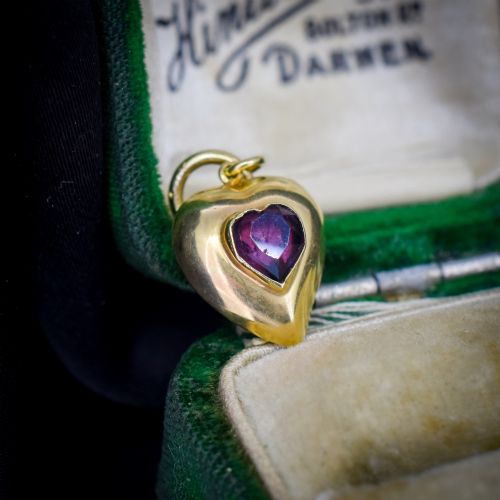
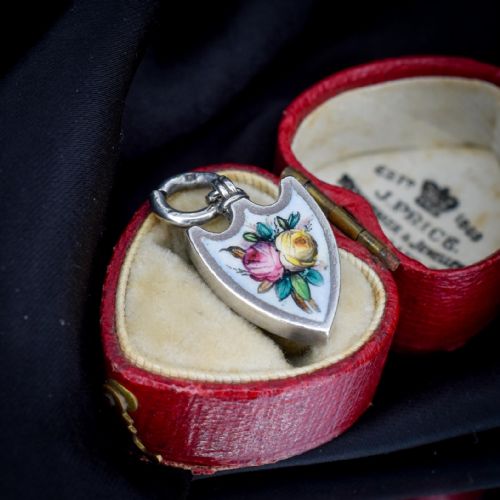
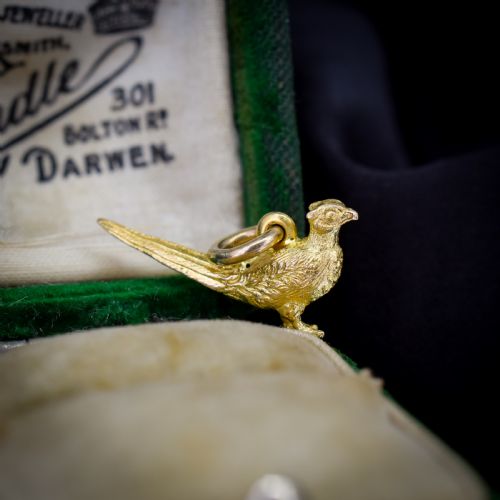
When you search for an antique jewellery charm, you encounter miniature pendants, padlocks, fobs and figurative objects made to hang from bracelets or chains. The selection ranges from Victorian gold padlocks and Edwardian enamel hearts to mid-century novelty animals and floral shields.
Most examples found here date from the nineteenth century through the mid-twentieth century, encompassing Victorian, Edwardian, Art Nouveau and Art Deco periods. These items served as personal tokens, keepsakes or decorative seals before transitioning into collectible charms.
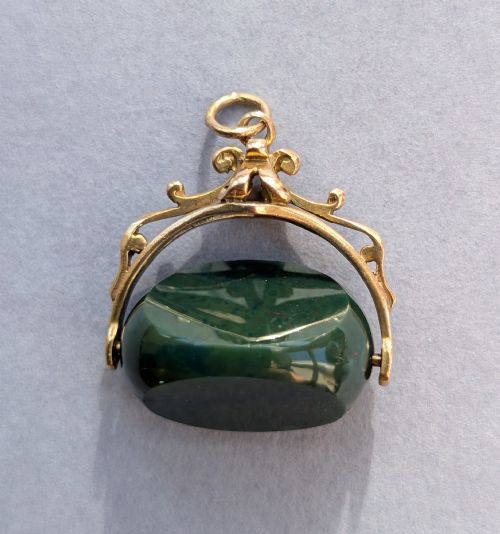
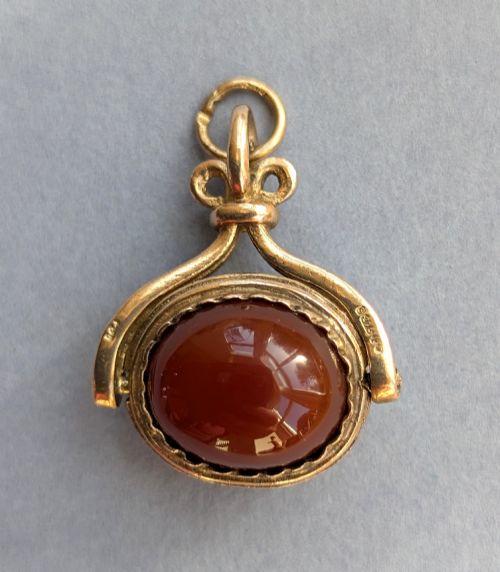
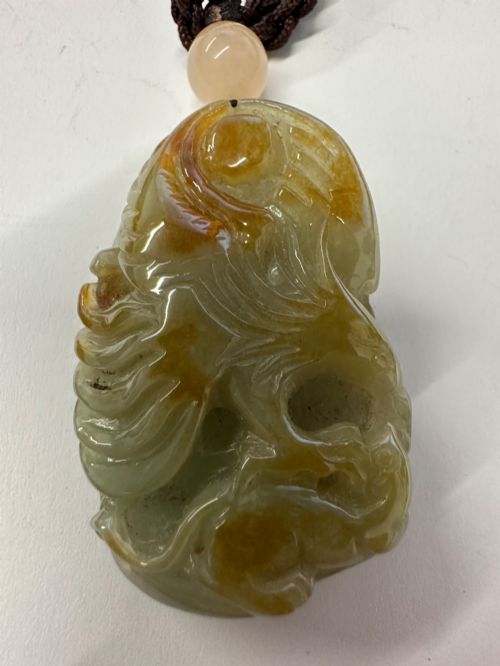
Forms vary from engraved heart padlocks and spinning fobs to carved jade, seed pearl insects and mother-of-pearl religious pendants. They cross over into pendants, bracelets and necklaces as makers adapted small items for daily wear.
How they were made
The materials recorded in the listings centre on yellow gold, rose gold, silver, paste stones, pearls and enamel. Goldsmiths utilised 9ct, 14ct, 15ct and 18ct gold to construct hollow puffy hearts, hinged padlocks and detailed animal figures.
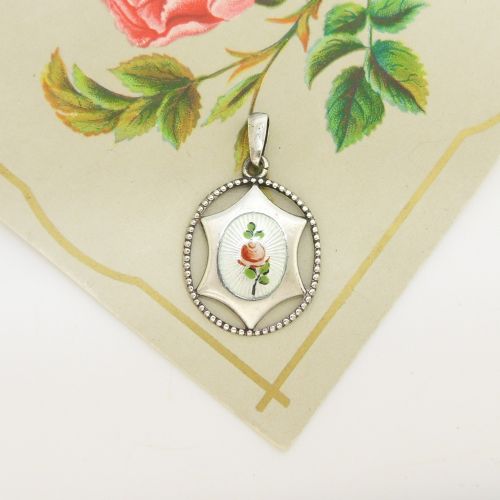
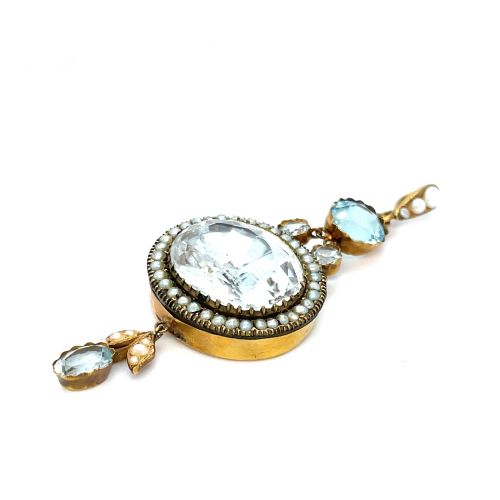
Enamelling techniques such as guilloche added vibrant colour to silver and gold shields, while foil backs enhanced the depth of aquamarines, rock crystals and amethysts. Hand engraving created patterns on curb chains, crosses and heart lockets.
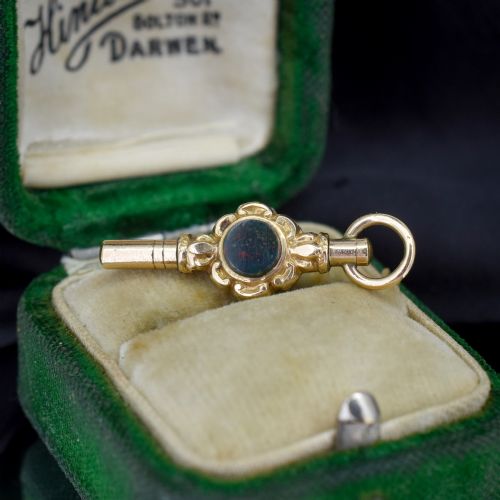
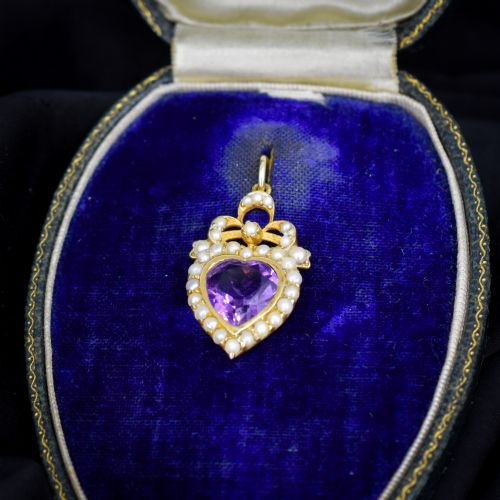
Stones including turquoise, garnets, bloodstone, citrine and jade were bezel-set or mounted into rings, fobs and pendants alongside seed pearls and natural pearls.
Listings span the Victorian, Edwardian, Art Nouveau, Art Deco and mid-century periods, using 9ct gold, silver, enamel and paste.
What varies in quality
Quality rests on the crispness of hand engraving, the weight of the gold or silver, and the preservation of enamel work. Pieces with deep, clean chasing on padlocks and fobs stand apart from worn or shallowly stamped items.
The selection of stones and the precision of gem-setting also divide the standard range from finer work. Intricately detailed insect motifs with well-matched seed pearls and intact guilloche enamel represent the upper tier of craftsmanship.
Deakin & Francis
The Antique Jewellery Charm Glossary
- Fob
- A small ornament attached to a ribbon or chain, historically used with pocket watches but frequently worn as a pendant charm.
- Guilloche
- A decorative engine-turned technique applied to metal beneath translucent enamel, creating geometric patterns.
- Paste
- Hand-cut glass or lead crystal used as a gemstone simulant in antique jewellery.
- Padlock charm
- A small locking mechanism shaped like a padlock, often engraved and used as a clasp or dangling charm on bracelets.
- Puffy heart
- A hollow charm made from two stamped convex metal halves soldered together to form a dimensional heart.
Antique Jewellery Charm: Frequently Asked Questions
What is an antique jewellery charm?
An antique jewellery charm is a small decorative object designed to hang from a bracelet or necklace, often taking the form of a padlock, locket, animal or seal.
These pieces were produced in gold and silver during the Victorian, Edwardian and mid-century periods as personal keepsakes.
How do I wear a charm pendant?
Charm pendants can be suspended from short or long chains around the neck or added to link bracelets and bangles.
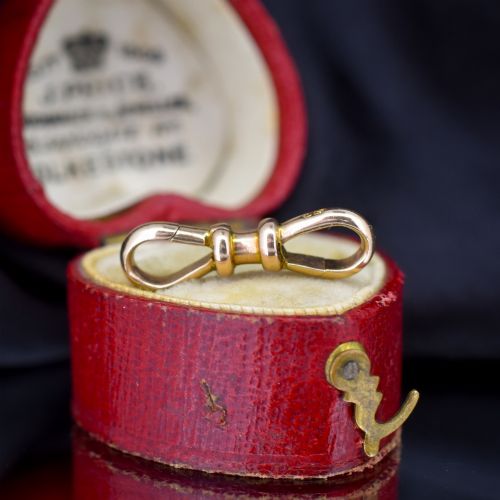
Many examples feature secure jump rings or spring clips for easy attachment to existing jewellery.
How do I identify Victorian charms?
Victorian charms often feature heavier gold standards such as 15ct, alongside motifs like engraved hearts, bloodstone seals and seed pearl insects.
Hallmarks and date letters, particularly from British assay offices like Birmingham, help confirm the exact period of manufacture.
What materials are used in these charms?
The pieces utilise 9ct, 14ct, 15ct and 18ct yellow and rose gold, sterling silver, and platinum alongside genuine and paste gemstones.
Accents of enamel, seed pearls, mother-of-pearl and coral frequently appear across Victorian and Edwardian designs.