


Antique Japanese Print
An antique japanese print brings centuries of graphic mastery into a room, offering striking woodblock design and delicate pigment.
Antique Japanese Print
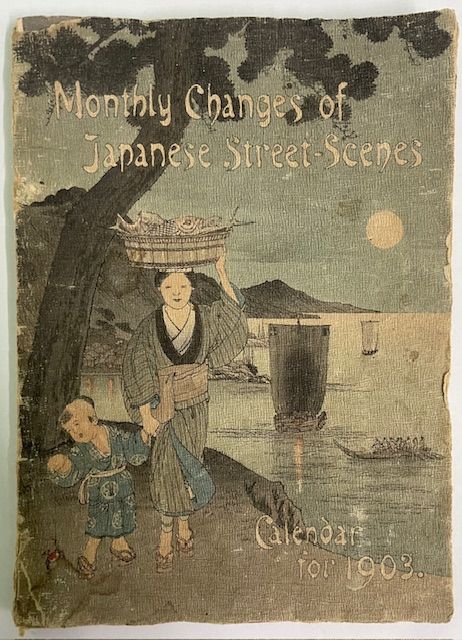
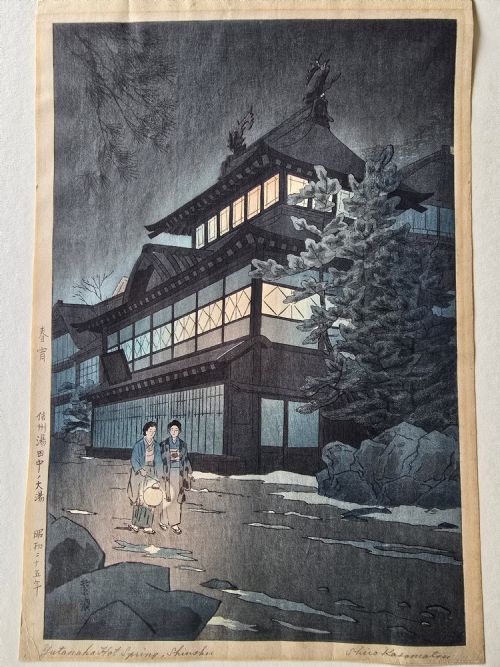
An antique japanese print encompasses traditional woodblock works created across the nineteenth and early twentieth centuries. These pieces frequently depict figures such as geisha and warriors, alongside botanical and bird studies.
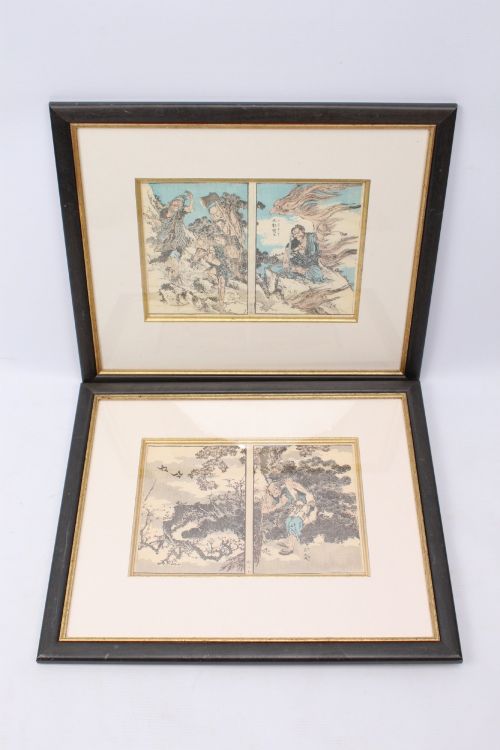
Buyers regularly encounter framed woodblock prints carrying styles that span ukiyo-e, Edo period traditions, and Edwardian illustration. Many of these historical sheets arrive presented in rosewood frames with silk brocade mounts.
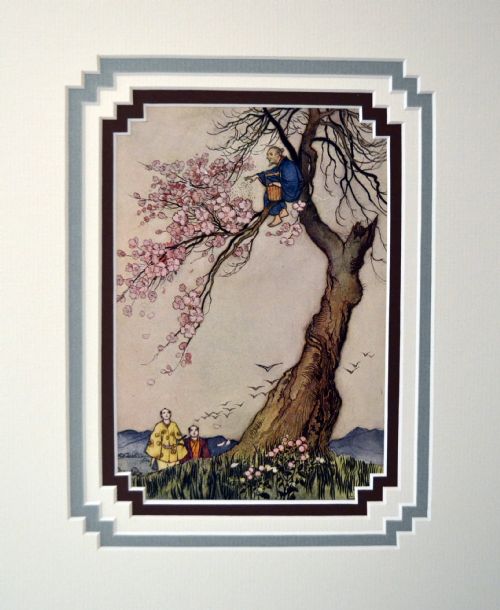
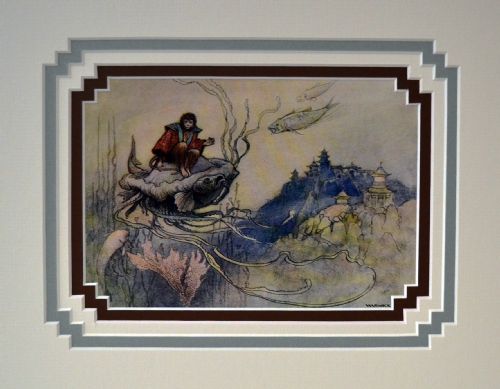
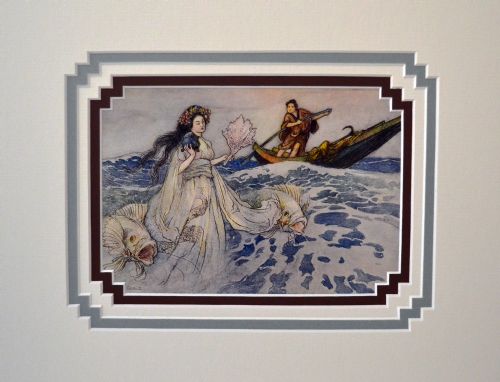
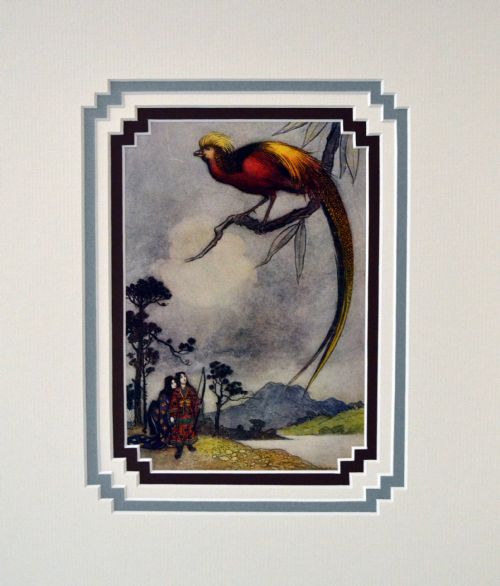
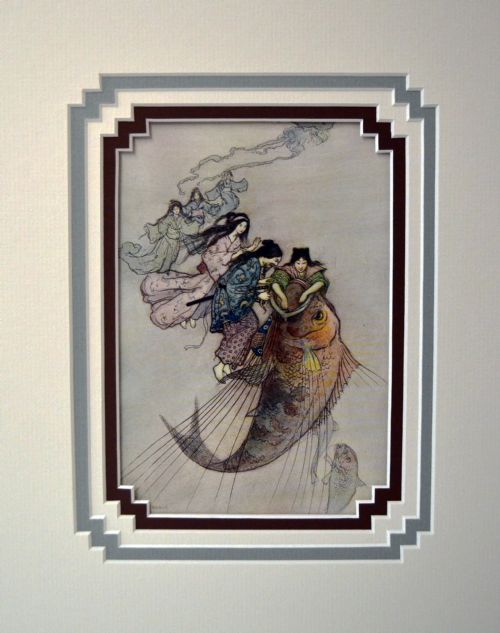
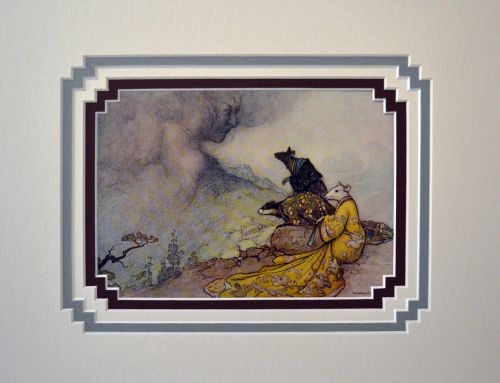
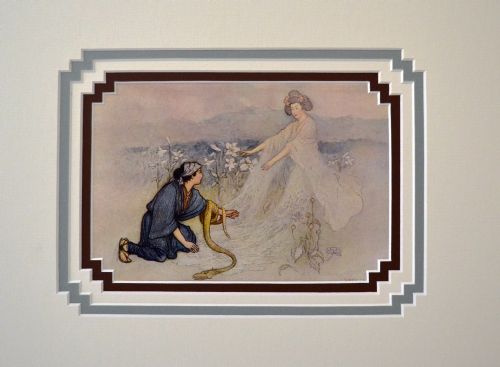
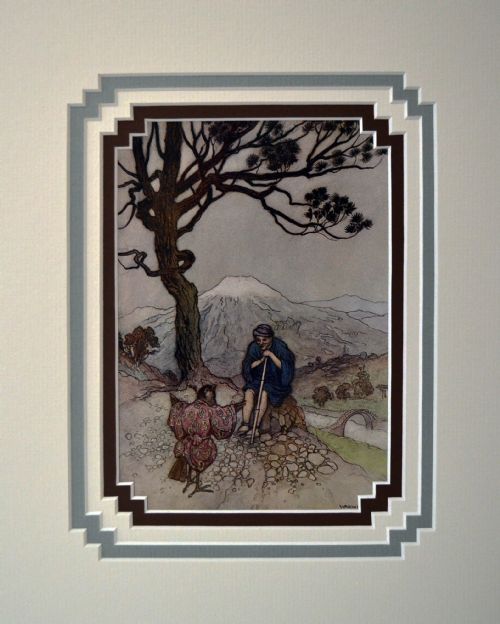
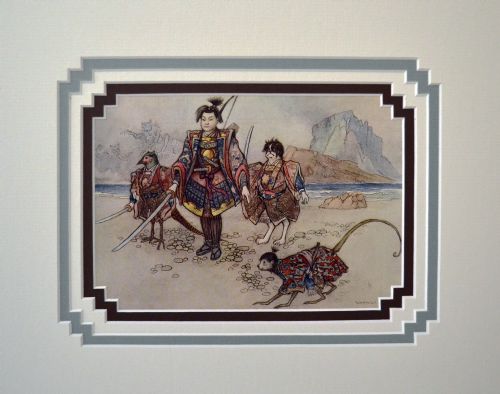
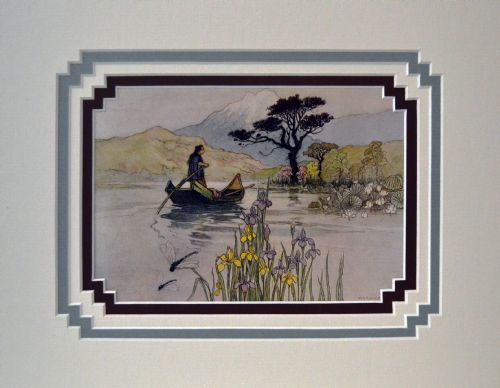
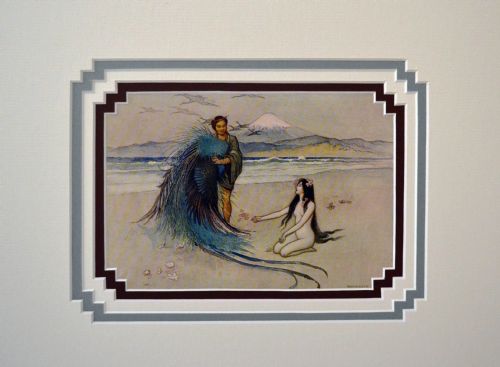
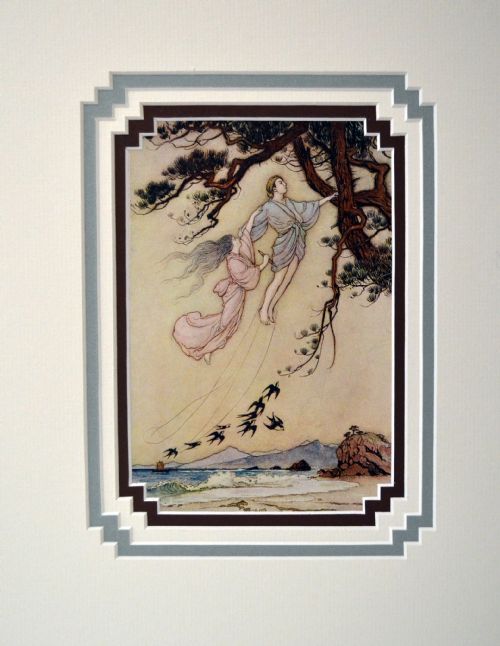
Examples on this page include works by noted designers such as Hokusai, Utamaro, Kunisada, and Warwick Goble. Collectors also find series covering fairy tales and lunar subjects.
Assessing quality and execution
Quality rests upon the crispness of the carved line and the preservation of the original ink tones across the paper. Strong impressions reveal the intricate detail intended by the designer.
The choice of framing materials and the integrity of the original paper surface influence the overall character of the piece. Intact silk brocade mounts and period wood frames enhance the presentation.
Antique Japanese Print Retail Price Guide 2026
Typical asking prices for japanese print among the pieces listed under this phrase on Sellingantiques today, from the lower quarter to the upper quarter. They describe what is for sale here now, not the wider market.
Materials recorded across the listings include paper, ink, wood, glass, card, and silk brocade.
Warwick Goble·Kitagawa Utamaro·Kono Bairei·Tsukioka Yoshitoshi·Hasegawa Sadanobu I
The Antique Japanese Print Glossary
- Ukiyo-e
- Pictures of the floating world, denoting the genre of Japanese woodblock prints depicting scenes of urban life and kabuki actors. This style heavily influenced Western artists during the late nineteenth century.
- Woodblock print
- An image created by carving a design into a wooden block, applying ink, and pressing it onto paper. This technique allowed multiple impressions to be produced.
- Edo Period
- The historical Japanese era spanning from sixteen hundred and three to eighteen hundred and sixty-eight. Works originating from this time often showcase traditional cultural subjects.
- Mountboard
- Heavy paperboard used behind or around a print to support and frame the artwork. It keeps the paper flat within the enclosing glass.
Antique Japanese Print: Frequently Asked Questions
What subjects do these prints show?
The subjects range from elegant female figures and geisha to male warriors and detailed bird studies. Botanical compositions and fairy tale illustrations also appear frequently in the selection.
Certain series focus on specific themes, such as lunar aspects or goldfish. Each subject reflects the cultural and artistic interests of its period of origin.
How should I frame and display them?
Displaying these works requires protection behind glass to shield the paper from environmental moisture and light. Many period pieces arrive ready to hang in traditional rosewood frames.
Keeping them away from direct sunlight preserves the original ink pigments. Silk brocade mounts often complement the aesthetic of the framed artwork.
Are these prints original period pieces?
The selection includes original nineteenth-century woodblock impressions and early twentieth-century first edition prints. Historical editions capture the authentic techniques of traditional printmakers.
Details such as paper texture and ink absorption help distinguish authentic period examples. Specific works are attributed to recognised artists of the era.
What periods do the prints date from?
The listings span the nineteenth century, the Edo period, and the Edwardian era up to nineteen hundred and ten. Victorian framing and mounting styles also accompany many of the sheets.
Each period brings distinct characteristics in paper quality and illustrative style. This chronological range covers both traditional Japanese output and early Western interpretations.