







Antique Japanese Lacquer Panel
An antique japanese lacquer panel brings profound depth and meticulous handcraft into a room, offering rich textures developed over centuries.
Antique Japanese Lacquer Panel
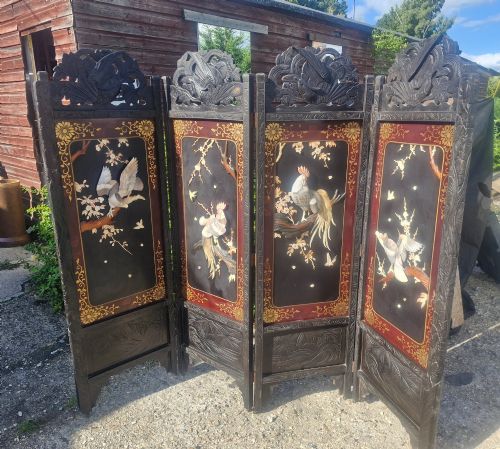
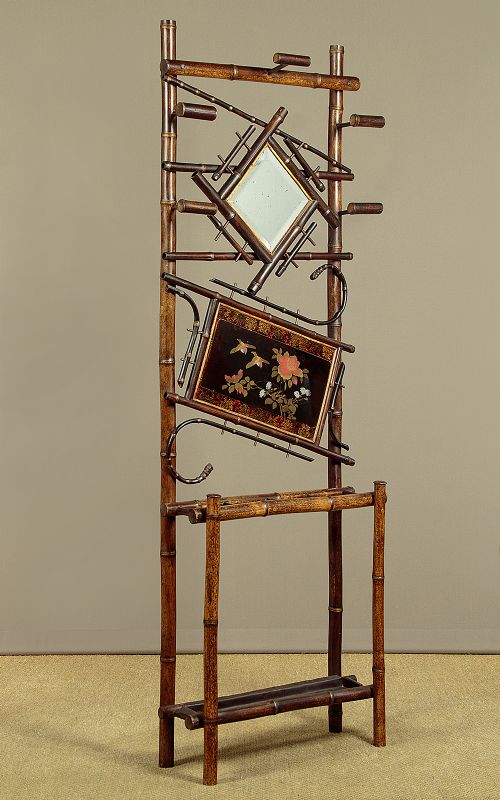
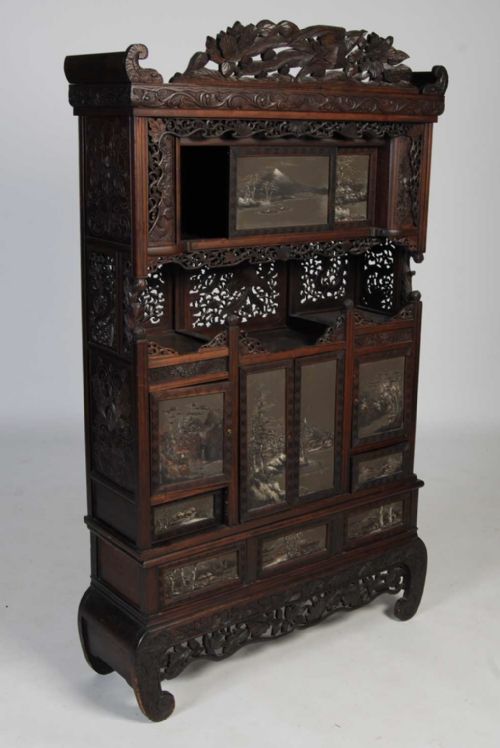
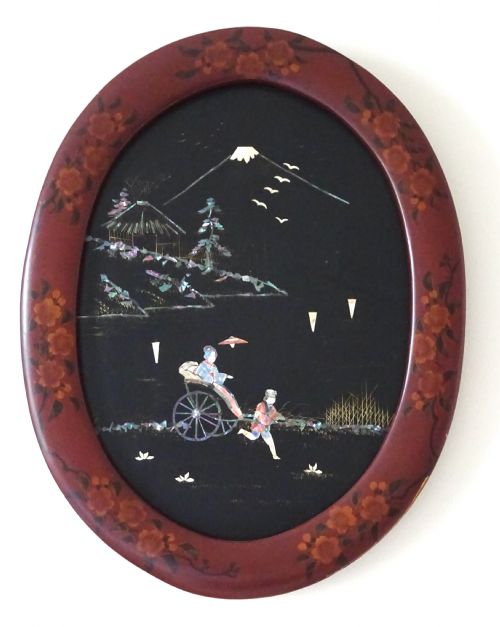
When you search for an antique japanese lacquer panel, you encounter decorative surfaces integrated into folding screens, wall plaques, table screens, and furniture such as display cabinets and hall stands.
The pieces appearing on this page span the nineteenth century through the early twentieth century, incorporating Meiji period aesthetics alongside Victorian interpretations and Aesthetic Movement furniture.
You are most likely to meet multi-fold screens and hanging panels featuring detailed surface decoration, combining traditional lacquer work with applied elements and woodwork.
How they were made
Maker workshops built these works using wooden foundations coated in successive layers of lacquer, forming a durable and glossy ground for further ornamentation.
Artisans applied carved bone, ivory alternatives, and metal elements to create high-relief figures and natural motifs across the dark lacquer surfaces.
Cabinet makers and screen mounters integrated silk textiles, painted details, and bamboo or hardwood framing to complete the structural forms.
Antique Japanese Lacquer Panel Retail Price Guide 2026
Typical asking prices for japanese lacquer panel among the pieces listed under this phrase on Sellingantiques today, from the lower quarter to the upper quarter. They describe what is for sale here now, not the wider market.
Listings feature items dated across the nineteenth and early twentieth centuries, spanning from eighteen sixty to nineteen thirty.
What varies in quality
The distinction between standard commercial output and superior craftsmanship lies in the depth of the lacquer buildup and the precision of the carved details.
Inlaid elements such as bone figures demonstrate greater artistry when expressions, hand positions, and botanical veins possess realistic definition rather than rigid symmetry.
The integration of secondary materials, from hardwood frames to mounted roundels, dictates whether a piece remains a unified artistic statement or a simple assembly of parts.
Iida Takashimaya Company
The Antique Japanese Lacquer Panel Glossary
- Lacquer
- A durable varnish derived from tree sap, applied in numerous coats to wooden surfaces to create a smooth, polished finish. It resists moisture and provides a deep lustrous ground for artistic inlay.
- Shibayama
- A decorative technique involving minute inlays of shell, bone, ivory, and metals set into a lacquer or wood base. This method creates intricate pictorial scenes of flora, fauna, and figures.
- Meiji Period
- The era of Japanese history spanning from eighteen sixty-eight to nineteen twelve, characterised by increased international trade and exceptional decorative arts production. Works from this period often display extraordinary technical refinement.
- Shodana
- A traditional Japanese tabletop display cabinet featuring staggered shelving and cabinet doors adorned with panels. These pieces served to showcase small scholarly objects and precious items.
- Aesthetic Movement
- A nineteenth-century British cultural trend that championed art for art's sake and drew heavy inspiration from Japanese design principles. Furniture from this movement frequently incorporates bamboo framing and lacquered panels.
Antique Japanese Lacquer Panel: Frequently Asked Questions
How were folding screens used?
Folding screens served as portable room dividers to create private spaces within larger rooms, block drafts, or provide a dramatic decorative backdrop.
Their multi-panel hinged construction allowed owners to adjust their configuration to fit different spaces and lighting conditions.
Where should I place a panel?
These panels suit rooms where they can be mounted securely on walls or positioned away from direct sunlight to protect the lacquer finish.
Placing them in hallways, studies, or living areas allows the carved bone and dark surfaces to contrast effectively against neutral walls.
How do I date these pieces?
Dating relies on examining the framing styles, hardware, and structural integration of the lacquer work within furniture or screen formats.
Nineteenth-century examples often reflect Meiji period techniques, while later pieces from the early twentieth century show shifts in cabinet construction and decorative motifs.
What is a shodana cabinet?
A shodana is a small decorative display cabinet featuring asymmetric shelving compartments and doors embellished with lacquer panels.
They were designed for interior display, holding small curiosities and demonstrating the high level of joinery and surface art typical of the period.