
Antique Japanese Figure
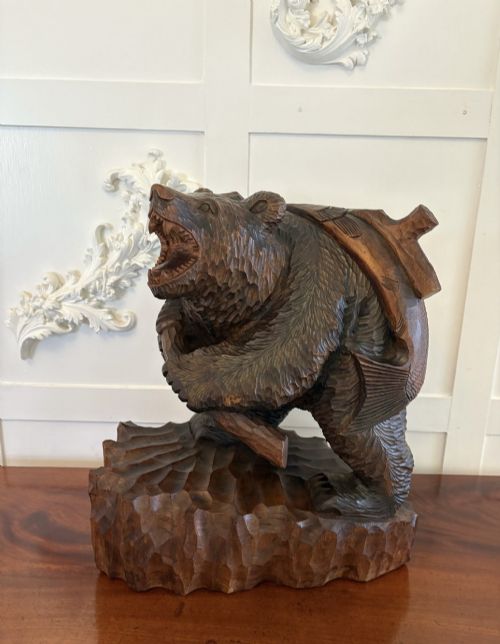
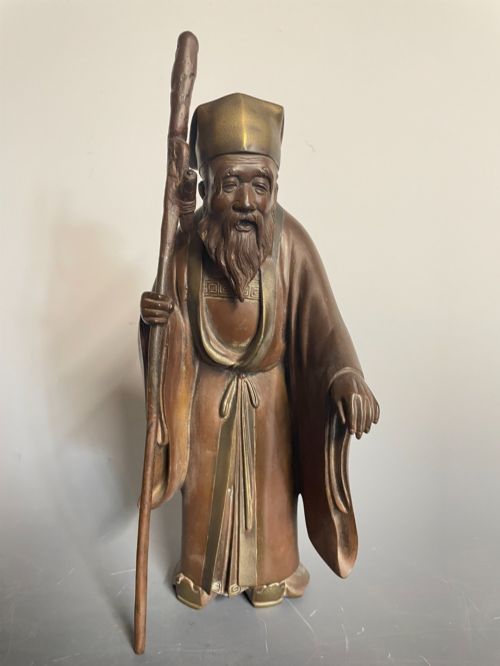
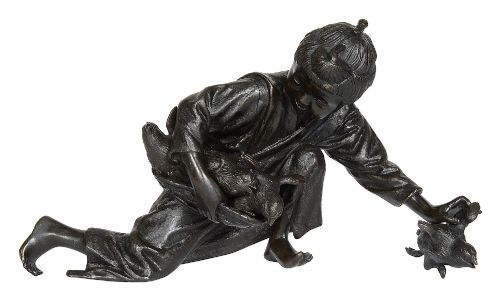
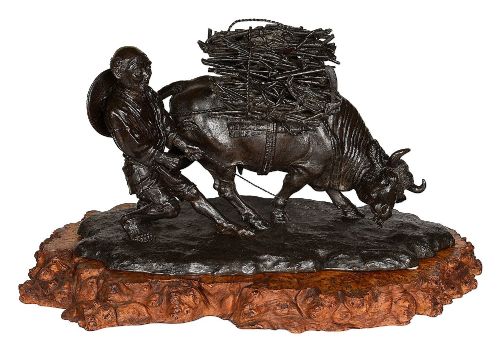
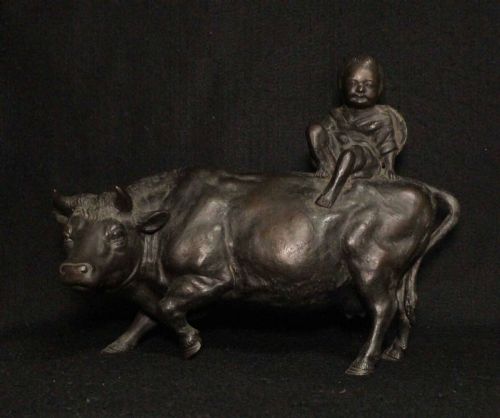
When you search for an antique japanese figure, you meet bronze okimono, carved wooden bears, and glazed pottery sculptures from the late nineteenth and early twentieth centuries.
Antique Japanese Figure
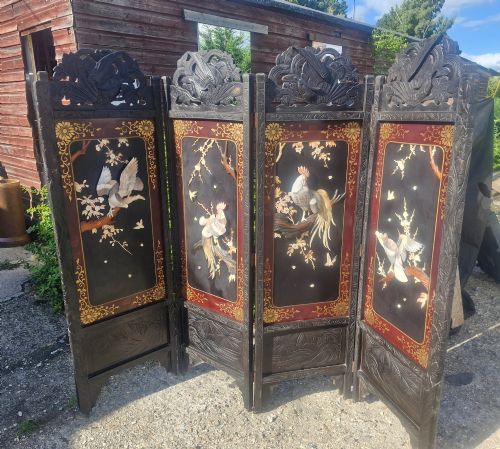
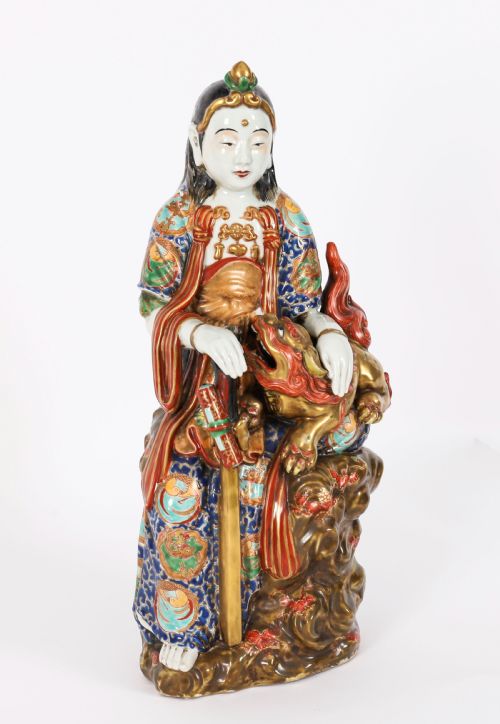
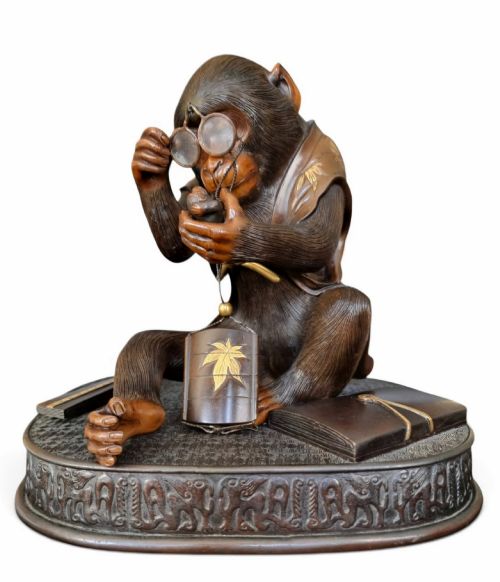
An antique japanese figure encompasses bronze okimono, porcelain deities, carved wooden animals, and earthenware pottery vessels decorated with human and animal forms. These works span the Meiji, Taisho, and early Showa periods, originating from traditional craft centres across Japan.
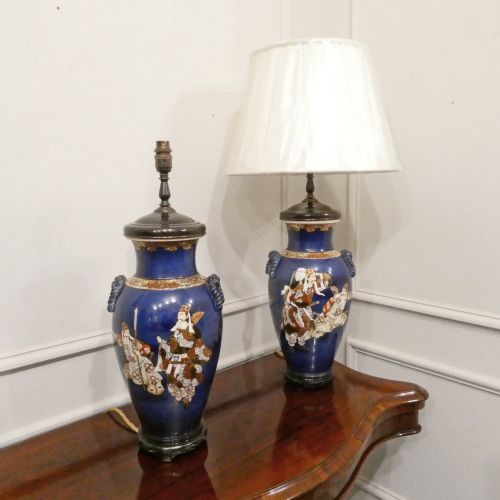
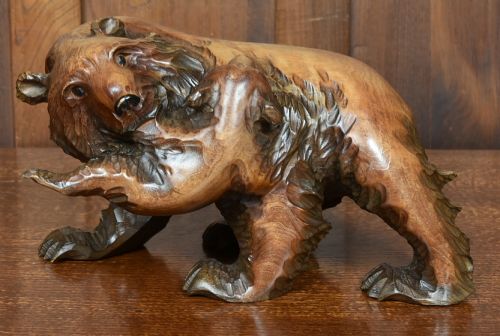
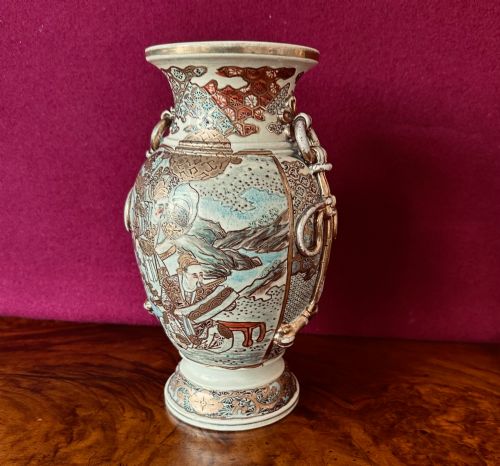
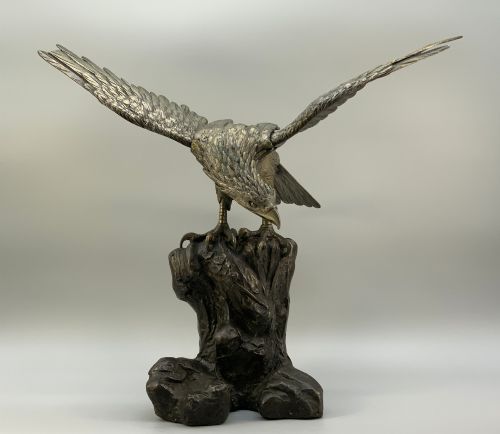
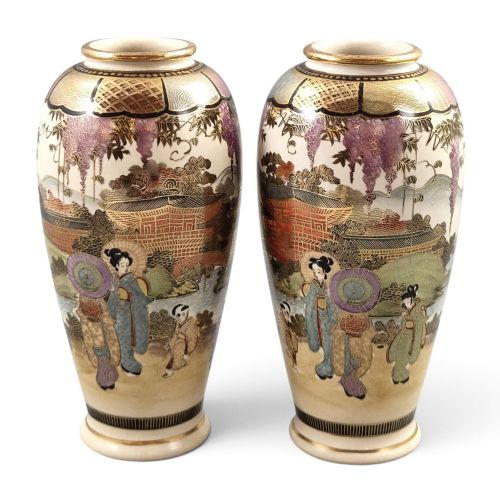
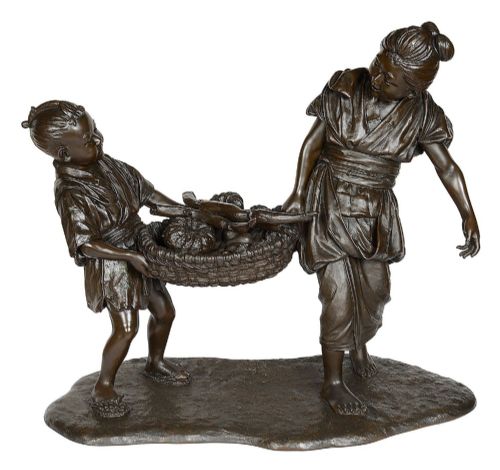
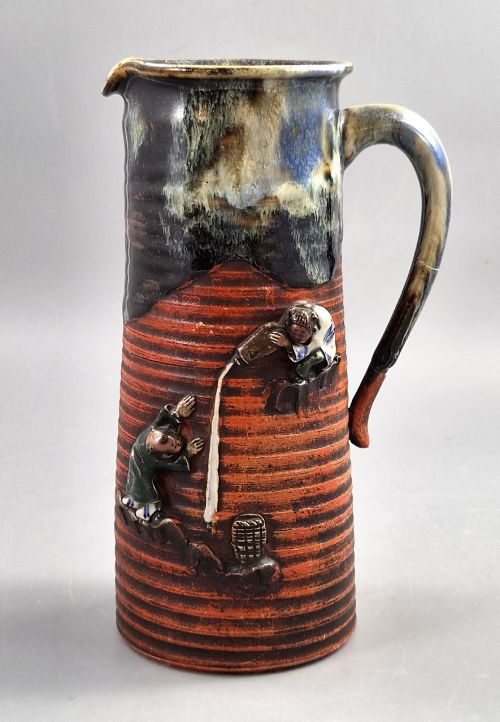
The most common examples on this page include patinated bronze sculptures of birds, animals, and figures engaged in daily labour, alongside Satsuma and Sumida Gawa ceramic pieces featuring applied relief figures. Collectors also encounter wooden folk art bear carvings known as kibori kuma from the northern regions.
Makers and artists produce these objects for both domestic display and export markets, utilising traditional casting, carving, and glazing methods that reflect the aesthetic shifts of the late nineteenth and early twentieth centuries.
How they were made
Metalworkers cast bronze figures using lost-wax techniques, often applying complex patination and mixed-metal inlay to create fine surface details on okimono and animal sculptures.
Potters shape earthenware, porcelain, and stoneware bodies by hand or on the wheel, finishing them with crackle glazes, flambe effects, and polychrome enamel painting before applying moulded relief figures.
Object forms include bronze okimono, Sumida Gawa pitchers, Satsuma table lamps, Arita figures, and carved wooden bears.
What varies in quality
The degree of anatomical precision and the subtlety of the surface patination distinguish superior bronze okimono from standard production pieces, while clarity in carved wood grain defines finer folk art carvings.
Ceramic quality rests in the execution of the hand-painted enamels, the control of the flambe glaze effects, and the crispness of applied relief figures on Sumida Gawa and Satsuma wares.
Inoue Ryosai·Kunio Ito·Tsunemitsu·Shozan·Ban-ni
The Antique Japanese Figure Glossary
- Okimono
- A Japanese ornamental statue or object for display, typically placed in a tokonoma alcove. These small-scale sculptures depict animals, deities, and genre scenes.
- Satsuma
- A type of Japanese earthenware originating from Satsuma Province, featuring a pale, ivory-coloured cracked glaze decorated with polychrome enamels and gold leaf.
- Sumida Gawa
- A style of Japanese art pottery characterised by heavily potted bodies, distinctive flambe glazes, and modelled figures climbing in high relief along the rims and sides.
- Kibori Kuma
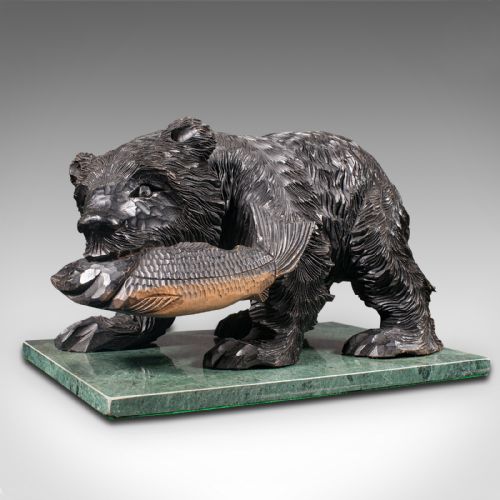
- A traditional carved wooden bear sculpture from Hokkaido, often depicted carrying a salmon in its jaws as a prominent example of Japanese folk art.
- Meiji Period
- The era in Japanese history spanning from 1868 to 1912, marked by the opening of trade with the West and a flourishing of decorative arts for export.
Antique Japanese Figure: Frequently Asked Questions
What is an okimono figure?
An okimono is a standalone decorative sculpture designed for display in a home interior rather than for religious worship. These pieces represent animals, mythical beings, and everyday characters.
Craftsmen created them in bronze, ivory, wood, and ceramic during the late nineteenth and early twentieth centuries for both domestic appreciation and the Western export market.
How do I identify Satsuma pottery?
Satsuma wares are recognised by their characteristic warm, ivory-coloured earthenware body covered in a fine network of transparent crackle glaze. Artisans decorated these surfaces with detailed enamel patterns and gold leaf.
Most examples date from the Meiji period and feature figurative scenes of historical figures, court ladies, or deities.
How should I display antique bronzes?
Antique Japanese bronzes require stable environmental conditions away from direct sunlight and high humidity to preserve their patination. Place them on sturdy furniture where their tactile surfaces can be examined closely.
Dust them gently with a soft, dry brush and avoid applying commercial metal polishes that can damage the original finish.