



Antique Jam Spoon
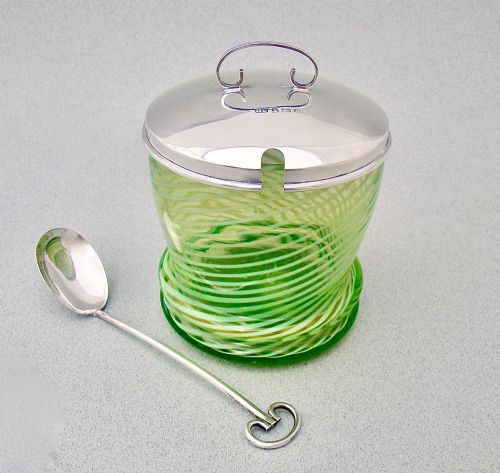
An antique jam spoon is a small, dedicated utensil designed for preserve service, offering the right bowl depth and length for jars.
Antique Jam Spoon
When you search for an antique jam spoon, you are looking at small utensils designed specifically to transfer fruit preserves from pot to plate. Most examples you meet on this page date from the Victorian and Edwardian periods, often appearing alongside butter knives and pickle forks in fitted cases.
The form typically combines a shallow, rounded bowl with a short handle suited to smaller preserve jars. You will find them cast in solid sterling silver or silver plate, sometimes paired with mother of pearl handles or accompanying cut glass jam pots.
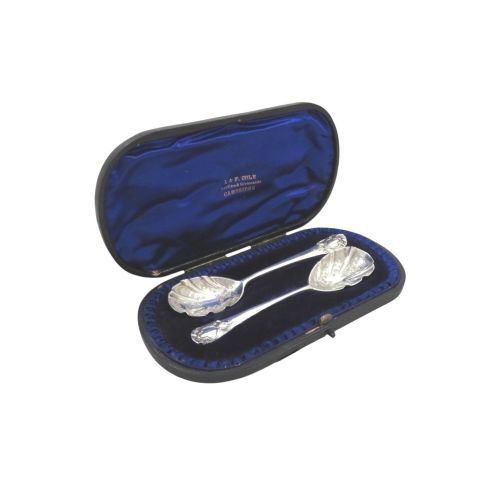
Many of these pieces arrive individually or in matched pairs, while others form part of larger boxed cutlery sets intended for formal dining tables. The presence of provincial hallmarks or specific maker marks helps date each piece to the turn of the twentieth century.
How they were made
Silversmiths utilised sterling silver and silver plate for the bowls and handles, often working with Sheffield or London standards. Mother of pearl was frequently shaped into smooth, slender handles and secured to metal shafts.
Cut glass and cranberry glass were blown and faceted to create matching preserve pots and dishes, mounted with silver rims or collars. Brass and velvet occasionally appeared in related stands and presentation boxes.
Antique Jam Spoon Retail Price Guide 2026
Typical asking prices for jam spoon among the pieces listed under this phrase on Sellingantiques today, from the lower quarter to the upper quarter. They describe what is for sale here now, not the wider market.
Some Edwardian jam spoons shared boxes with bread forks, suggesting breakfast tables were once battlegrounds of sticky spreads.
What varies in quality
The standard of an antique jam spoon rests on the weight of the silver and the crispness of any engraved or chased decoration on the bowl. Heavier gauge metal resists bending during use and sits more comfortably in the hand.
Attention to detail in the joinery, particularly where mother of pearl handles meet silver collars, separates standard production items from finer workshop pieces. Intact fitted leatherette cases with original velvet linings also elevate the standing of a cased set.
Georg Jensen·James Dixon·William Jamieson·Stephen Adams
The Antique Jam Spoon Glossary
- Sterling silver
- A silver alloy containing 92.5 percent pure silver by weight, widely utilised for British flatware. It carries hallmarks to verify its metallic standard and origin.
- Silver plate
- A base metal substrate coated with a thin layer of silver, offering the appearance of solid silver at a different cost. Many Edwardian preserve sets utilised this technique.
- Cranberry glass
- A rich red glass coloured with gold chloride, popular for Victorian and Edwardian tableware. It frequently forms the bowls of preserve dishes paired with silver spoons.
- Mother of pearl
- The iridescent internal layer of pearl oyster shells, carved into smooth flat handles for nineteenth-century cutlery. It requires careful handling due to its natural grain.
- Hallmark
- An official stamp applied to precious metals in Britain to indicate maker, assay office, and year of testing. These marks provide definitive dating evidence for collectors.
Antique Jam Spoon: Frequently Asked Questions
What is an antique jam spoon used for?
An antique jam spoon serves to portion fruit preserves and jams from a pot onto an individual plate. The shallow bowl prevents fruit chunks from sliding off while fitting easily through narrow jar necks.
These pieces were standard additions to Victorian and Edwardian breakfast and tea tables. They remain practical tools for modern table settings involving artisan preserves.
How do I date an antique jam spoon?
Dating relies heavily upon the stamped hallmarks found on silver pieces, which indicate the assay office and year of manufacture. Stylistic clues, such as Art Nouveau or Arts and Crafts motifs, also point to specific decades around nineteen hundred.
Cased sets often retain interior retailer stamps that help narrow down the period of production. Comparing the shape of the bowl and handle style against documented nineteenth-century flatware patterns provides further confirmation.
Are jam spoons silver or silver plate?
Examples appear in both solid sterling silver and silver plate depending on the manufacturer and intended market. Solid silver pieces bear official hallmarks indicating purity, while plated items typically show maker marks denoting base metal construction.
Both materials were widely utilised during the Victorian and Edwardian eras. Weight and metal colour generally distinguish solid silver from plated alternatives upon close inspection.
Why do some jam spoons have mother of pearl handles?
Mother of pearl handles offered a decorative contrast to polished silver bowls during the nineteenth century. The smooth, iridescent material was carved and pinned to the metal shank of the utensil.
Such handles appeared frequently on preserve spoons, butter knives, and pickle forks intended for cased cutlery sets. They provided a lighter grip and a distinct visual appeal suited to formal dining.