




Antique Jade Ornament
An antique jade ornament brings tangible history to a room, offering the subtle sheen of nephrite and jadeite carved into enduring forms.
Antique Jade Ornament
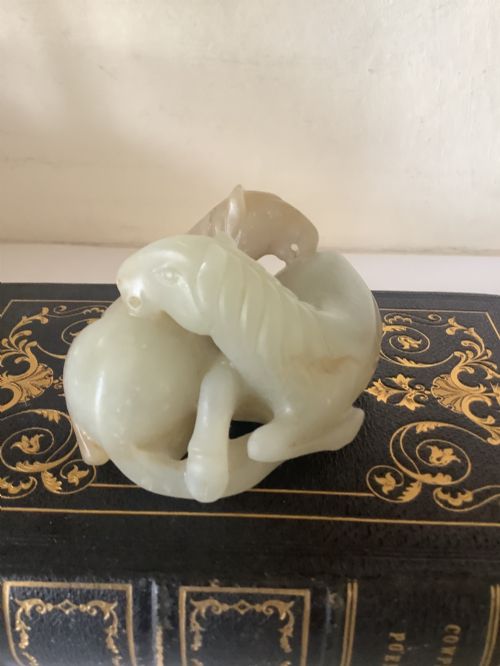
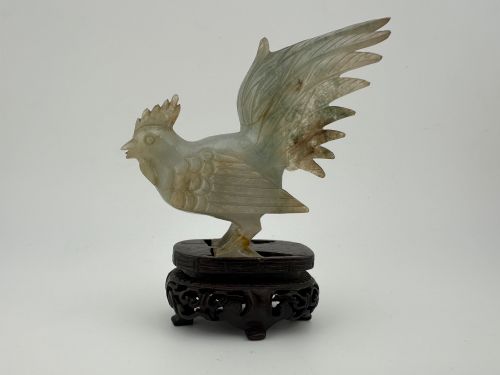
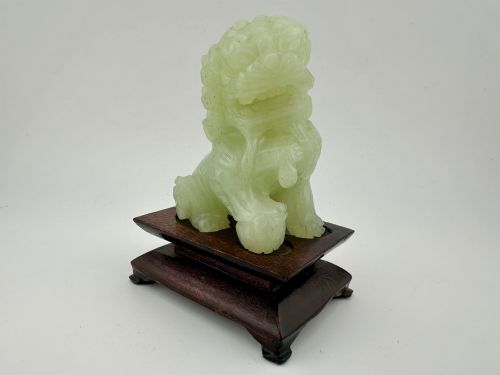
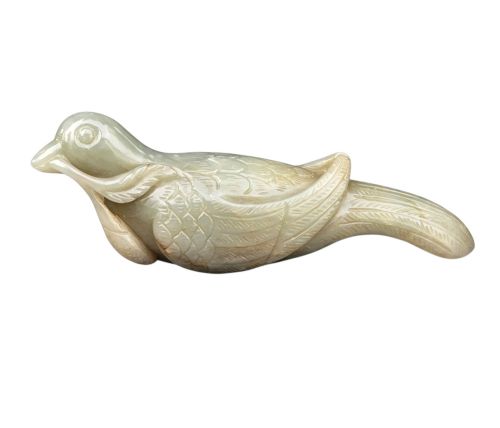
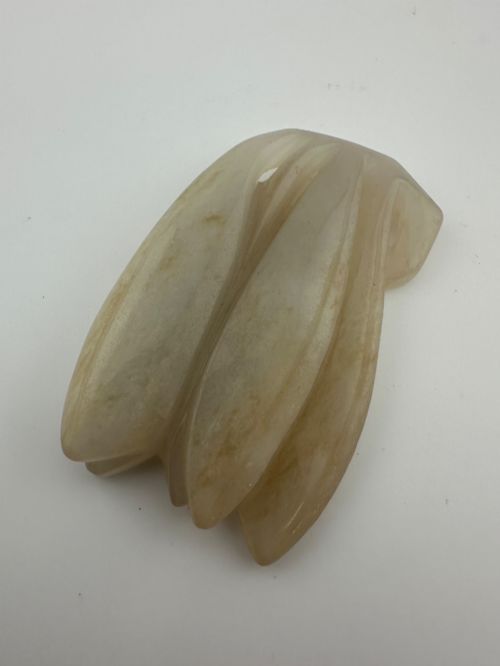
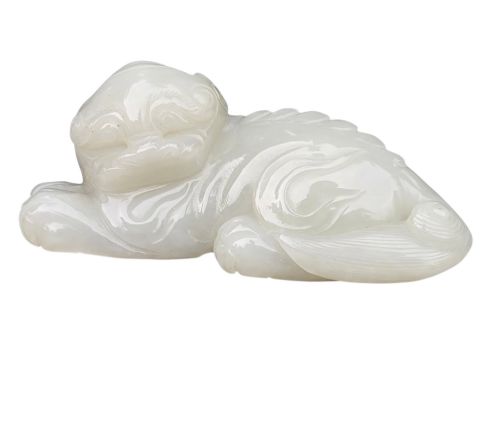
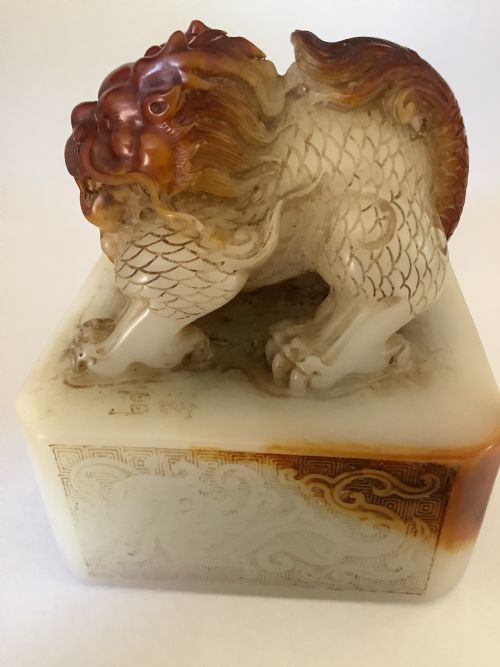
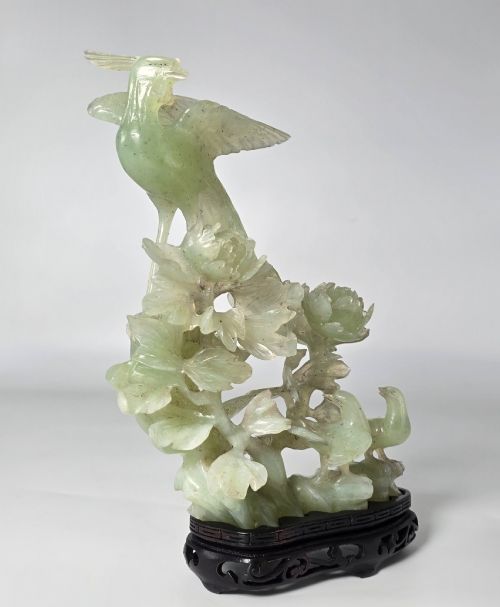
Every antique jade ornament embodies a rich tradition of Chinese lapidary work, spanning periods from the late eighteenth century through the Republic era. Buyers encounter diverse decorative objects, ranging from sculptural figures of mythical beasts and water birds to functional scholar’s pieces like brush washers and cups.
The historical timeline covers Qing Dynasty creations alongside pieces from the Chinese Republic Period, each displaying distinct stylistic interpretations of traditional subjects such as dragons, cockerels, and lotus motifs.
Materials and technique
Lapidary artisans utilised tough mineral varieties, specifically nephrite jade and jadeite, which resist conventional cutting tools and demand patient abrasion techniques. Workshops employed abrasive sands and rotating points to shape the dense stone into intricate motifs without fracturing the material.
Many sculptural carvings incorporate contrasting elements, pairing the polished jade with carved hardwood stands designed specifically to support the contours of the stone. Artisans also combined jade with silver enamelling on select decorative items to accentuate the primary mineral.
Antique Jade Ornament Retail Price Guide 2026
Typical asking prices for jade ornament among the pieces listed under this phrase on Sellingantiques today, from the lower quarter to the upper quarter. They describe what is for sale here now, not the wider market.
Listings feature items dated across the eighteenth, nineteenth, and twentieth centuries, utilising jade, nephrite, jadeite, and hardwood.
Factors of quality
The refinement of the carving defines the upper tier of these objects, distinguishing deep, fluid relief work from more static execution. Superior examples display meticulous attention to anatomical details in figures like horses, cockerels, and mythical beasts.
The natural tone and internal texture of the mineral significantly influence desirability, with pale celadon, uniform white jade, and well-integrated russet inclusions commanding attention. Compositional balance within the chosen form, whether a small pendant or a large mountain landscape, further separates exceptional work from standard production.
The Antique Jade Ornament Glossary
- Nephrite
- A dense, tough amphibole mineral that constitutes the primary material for traditional Chinese carvings. It differs chemically from jadeite but shares the same visual and tactile qualities prized by lapidary artisans.
- Hardstone
- A general term applied to semi-precious decorative minerals used in carving alongside true jade. It encompasses materials with similar hardness that require comparable abrasive techniques to shape.
- Pixiu
- A mythical winged celestial creature frequently depicted in Chinese carving. These figures often appear as ornaments or pendants intended to attract wealth and ward off misfortune.
- Republic Period
- The era in Chinese history following the fall of the Qing Dynasty in nineteen eleven. Carvings from this time maintain traditional motifs while reflecting evolving aesthetic preferences.
Antique Jade Ornament: Frequently Asked Questions
How are antique jade ornaments displayed?
Many larger sculptures and scholar's objects are designed to rest upon custom-carved hardwood stands that complement their specific contours. Smaller items like pendants or plaques are typically displayed flat or mounted securely within cabinet collections.
Placing them away from direct, intense heat sources helps protect the natural mineral and any associated organic components like fitted wooden mounts.
What subjects typically appear on these carvings?
Common motifs include mythical creatures such as foo dogs, dragons, and pixiu, alongside natural subjects like horses, cockerels, fish, and lotus flowers. Scholars' items often incorporate landscape scenes or functional vessels.
These traditional subjects reflect centuries of cultural symbolism tied to wisdom, prosperity, and the natural world.
How do Qing and Republic pieces differ?
Qing Dynasty pieces often display deep, intricate relief work associated with imperial tastes, utilising pale celadon and white jade for scholarly objects and elaborate ornaments. Republic Period items frequently continue these traditional motifs while adopting slightly more accessible forms.
Both periods employ rigorous abrasion techniques, though stylistic nuances help specialists distinguish the working methods of different decades.
What is the difference between jade and hardstone?
True jade specifically refers to nephrite or jadeite minerals with a distinct fibrous micro-structure and high toughness. Hardstone is a broader category that includes other dense, decorative semi-precious stones worked by lapidaries.
Both materials share similar carving histories and visual prominence in Chinese decorative arts.