




Antique Jade Figure
These antique jade figure carvings bring centuries of traditional Chinese craftsmanship into a room.
Antique Jade Figure
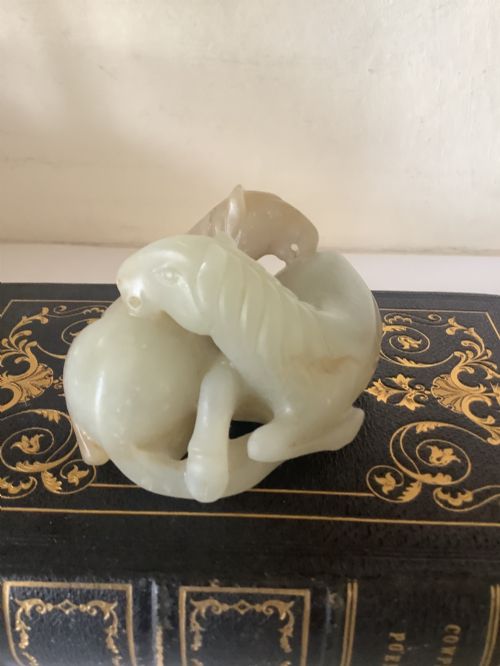
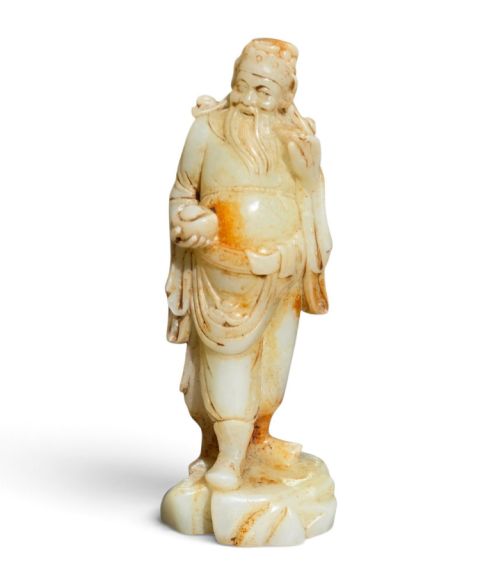
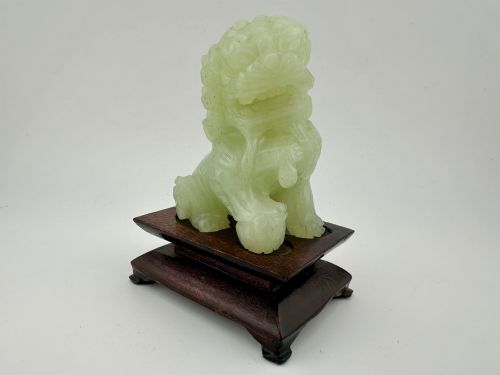
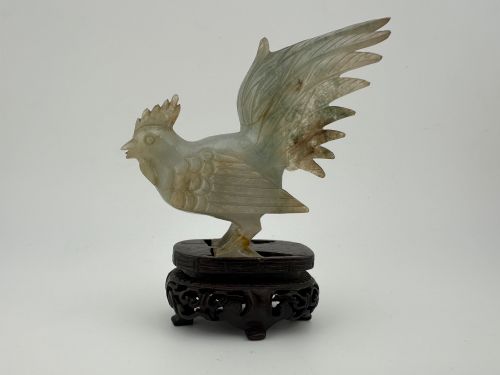
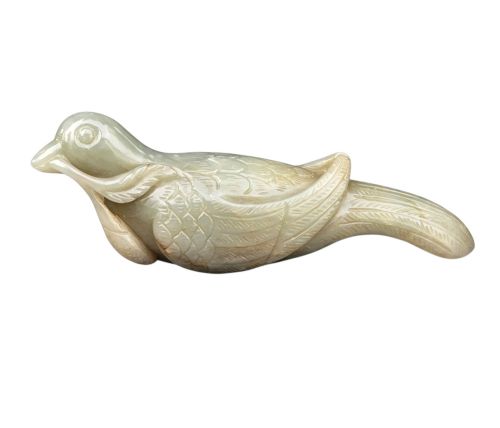
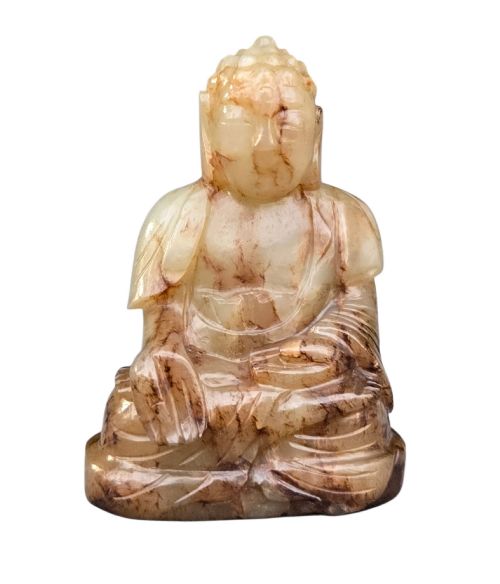
An antique jade figure encompasses hand-carved sculptures, mythical beasts, scholars and immortals originating from various historical periods including the Ming and Qing dynasties. Buyers searching for an antique jade figure will encounter representations of horses, cockerels, guardian lions, water birds and seated Buddhas, often accompanied by fitted hardwood stands.
The pieces on this page span from pre-sixteenth century works through to the nineteenth century and the Republic period. Forms range from monumental figural groups and water buffalo to delicate carvings of boys and dragons, reflecting centuries of lapidary tradition.
Materials and carving techniques
Carvers shaped these objects from nephrite and jadeite using traditional abrasive techniques, exploiting the natural colour variations within the stone. Pale celadon, russet inclusions and emerald green tones appear directly within the material, requiring immense skill to integrate into the final sculpture.
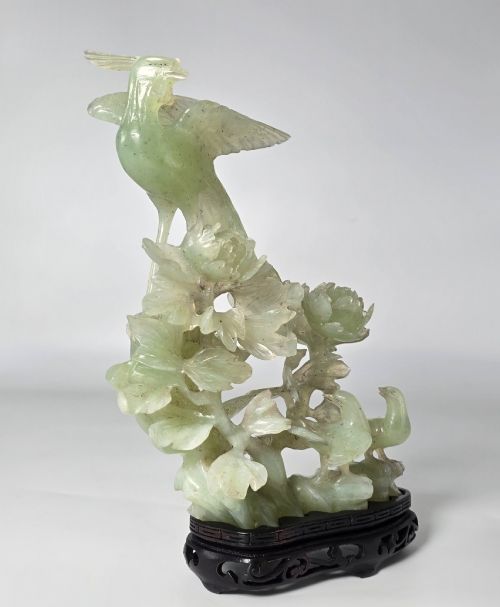
Many sculptures incorporate fitted wooden bases made from hardwoods, elevating the stone and providing stability. Additional elements such as mother-of-pearl inlay or gold mounts occasionally supplement the carved mineral.
Antique Jade Figure Retail Price Guide 2026
Typical asking prices for jade figure among the pieces listed under this phrase on Sellingantiques today, from the lower quarter to the upper quarter. They describe what is for sale here now, not the wider market.
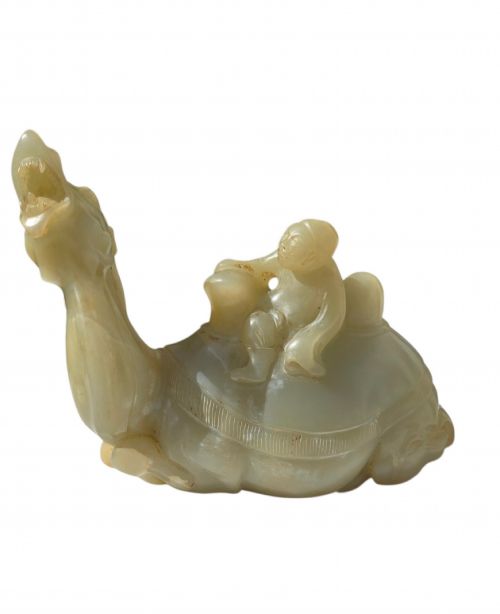
One remarkably specific stone carver decided an immortal needed a companion animal, immortalising a camel and its rider in solid serpentine.
Judging the carving and stone
Quality rests upon the fluency of the incision and the sensitivity with which the carver responds to the natural inclusions of the nephrite or jadeite. Superior examples display crisp definition in details like feathers, manes and facial expressions without losing the tactile smoothness characteristic of the mineral.
The depth of relief and the ambition of the composition also separate standard decorative objects from superior works. Mastery over difficult postures, such as multi-figure groups or animals with riders, denotes the hand of a more accomplished workshop.
The Antique Jade Figure Glossary
- Nephrite
- A dense, tough amphibole mineral used for the majority of traditional Chinese carvings. It ranges in colour from white and pale green to deep spinach.
- Jadeite
- A pyroxene mineral that yields brighter emerald greens and translucent qualities. It became particularly popular during the later dynasties.
- Celadon
- A pale grey-green glaze or jade colour resembling sea-green ceramics. This tone is highly prized in scholarly carvings.
- Qing Dynasty
- The final imperial dynasty of China, spanning from sixteen-fourteen to nineteen-twelve. Many surviving carvings originate from this prolific period of lapidary work.
- Ming Dynasty
- The ruling period between fourteen-thirty-six and sixteen-forty-four noted for robust and powerful figural sculptures. Pieces from this era often show deep, confident cutting.
Antique Jade Figure: Frequently Asked Questions
How do I care for antique jade figures?
Keep the stone away from sudden temperature shifts and harsh chemical cleaners. A soft, dry cloth is sufficient to remove dust from the surface.
Wooden stands require occasional treatment with suitable furniture wax to prevent drying out. Handle the carvings firmly, as protruding ears or limbs on animals can snap if dropped.
Are these figures from the Ming or Qing dynasty?
The listings include pieces attributed to both dynasties, alongside Republic period works and nineteenth-century examples. Stylistic markers and the depth of the stone cutting help indicate the likely era.
Earlier pieces often demonstrate heavier forms and broader incisions. Later nineteenth-century and Republic carvings introduce different levels of surface detail and varied mineral tones.
What is the difference between nephrite and jadeite?
Nephrite is an amphibole mineral with a fibrous structure that makes it extremely tough to break. It produces creamy whites, pale greens and russet tones.
Jadeite is a pyroxene mineral that tends to be more crystalline and translucent. It displays vibrant green, lavender and bright white colours.
Why do some figures have wooden stands?
Carved hardwood stands were custom-made to fit the irregular contours of individual stone sculptures. They elevate the piece and anchor compositions that might otherwise roll or sit unevenly.
These stands are integral to the presentation of traditional Chinese scholar's objects. They protect the base of the jade from friction against surfaces.