


Antique Ivory Carving
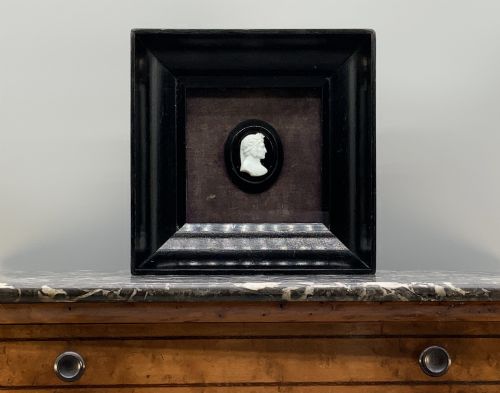
An antique ivory carving brings organic warmth and intricate detail into a room, offering small-scale sculpture, Netsuke, and portrait plaques from the eighteenth and nineteenth centuries.
Antique Ivory Carving
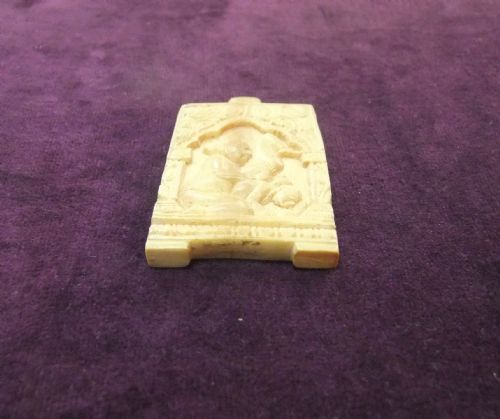
When you search for an antique ivory carving, you encounter diverse objects ranging from Japanese Netsuke and Chinese Export pieces to European portrait plaques and figures. The selection spans the eighteenth and nineteenth centuries, capturing distinct cultural styles from Meiji-era Japan to Georgian England and continental Europe.
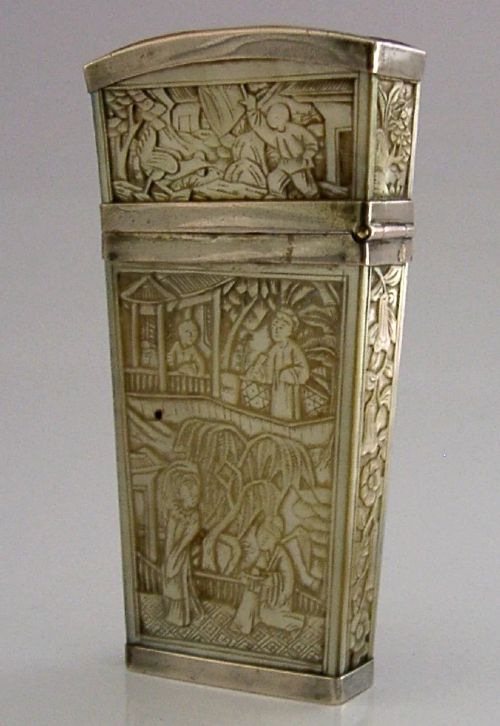
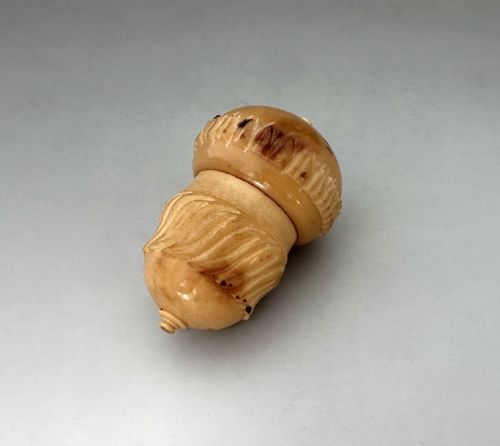
You are most likely to meet smaller decorative and personal items such as thimble cases, boxes, chess sets, and small sculptures rather than large architectural elements. These pieces reflect the versatile domestic and personal uses favoured by collectors across the Victorian and Edwardian periods.
The material itself dictates the scale, allowing carvers to achieve microscopic detail in miniature figures, portrait reliefs, and intricate box inlays. Each item demonstrates the remarkable skill required to shape organic material into enduring decorative and functional objects.
Materials and construction methods
Makers utilised organic materials such as elephant ivory, corozo nut, bone, and whalebone, often combining them with supporting elements of wood, walnut, silver, and ebony. This integration of secondary materials provided structural stability for boxes, easels, and furniture inlay.
Carvers employed specialised handheld gouges, chisels, and drills to achieve deep relief work, pierced ornamentation, and freestanding figures. The physical grain of the organic material required precise tool control to prevent splitting along natural lines.
Listings feature items from the eighteenth and nineteenth centuries, incorporating ivory, bone, corozo nut, walnut, and silver across diverse decorative forms.
Distinctions in craftsmanship
Quality rests upon the precision of the carving and the depth of relief, where superior examples exhibit clean, undercut details and lifelike proportions. Lesser pieces often display stiff figures with shallow incisions and minimal anatomical understanding.
The harmony between the carved element and its secondary support, whether silver mounts, wooden boxes, or ebony frames, separates standard workshop production from masterworks. Integration that respects the natural properties of the organic medium elevates the overall artistic merit.
Simon Troger·Ferdinand Preiss·Royal Worcester
The Antique Ivory Carving Glossary
- Netsuke
- A small Japanese toggle used to secure a pouch or container to a traditional kimono sash. These miniature sculptures often depict demons, animals, or human figures.
- Chryselephantine
- A sculpture combining ivory with other materials such as bronze, gold, or wood. This technique gained particular prominence during the Art Deco period.
- Corozo nut
- The hard, dense seed of the ivory palm, frequently utilised as a sustainable substitute for animal ivory. It often appears in small turned items like thimble cases.
- Meiji-Era
- The period in Japanese history spanning from 1868 to 1912, noted for exceptional craftsmanship in small-scale decorative arts. Carvers from this time produced highly expressive Netsuke and figurines.
- Grand Tour
- A traditional trip through Europe undertaken by upper-class young men to collect art and antiquities. Portrait plaques in carved ivory frequently served as souvenirs from these journeys.
Antique Ivory Carving: Frequently Asked Questions
How do I clean an ivory carving?
Dust gently with a soft, dry brush, avoiding water or chemical cleaning agents entirely. Moisture causes organic materials to warp, swell, and split over time.
Keep the piece away from direct sunlight and radiators to prevent drying and cracking. Stable indoor humidity protects the structural integrity of the material.
Are these pieces made from elephant ivory?
Historical items frequently utilise elephant ivory, though alternative organic materials like corozo nut, bone, and whalebone also appear in period pieces. Each material possesses distinct grain patterns and weight.
Examination under magnification helps distinguish true ivory from vegetable ivory or bone by revealing Schreger lines. These natural cross-hatchings are unique to elephant tusks.
How do I date an antique carving?
Dating relies upon stylistic markers, mounting techniques, and the tool marks left by the carver. Pieces often reflect the prevailing aesthetic of their period, such as Meiji-era Japanese design or Georgian neoclassical motifs.
Compare the patina and wear patterns with documented examples from similar workshops. Wear should align naturally with the handling the object received over centuries.
What is a chryselephantine sculpture?
A chryselephantine sculpture combines carved ivory flesh with a metal or wooden body, often finished in patinated bronze and enamel. This technique achieved great popularity in European sculpture around the early twentieth century.
Artists utilised the warm tone of the ivory to represent skin tones against dark metallic garments. These works require careful handling due to the differing expansion rates of metal and organic material.