


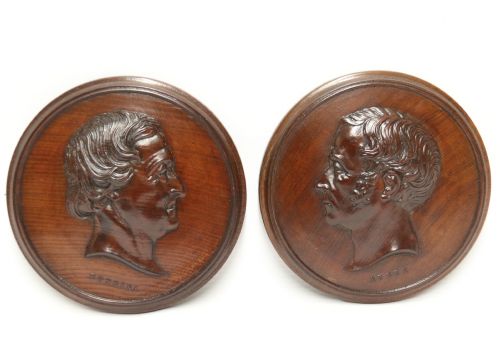

Antique Italian Wall Plaque
An antique italian wall plaque brings historic artistry into a modern room, offering carved marble, painted maiolica and detailed micromosaic to hang on the wall.
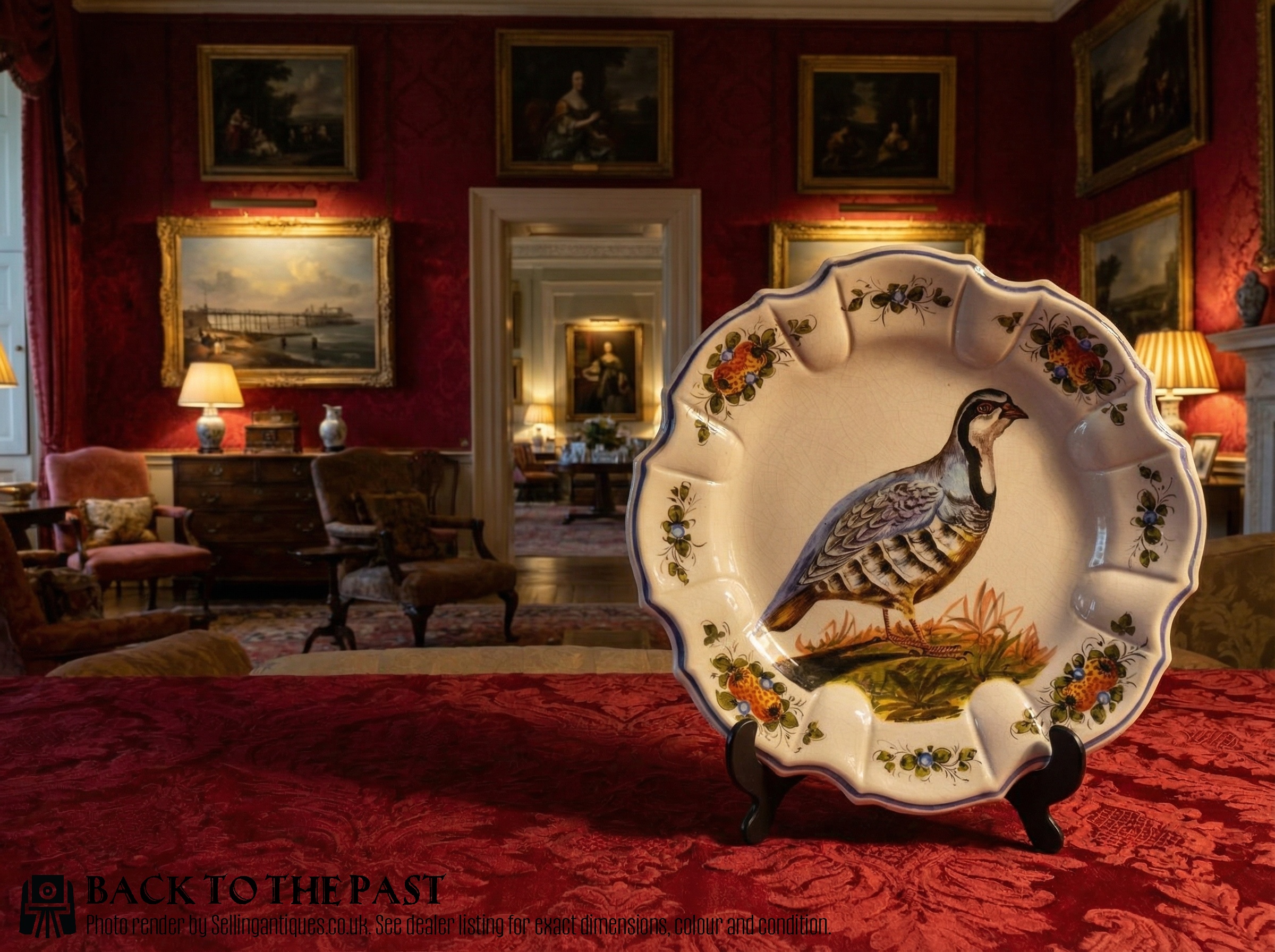
Antique Italian Wall Plaque
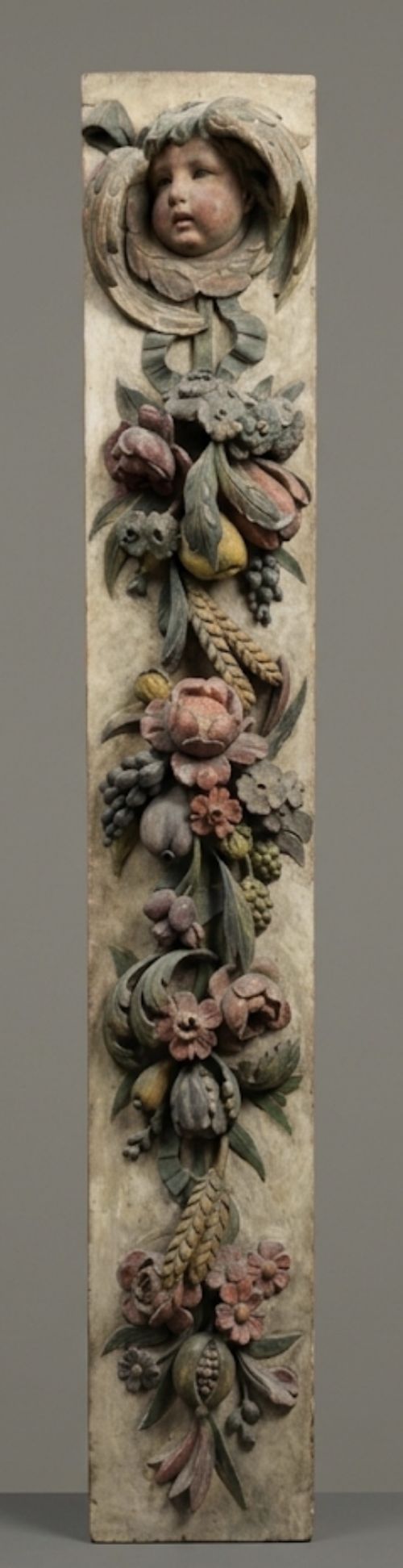
An antique italian wall plaque encompasses a diverse group of decorative objects designed for vertical display, spanning from the seventeenth century through the early twentieth century. These works originate from various Italian traditions, including religious devotional art, Grand Tour souvenirs and regional folk pieces.
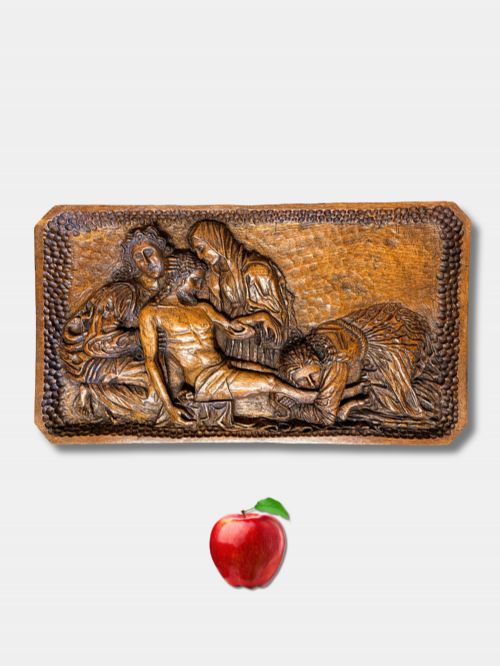
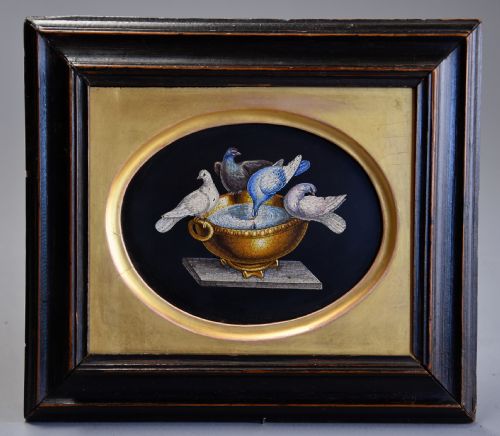
The form ranges from carved wooden panels and chestnut reliefs to marble profile portraits, ceramic chargers and micromosaic pictures. Pieces such as the Doves of Pliny micromosaic and marble profiles of Virgil and Dante represent the classical subjects favoured by travellers and collectors.
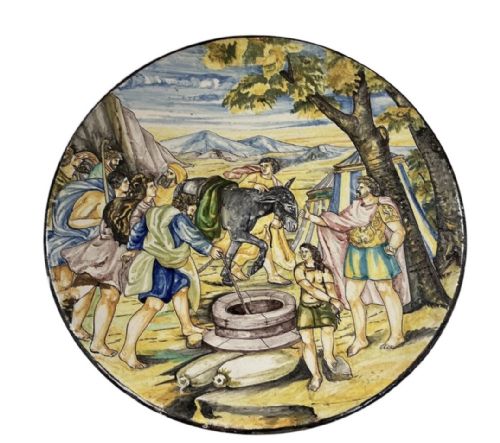
Ceramic examples include tin-glazed earthenware, faience and maiolica chargers decorated with historical or religious scenes. Other works feature bronze relief, pietra dura marble pictures and carved sienna marble panels depicting subjects like the St Mark's Lion.
How they were made
Makers utilised carved wood, marble, slate and stone as structural supports for bas-relief and panel carvings, often applying polychrome pigment and gesso for surface detail. Sculptors shaped hardstones and marbles to create crisp profile portraits and architectural crests.
Ceramic wall plaques and chargers were formed from earthenware, coated in tin glaze and hand painted with pigments to produce vibrantistoriato scenes and devotional images. Bronze relief plaques employed metal casting techniques to render complex figural compositions and heraldic arms.
One listed book cover binding imitates a medieval accounting ledger to look suitably ancient.
What varies in quality
Quality in these works rests upon the precision of the carving or the fineness of the painting, where crisp lines in marble and detailed brushwork in maiolica elevate a piece above standard decorative wares. The complexity of the composition, whether an intricate micromosaic or a multi-figure istoriato scene, determines the level of artistic achievement.
The selection of materials also marks the division between ordinary and exceptional examples, with carefully chosen sienna marble, well-fired tin-glazed earthenware and framed panels retaining their structural and visual integrity over centuries.
Icilio Federico Joni·C Ravier·Cantagalli·Gian Federigo Bonzagna
The Antique Italian Wall Plaque Glossary
- Maiolica
- Tin-glazed Italian earthenware painted with coloured pigments. It is frequently decorated with historical or religious narratives.
- Pietra Dura
- A method of inlaying cut and fitted polished coloured stones into a marble base to create pictorial images. This technique produces durable pictures of figures and landscapes.
- Micromosaic
- A composition created from tiny glass tesserae assembled to form detailed miniature pictures. These pieces were popular souvenirs during the Grand Tour.
- Istoriato
- A style of ceramic decoration where narrative scenes cover the entire surface of a vessel or plaque. The scenes often draw from classical mythology or biblical history.
- Ex Voto
- A votive offering presented to a deity or saint, typically in fulfilment of a vow. In Italian traditions, these include sacred heart plaques left at shrines.
Antique Italian Wall Plaque: Frequently Asked Questions
How were antique Italian wall plaques used?
These pieces served multiple functions across centuries, acting as domestic devotions in homes, architectural ornaments on walls, and commemorative items for travellers on the Grand Tour.
Religious plaques provided focal points for private prayer, while marble profiles and micromosaics recorded classical interests and travels through Italy.
What materials are common in these wall plaques?
The listings show a wide variety of durable materials, predominantly marble, wood, ceramic, pigment, tin-glazed earthenware, gesso, slate and stone.
Artists matched their medium to the intended style, using wood and chestnut for deep relief carvings, and marble or hardstones for smooth classical portraits.
How do I distinguish 17th-century pieces from later copies?
Distinguishing the age involves examining the tool marks on carved wooden panels, the natural ageing of marble and the specific formulation of tin glazes on earthenware.
Earlier works from the seventeenth and eighteenth centuries often display hand-wrought construction methods that differ from nineteenth-century revival pieces and later interpretations.
How should I hang a heavy marble wall plaque?
Heavy marble, slate and stone panels require secure wall fixings distributed evenly to support the weight of the dense material without stressing the piece.
Professional framing or custom mounting brackets ensure the plaque remains stable and safe on a vertical surface.