



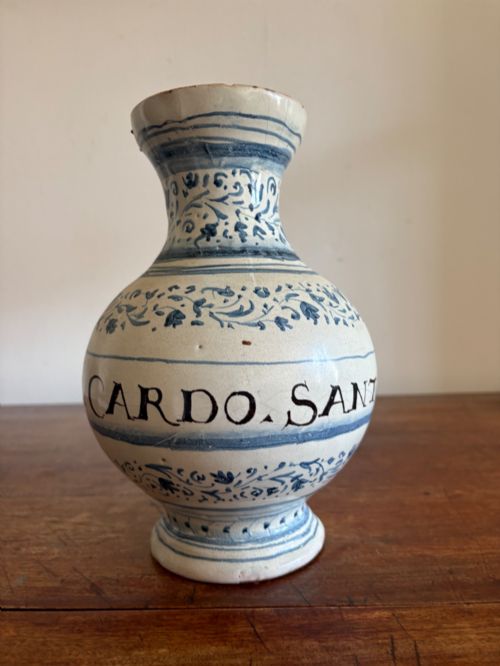


Antique Italian Vase
An antique italian vase brings centuries of classical European taste and historic craftsmanship straight into a modern interior.
Antique Italian Vase
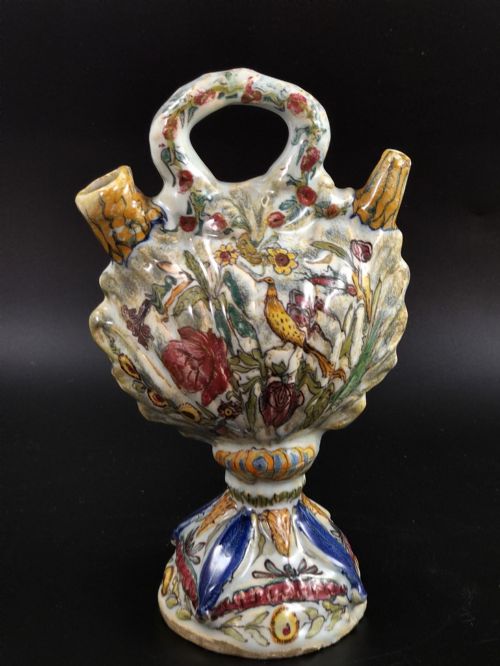
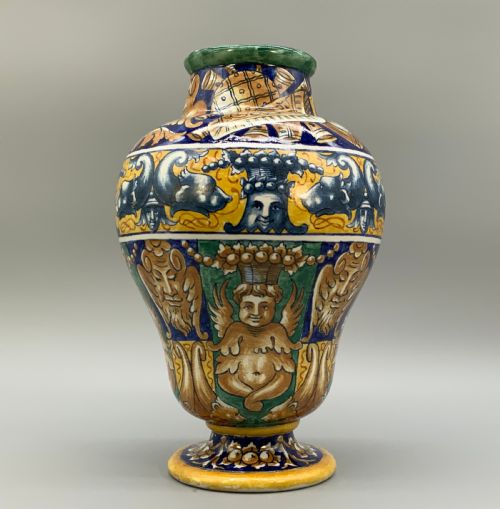
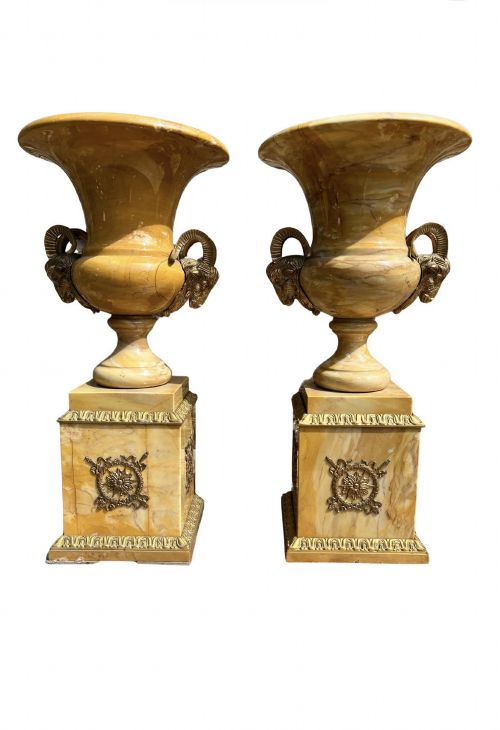
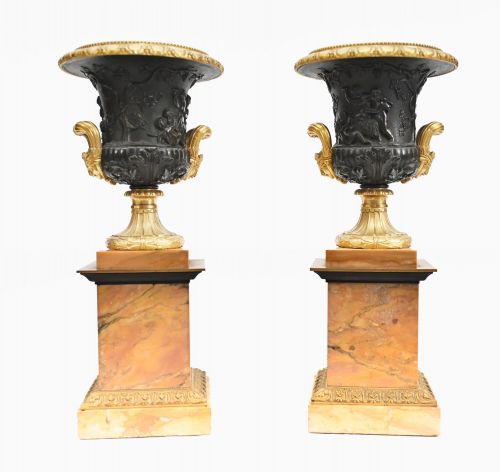
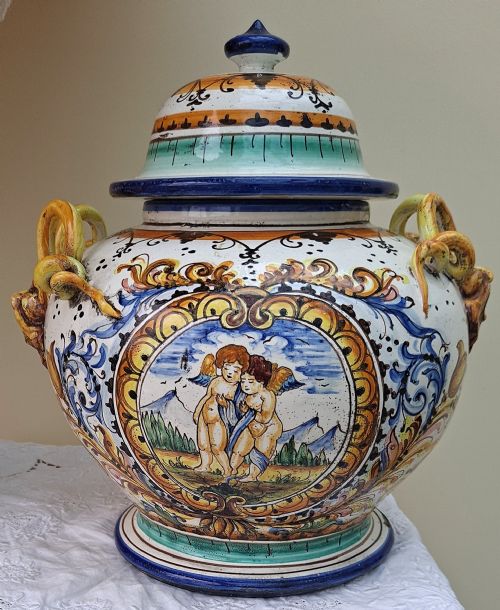
When you search for an antique italian vase, you encounter a rich selection of vessels, from tin-glazed earthenware apothecary jars and pilgrim flasks to heavy bronze campana urns. The core of this selection spans the eighteenth and nineteenth centuries, drawing heavily on Renaissance and classical antiquity.
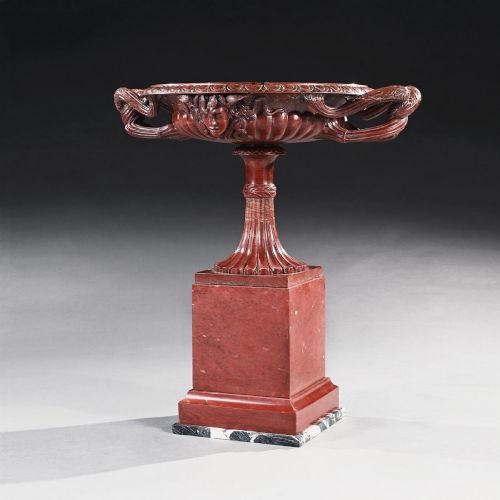
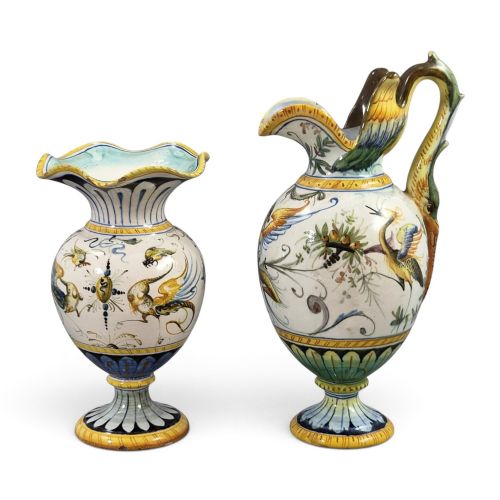
You will frequently meet Grand Tour bronze and marble pieces designed as souvenirs for nineteenth-century travellers, alongside vibrant maiolica and faience pieces from historic ceramic centres like Florence and Nove. These range from cabinet vases and lidded jars to monumental decorative urns meant for pedestals.
Forms often follow ancient prototypes such as the Warwick or Borghese vases, reimagined through nineteenth-century revivals or earlier regional traditions. Whether blue and white or polychrome, each piece records the enduring Italian appetite for classical ornament and sculptural silhouette.
Materials and Construction
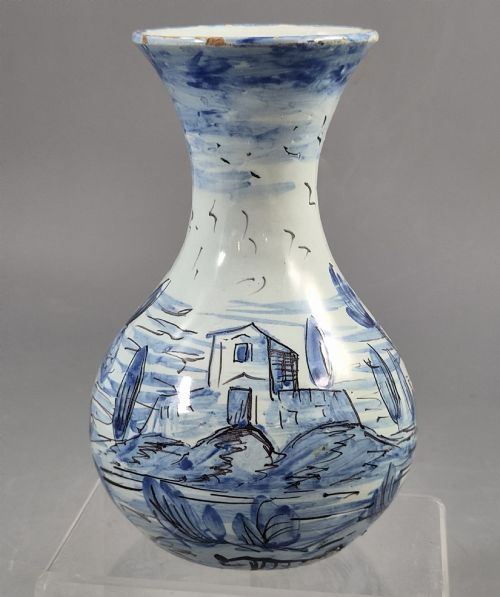
Makers shaped these vessels from earthenware and ceramic bodies, coating them in opaque tin glazes to provide a smooth white canvas for hand-painted cobalt blue and polychrome pigments. Workshops employed skilled painters to apply detailed floral, grotesque, or narrative motifs before a final kiln firing.
Metal versions rely on cast bronze and brass, often capturing classical motifs like cherubs, bacchus masks, and acanthus leaves through careful moulding and chasing. Stoneware and decorative minerals like Sienna, Breccia Medicea, and serpentine marble appear carved and polished to emulate ancient archaeological finds.
Antique Italian Vase Retail Price Guide 2026
Typical asking prices for italian vase among the pieces listed under this phrase on Sellingantiques today, from the lower quarter to the upper quarter. They describe what is for sale here now, not the wider market.
Cherubs and Bacchus masks peer out from bronze Grand Tour urns, keeping watch over centuries of classical revival decorating.
Markers of Distinction
Quality reveals itself in the crispness of the casting on bronze and marble pieces, where sharp relief and defined chasing separate superior souvenirs from simpler commercial castings. In ceramics, the finesse of the hand-painted brushwork and the stability of the tin glaze dictate the standing of the piece.
Provenance and maker attribution elevate certain works, particularly marked examples from documented potteries such as Cantagalli or creations by noted artists. The depth of the mineral colour, the balance of the proportions, and the preservation of original gilding or surface detail complete the distinction between standard production and exceptional examples.
Cantagalli·Gallilleo Chini
The Antique Italian Vase Glossary
- Campana Urn
- A bell-shaped vessel with a flaring rim and a footed base, modelled after ancient Roman pottery and stone prototypes.
- Grand Tour
- The cultural journey undertaken by nineteenth-century Europeans seeking art and classical antiquities, inspiring souvenir sculptures and decorative vases.
- Albarello
- A cylindrical earthenware jar used by apothecaries and drug dispensaries to store herbs and ointments, frequently painted in blue and white.
- Pilgrim Flask
- A flat-bodied travelling flask fitted with side loops for suspension, often taking the form of a scalloped shell in decorative maiolica.
Antique Italian Vase: Frequently Asked Questions
How do I care for marble and bronze urns?
Bronze and brass surfaces require only a gentle dusting with a soft dry cloth to preserve their natural patina and aged metal tones. Avoid using chemical polishes that can strip away historic surface characteristics.
Marble and alabaster demand careful handling and protection from moisture or acidic spills, as these porous stones stain easily. Clean them gently with a dry or barely damp microfiber cloth.
Where were majolica apothecary jars used?
Pharmacies and apothecaries utilised cylindrical albarelli and lidded jars to store dried herbs, syrups, and medicinal powders. Their tin-glazed ceramic bodies prevented moisture from spoiling the contents while displaying clear labels.
Over time, these functional containers entered domestic spaces purely for their decorative blue and white or polychrome patterns, becoming sought-after cabinet pieces.
How can I distinguish nineteenth-century revivals?
Nineteenth-century revival pieces often display the manufacturing techniques and material signatures of the Victorian era, even when closely copying Renaissance or Baroque styles. Noticeable signs include the specific formulation of tin glazes, tool marks on bronze castings, and the weight of the marble.
Looking at the underside and base frequently reveals nineteenth-century potting methods or factory marks that clarify the actual age of the vessel.