



Antique Italian Religious Sculptures
These antique italian religious sculptures capture centuries of devotion through carved wood, polychrome paint, and patinated bronze.
Antique Italian Religious Sculptures
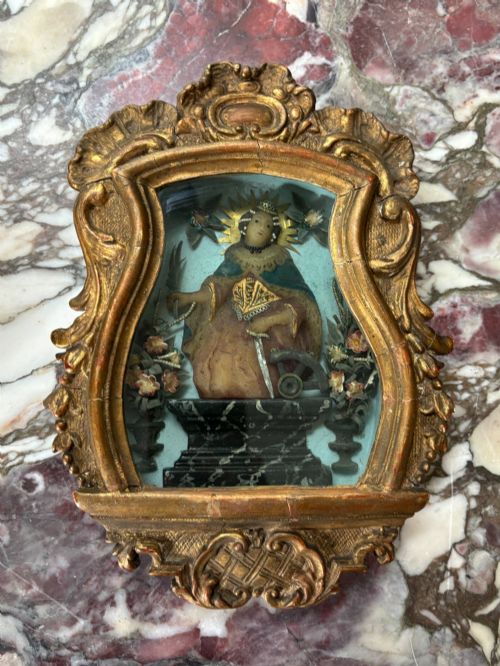
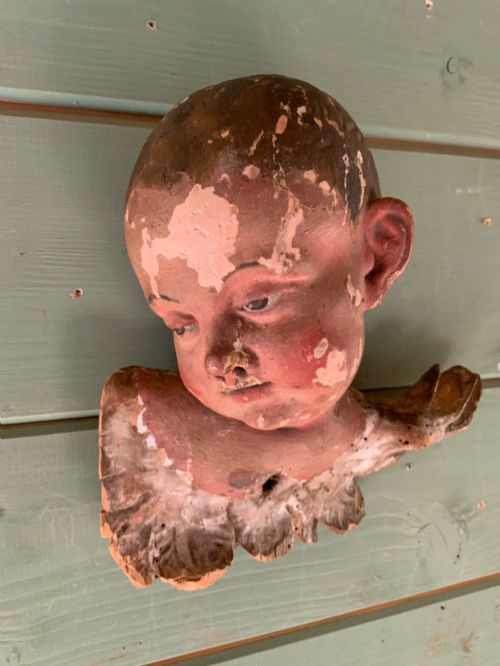
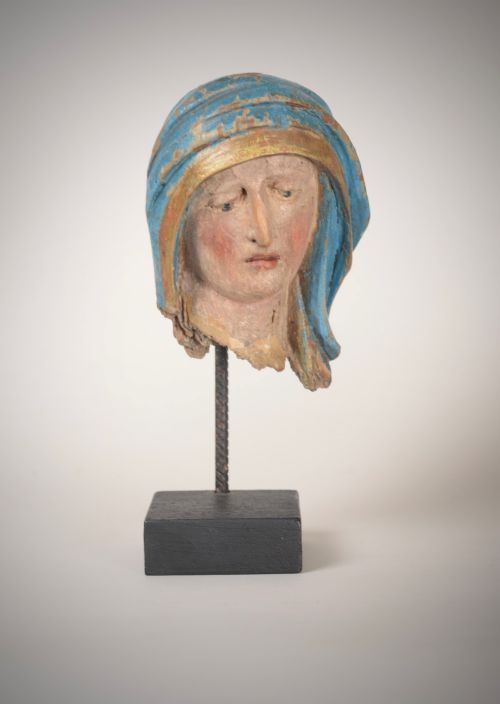
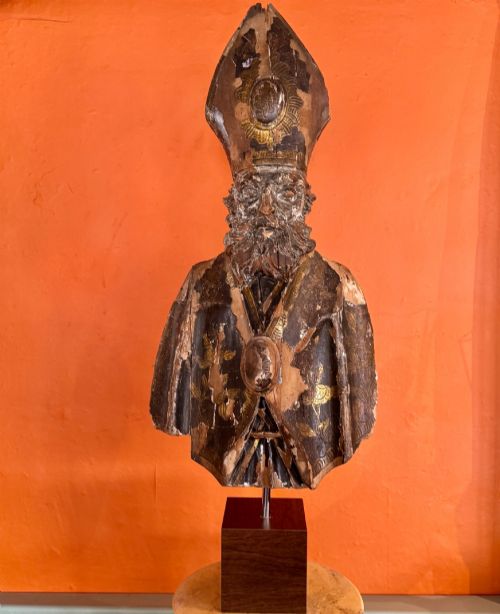
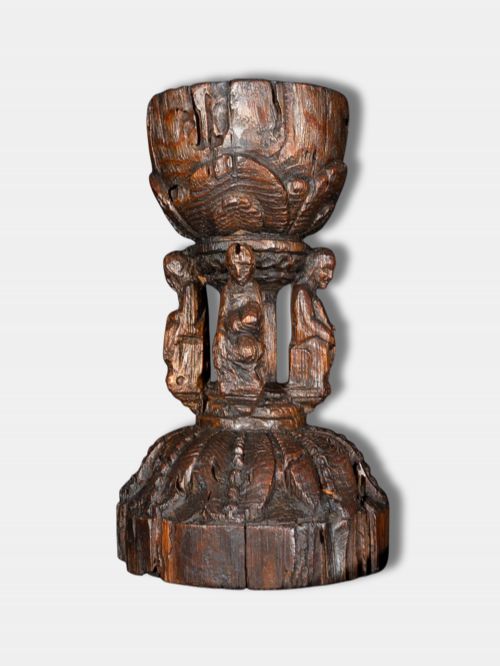
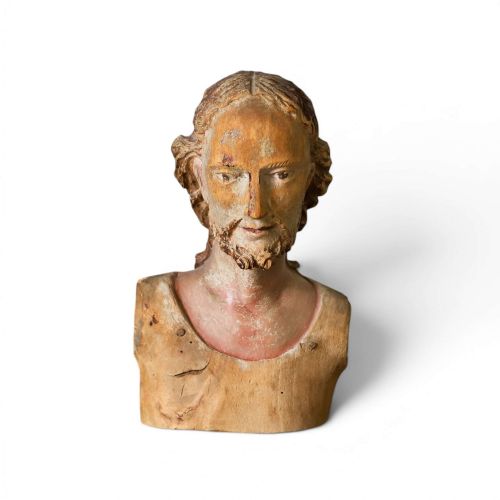
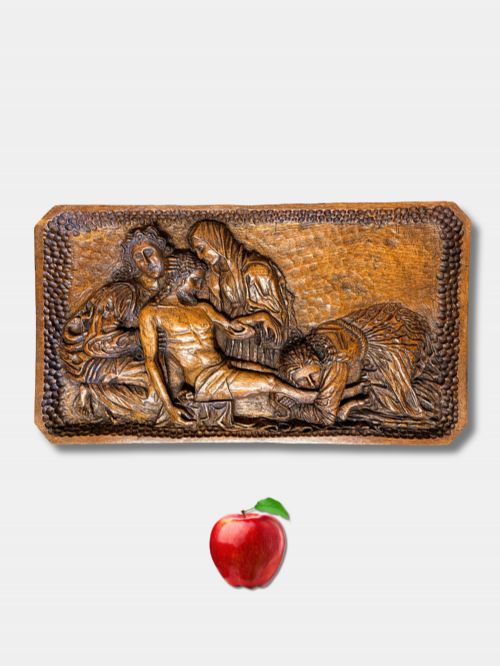
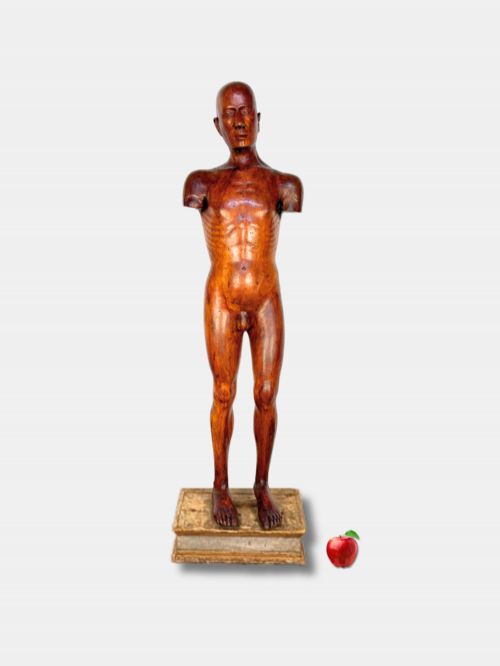
When you search for antique italian religious sculptures, you encounter devotional objects ranging from life-sized figures to small architectural fragments. The pieces on this page span several centuries, with a strong representation of carved wooden saints, putti, and ecclesiastical busts.
Most examples originate from private chapels, churches, or domestic shrines across Italy. You will frequently meet 18th-century polychrome wooden carvings and 19th-century processional figures alongside earlier Renaissance and Baroque works.
How they were made
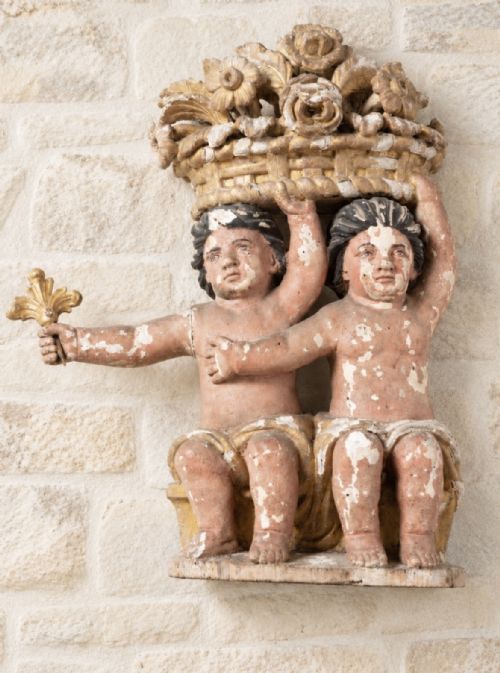
Carvers shaped these figures primarily from native woods such as olive wood, chestnut, and oak, applying gesso as a smooth ground for subsequent decoration. Artisans then utilised layers of polychrome paint, silvering, and gold leaf to bring the sacred subjects to life.
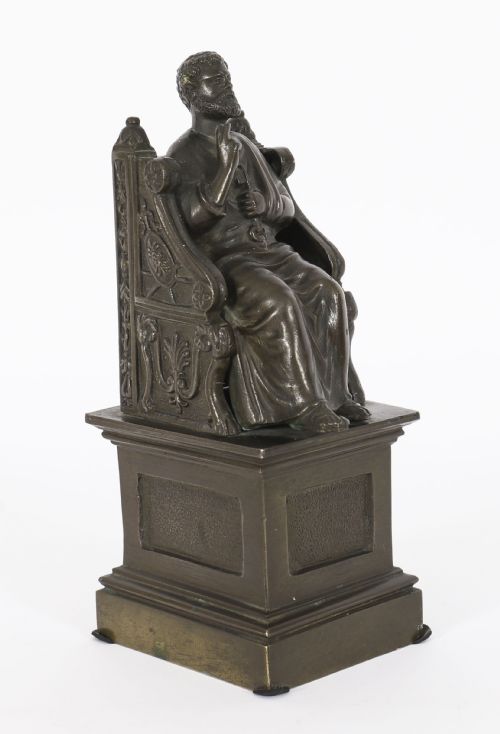
Bronze works were produced through casting techniques, often capturing classical forms during the Grand Tour. Surface patination completed these metals, while wooden pieces relied on hand-chiselled details to define drapery and facial expressions.
The page includes ecclesiastical busts, putti on clouds, and processional figures.
What varies in quality
The degree of anatomical mastery and expressive depth distinguishes the finest carvers from provincial artisans. Superior works display confident toolwork in the rendering of hair, hands, and falling drapery.
Original surface preservation dictates much of the visual power in these objects. Pieces retaining their early polychrome paint and gilding offer a more authentic aesthetic than those stripped or heavily repainted over time.
The Antique Italian Religious Sculptures Glossary
- Polychrome
- Painted in several colours. This surface treatment was traditionally applied over a gesso ground on wood carvings.
- Gesso
- A plaster mix used as a smooth base for painting and gilding. It fills the grain of the wood before pigment application.
- Santos
- A carved figure representing a saint or holy person. These statues were often used in religious processions and domestic shrines.
- Putto
- A representation of a plump, winged child, often found in Baroque church art. They frequently appear as cherubic figures on clouds.
- Grand Tour
- A cultural journey undertaken by European elites. Sculptures collected during these travels often included patinated bronzes and marble reliefs.
Antique Italian Religious Sculptures: Frequently Asked Questions
How do I date an old wooden carving?
Examine the tool marks left by the carver, the wood species utilised, and the composition of the underlying gesso layers. Earlier pieces often show hand- adzed surfaces and dense native hardwoods.
Compare the stylistic traits, such as Baroque movement or Renaissance restraint, with documented examples from the same region and century.
What is a Santos figure?
A Santos figure is a devotional statue created for church displays, domestic altars, or religious processions. These figures were carved from wood and frequently dressed in real textiles.
Many examples feature articulated limbs to facilitate changing garments for different liturgical seasons and feast days.
How should I clean polychrome wood?
Dust surfaces gently with a soft, dry brush to remove loose particles without disturbing fragile paint layers. Avoid water, solvents, or modern cleaning agents entirely.
Stable humidity and protection from direct sunlight remain the best methods for preserving aged pigments and gold leaf.
What is a Grand Tour sculpture?
Grand Tour sculptures are small bronzes or marble reliefs purchased by travellers touring Italy during the eighteenth and nineteenth centuries. They typically reproduced famous classical or religious works.
These pieces served as portable souvenirs documenting an educated traveller's appreciation for Italian art and history.