


Antique Italian Iron
Antique italian iron pieces bring heavy historical character into a room through hand-forged metalwork and traditional regional designs.
Antique Italian Iron
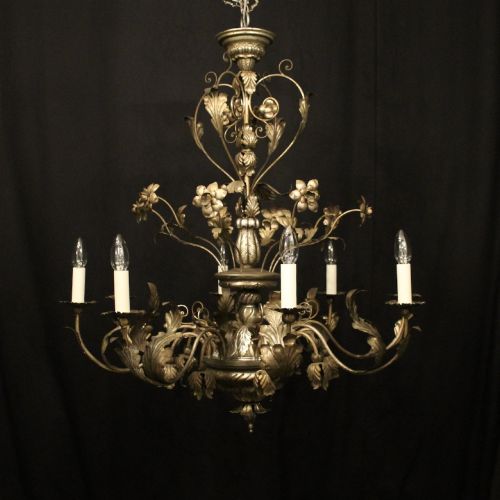
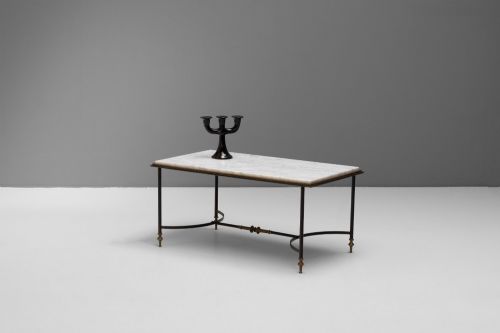
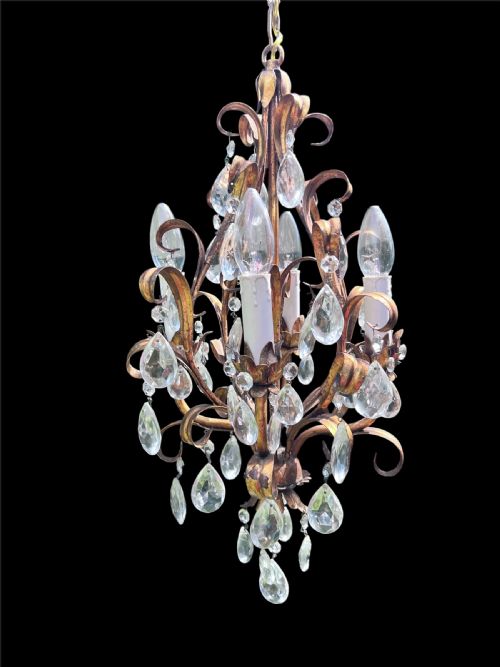
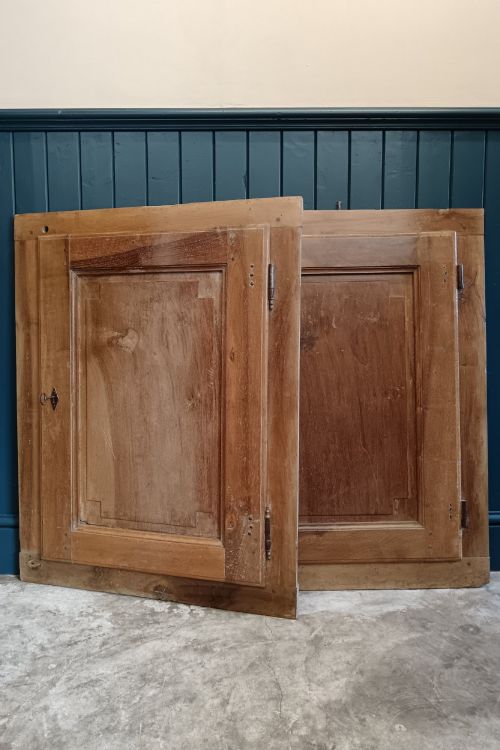
Chandeliers dominate the forms, frequently incorporating gilt leaf, crystal drops, or polychrome finishes alongside iron structures. Alongside these hanging lights, buyers often find console tables, walnut cupboard doors, and bedsteads that blend iron with wood and gesso.
Regional styles span Italian Florentine, Italian Baroque, and Gothic Revival aesthetics, showing the breadth of craftsmanship across the peninsula. Pieces range from rustic wrought iron shelves to ornate gilt lanterns and goffering irons.
How they were made
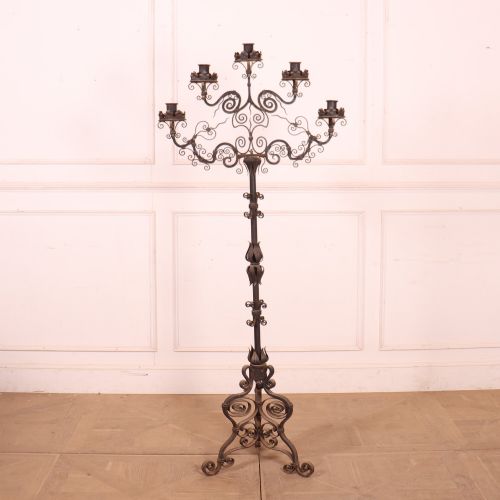
Blacksmiths utilised traditional forging techniques to shape wrought iron and cast iron into structural frames, scrollwork, and scrolling candle arms. Manual hammering and joining created durable hardware, hearth tools, and shelf supports designed for daily utility.
Many iron pieces incorporated applied decorative treatments, including gold leaf, gesso, and polychrome pigments over wood and metal surfaces. Glass and crystal elements were frequently hung from iron chandeliers to catch and reflect candlelight.
Certain chandeliers come laden with crystal fruits like grapes, apples, and pears, proving that Italian blacksmiths possessed a remarkably sweet tooth.
What varies in quality
Quality rests in the finesse of the hand-forging and the preservation of original surface finishes, such as early gilding and polychrome paint. Refined detailing in the iron scrollwork distinguishes superior artistic output from utilitarian workshop production.
The integration of secondary materials like carved walnut, hand-blown crystal fruits, and gesso ornament affects the overall sophistication of the object. Surviving structural integrity without heavy modern replacements preserves the authentic character of each piece.
The Antique Italian Iron Glossary
- Wrought iron
- Iron that has been heated and worked with tools by a blacksmith, yielding a fibrous texture and high durability. This material forms the structural backbone of many antique Italian lights and brackets.
- Goffering iron
- A heated metal cylinder used historically for pressing ruffs, frills, and lace. Examples survive in wrought iron form from the Georgian era.
- Gesso
- A plaster mix applied to wood or metal surfaces as a base for painting and gilding. It provides a smooth ground for intricate decorative details on antique Italian frames and fixtures.
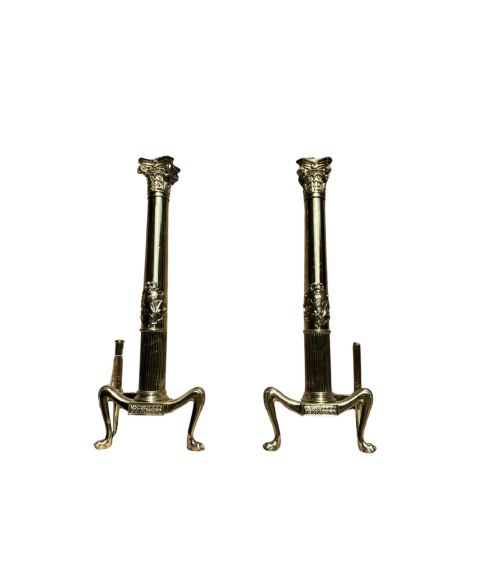
- Andirons
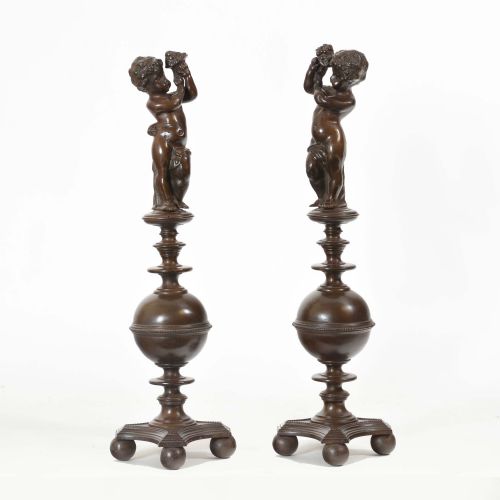
- Horizontal metal bars supported by legs, placed in a hearth to hold burning logs. Italian Renaissance style versions often feature cast iron construction with bronze or gilt highlights.
- Tole ware
- Lacquered or enamelled metalware popular in decorative domestic objects. Nineteenth century examples include bedstead components finished with painted surface details.
Antique Italian Iron: Frequently Asked Questions
How do I clean antique iron?
Dust the surface gently with a soft, dry cloth to prevent the accumulation of dirt without harming delicate patinas or painted finishes.
Avoid using abrasive cleaners, water, or chemical solvents that can strip away original gilding, polychrome pigment, or aged iron surfaces.
Are these chandeliers wired for electricity?
Many antique Italian chandeliers retain their original candle-holders or have been adapted for modern electrical use at various points in their history.
Buyers should inspect the specific wiring of each lighting fixture and consult a qualified electrician to ensure safety and compliance with current standards.
Where were these pieces originally used?
Floor standing candle altars and large chandeliers were typically commissioned for churches, chapels, and grand palazzos across Italy.
Smaller wall lights, shelves, and andirons served domestic interiors in regions ranging from Florence to Sicily.
How do I date an iron piece?
Dating relies on examining the construction marks, tool signatures from the forge, and stylistic indicators such as Baroque or Florentine motifs.
Associated materials like walnut timber, hand-cut crystal, and gesso finishes also help narrow the period of manufacture.