



Antique Italian Glass
Antique italian glass brings together centuries of delicate craft, shimmering mirrors, and colourful decorative objects that transform a room with Mediterranean light.
Antique Italian Glass
When you search for antique italian glass, you encounter a remarkable diversity of domestic objects spanning multiple centuries and provinces. The selection ranges from intricate wall mirrors and grand chandeliers to tiny millefiori paperweights and micro mosaic jewellery.
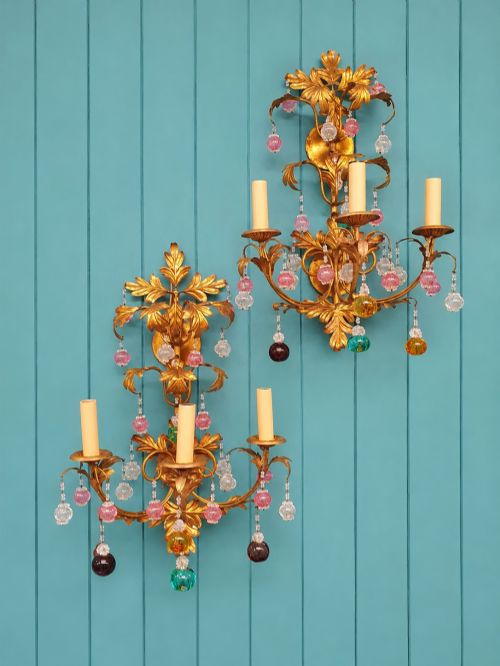
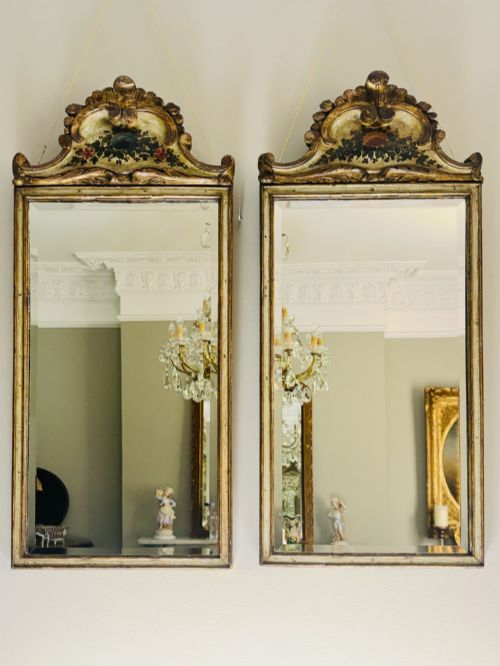
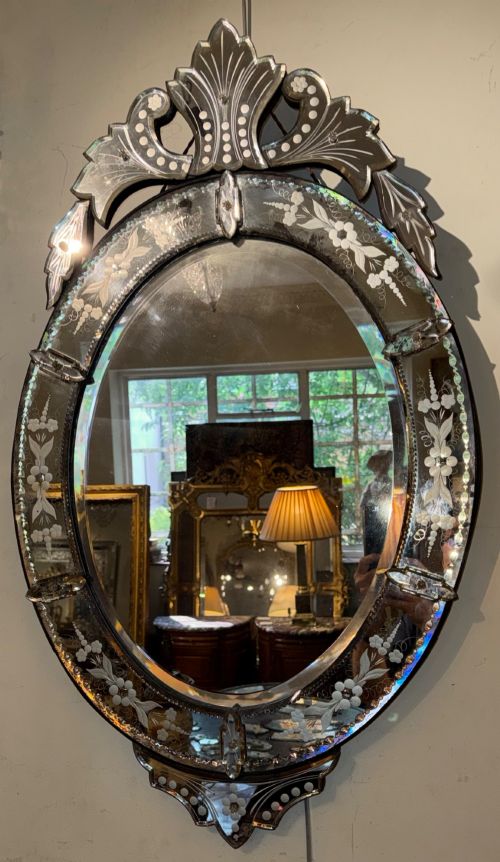
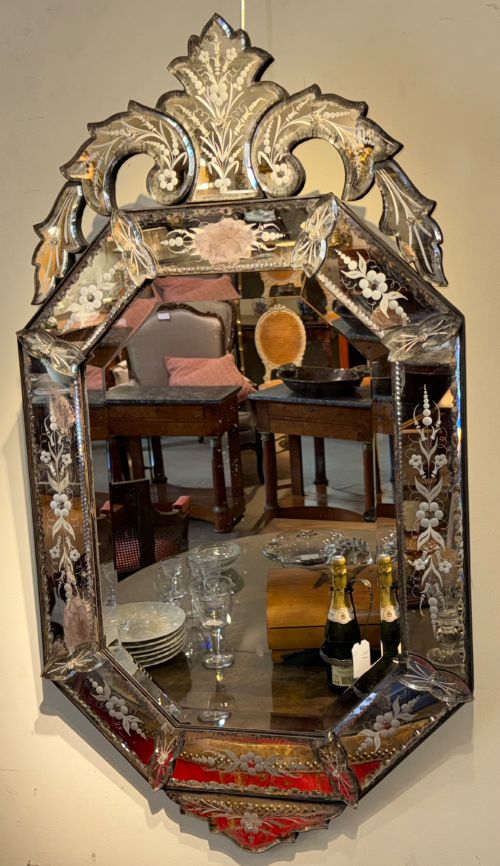
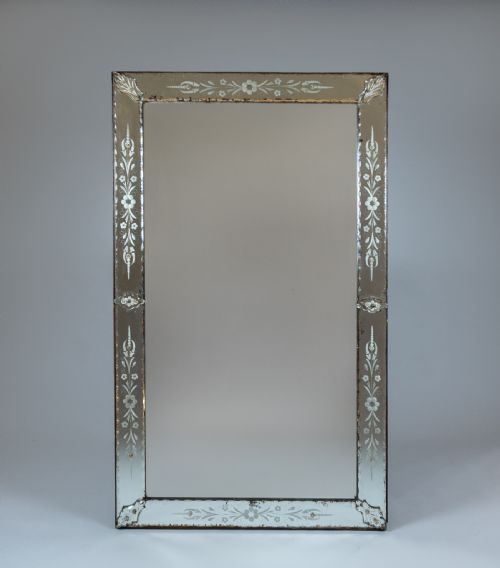
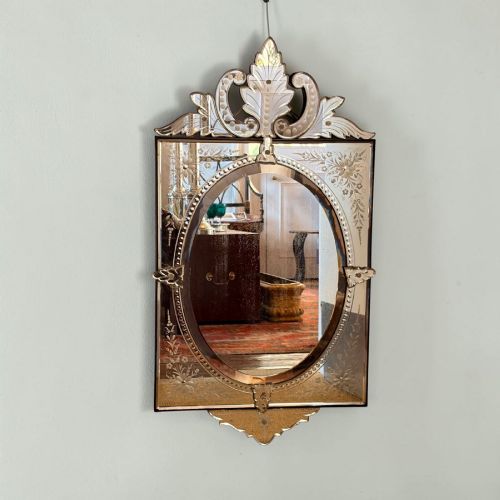
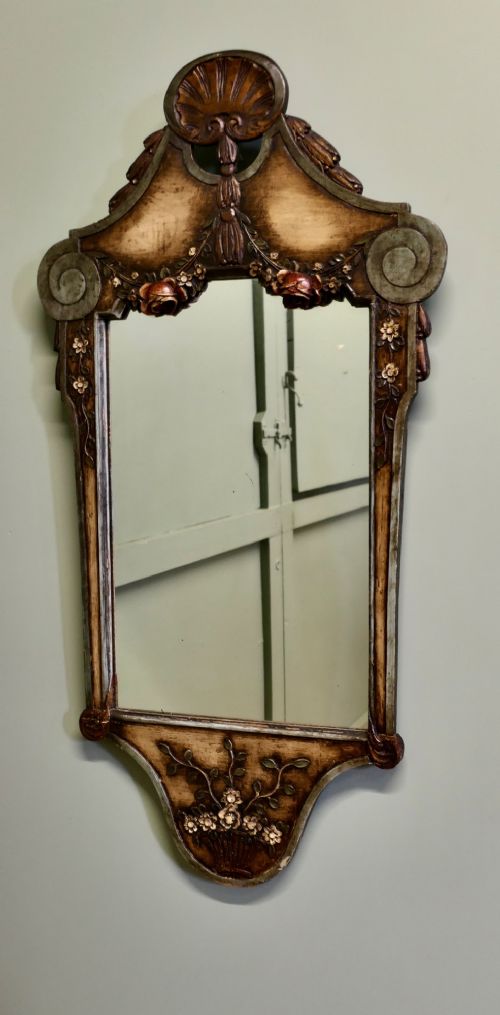
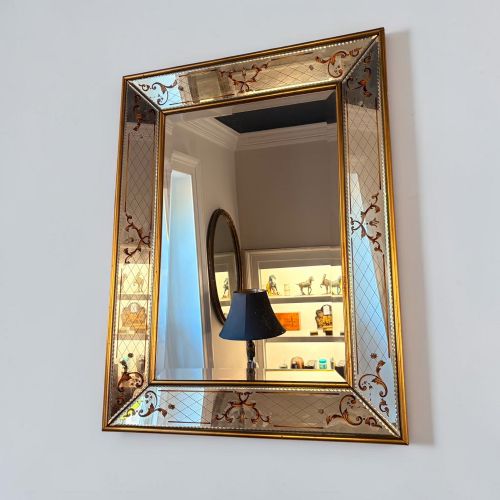
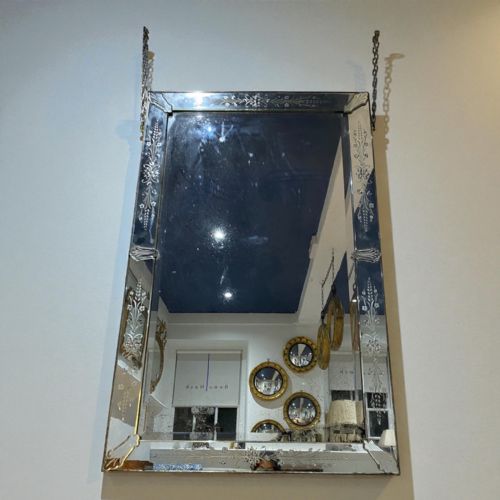
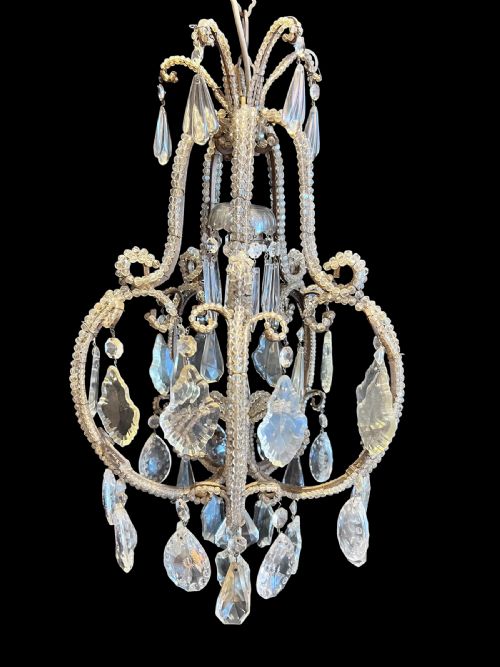
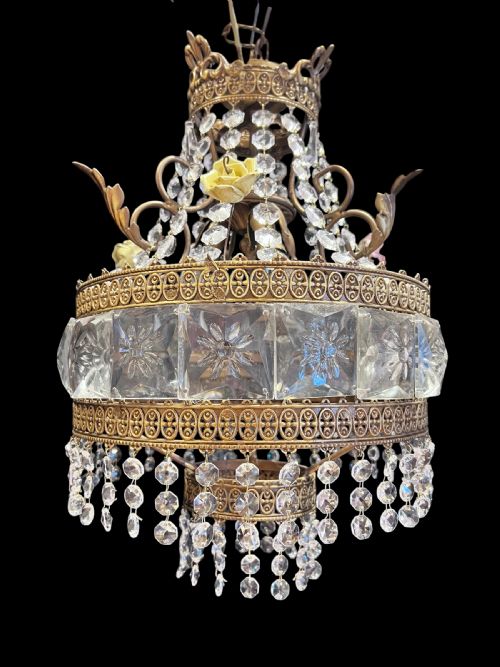
Mirrors dominate the domestic groupings, particularly Venetian examples featuring engraved plates and carved giltwood frames. Alongside these, lighting fixtures employ crystal, porcelain flowers, and coloured glass to create ornate focal points in a traditional interior.
Materials and construction
The objects rely on combinations of clear or coloured glass, mirrored plates, and giltwood or carved wood supports. Metals such as brass, gilt metal, and silver also structure chandeliers and mount jewellery pieces.
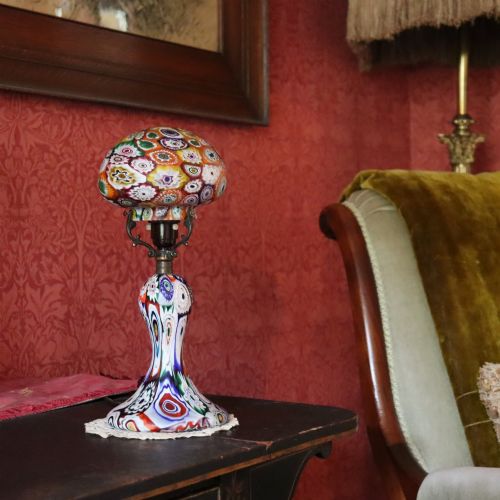
Murano glassmakers utilised specialised techniques like millefiori and murrine work to embed intricate patterns inside paperweights, bowls, and perfume bottles. Frames often received hand-carved gesso and gold leaf applications to achieve their decorative finishes.
Antique Italian Glass Retail Price Guide 2026
Typical asking prices for italian glass among the pieces listed under this phrase on Sellingantiques today, from the lower quarter to the upper quarter. They describe what is for sale here now, not the wider market.
Several mirrors include peach glass tints, proving that past generations thoroughly enjoyed experimenting with flattering interior lighting tones.
Distinguishing the range
The standard of workmanship depends heavily on the precision of the glass cutting, the clarity of the mirrored plates, and the depth of the carving on wooden elements. Superior items display meticulous hand-engraving and well-preserved gilding without clumsy repairs.
In smaller decorative goods, the complexity of the mosaic tesserae or the intricacy of the millefiori canes determines the tier of the piece. Masterworks show tight alignment and rich colour palettes that set them apart from standard production.
Fratelli Toso·Franchini And Bigaglia
The Antique Italian Glass Glossary
- Millefiori
- A glasswork technique producing distinctive floral patterns through the use of multicoloured glass rods fused together and sliced. This method appears frequently in paperweights and small bowls from the early twentieth century.
- Giltwood
- Timber that has been coated with a thin layer of gold leaf or gold paint for decorative effect. It forms the primary structure of many Venetian and Florentine wall mirrors.
- Micro mosaic
- Art created using tiny coloured glass or ceramic tesserae assembled to form detailed pictorial scenes, often mounted in brooches and bracelets. These items were popular souvenirs during the Grand Tour.
- Murrine
- Coloured patterns or images made in a glass cane that are revealed when sliced across the section. Master glassmakers in Murano applied these to perfume bottles and paperweights.
- Eglomise
- A decorative technique involving the application of gold or silver leaf to the reverse side of glass panels. This process yields a reflective and ornamental surface seen on specific wall mirrors.
Antique Italian Glass: Frequently Asked Questions
How do I clean antique glass?
Dust surfaces gently with a soft, dry cloth to prevent scratching delicate areas or fragile gilt frames.
Avoid commercial chemical cleaners that might damage historical glass treatments, mirrored backing, or aged metallic finishes.
Where were these pieces made?
Many items originate from Venice and the island of Murano, which served as historical centres for European glass production.
Other decorative objects and micro mosaics stem from workshops across Rome, Florence, and Genoa during the nineteenth and twentieth centuries.
How do I date a mirror?
Examine the construction of the wooden frame, the style of the carving, and the characteristics of the glass plate.
Nineteenth-century and earlier pieces often display hand-bevelled edges, subtle imperfections in the glass, and aged gesso under the gilding.
Can I hang a heavy mirror safely?
Consult a professional restorer or structural fixer to evaluate the weight of the giltwood frame and the integrity of the original hanging loops.
Ensure that wall fixings match the substantial build of nineteenth-century hardware to support the piece securely.