
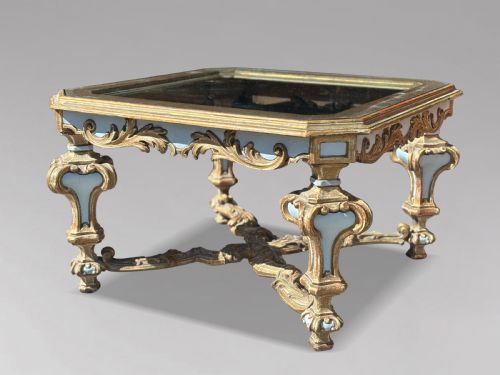


Antique Italian Coffee Table
These antique italian coffee table pieces bring continental character and warm timber tones straight to the sitting room.
Antique Italian Coffee Table
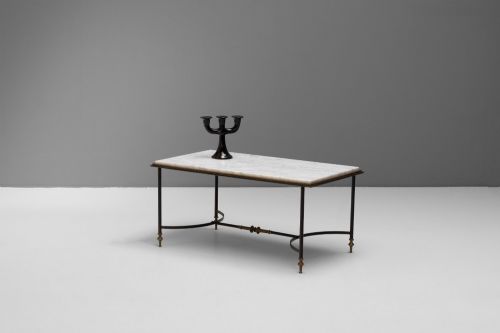
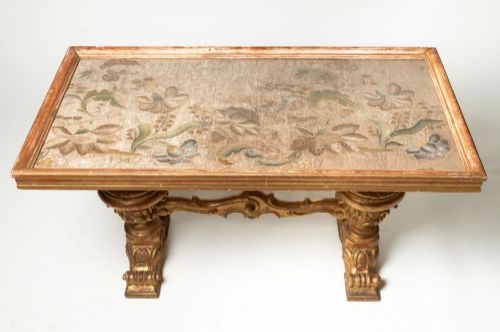
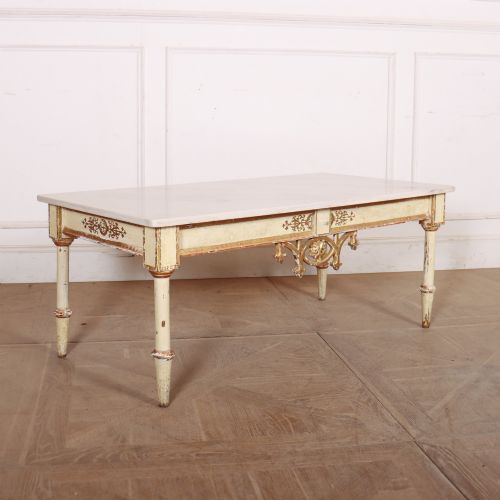
An antique italian coffee table brings centuries of continental craftsmanship into the modern reception room, spanning forms originally built as low centre tables, occasional tables, or tea tables. Buyers searching for an antique italian coffee table encounter diverse manifestations, from eighteenth-century marble-topped low tables to mid-nineteenth-century marquetry designs and twentieth-century painted trays.
The pieces appearing in the inventory draw upon distinct historical movements including Neoclassical, Italian Baroque, Sorrento Ware, and Hollywood Regency aesthetics. Walnut, mahogany, and giltwood provide the structural foundation for many examples, often elevated by elaborate stonework and painted surfaces.
While traditional coffee tables as a dedicated domestic form emerged later, makers and modifiers have adapted low centre tables, side tables, and specimen tables to suit contemporary seating arrangements. The most frequently encountered pieces merge traditional Italian stone inlay or marquetry with sturdy nineteenth-century timber frames.
Materials and construction methods
Cabinetmakers utilised dense timbers such as walnut and mahogany alongside softer woods selected for gilding and painting. The structural frames often feature hand-carved details or applied giltwood enrichments that reflect regional Italian workshop traditions.
Surface decoration defines the construction of these pieces, employing intricate marquetry, geometric wood inlays, and specialised stone techniques. Pietra dura and specimen marble tops require precise stonemasonry, embedding multiple coloured minerals into solid stone or timber bases.
Dolphins carved in gilt metal occasionally support tabletops, proving that nineteenth-century artisans enjoyed a playful splash of marine mythology.
Distinguishing quality across the range
Quality rests upon the precision of the surface work, separating simple timber frames from those featuring elaborate specimen stone or multi-wood marquetry. The depth of hand-carving in the walnut and giltwood elements dictates the sculptural merit of the base.
The integrity of the marble or pietra dura top, alongside the tightness of historical joints in the timber structure, determines the overall longevity and refinement of the piece.
The Antique Italian Coffee Table Glossary
- Pietra dura
- A pictorial mosaic technique using cut and fitted high-polished coloured stones. Artisans assemble slices of marble, lapis lazuli, and agate to create intricate floral or geometric motifs.
- Marquetry
- Decorative veneer work applied to furniture surfaces in geometric or pictorial patterns. Cabinetmakers use thin slices of various woods to compose elaborate imagery.
- Sorrento Ware
- Wooden decorative items featuring intricate micro-mosaic inlays, originating from the coastal town of Sorrento in southern Italy. These pieces often display characteristic geometric borders and pictorial scenes.
- Neoclassical
- A style drawing inspiration from the classical art and architecture of ancient Greece and Rome. It emphasises symmetry, restrained ornamentation, and classical architectural motifs.
Antique Italian Coffee Table: Frequently Asked Questions
How do I clean a marble top?
Wipe the stone gently with a damp cloth and mild, neutral soap, avoiding all acidic cleaning agents that etch the surface. Dry the marble thoroughly afterwards to maintain its natural polish.
Regular dusting prevents surface grime from settling into the micro-pores of older stone.
Are these tables sturdy enough for daily use?
Most antique italian coffee table examples are built from durable hardwoods like walnut and mahogany that handle daily living well. Careful placement away from direct heat sources protects the timber joints and surface veneers.
Using coasters and mats safeguards delicate stone and marquetry tops from liquid rings and scratches.
What is pietra dura?
Pietra dura is an inlay technique where polished, coloured hardstones are meticulously cut and fitted together to form pictorial designs. This painstaking art form creates permanent stone pictures that resist fading over centuries.
Examples are typically reserved for the top surfaces of high-status tables.
How do I date an antique table?
Dating relies on observing construction marks, timber types, and the stylistic vocabulary of the period, such as nineteenth-century revival motifs. Tool marks on the underside and the ageing characteristics of the timber provide physical clues to the era of manufacture.
Comparing the decorative techniques with documented regional Italian styles helps narrow the timeframe.