



Antique Italian Armoire
An antique italian armoire brings grand proportions and rich regional character to a room, offering substantial storage with distinct continental flair.
Antique Italian Armoire
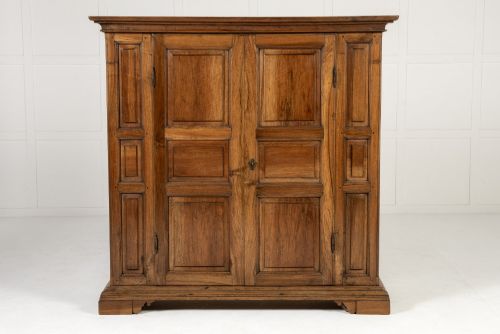
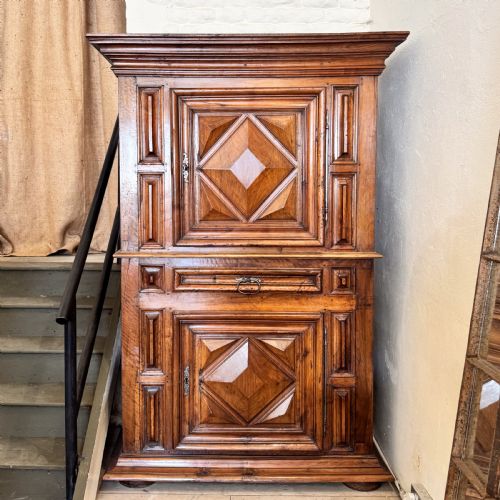
An antique italian armoire encompasses large cupboards, wardrobes, and cabinets originating from various regions of the peninsula. Buyers searching for an antique italian armoire often encounter grand walnut examples alongside decorative painted pieces.
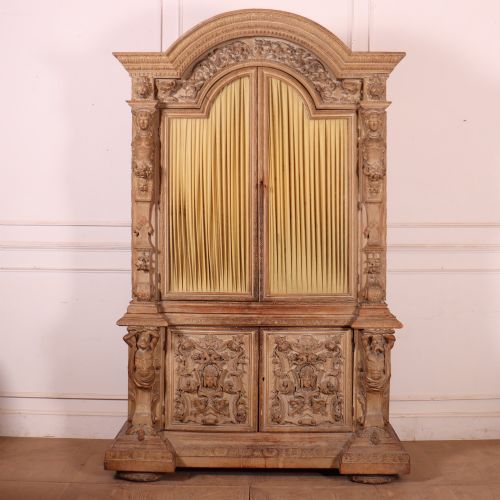
The inventory ranges from eighteenth-century provincial cupboards to late nineteenth-century revival pieces and twentieth-century storage furniture. Forms include serpentine breakfronts, bombe wardrobes, and carved vitrines designed for domestic display and storage.
Regional variations span Tuscan cabinets, Italian provincial styles, and elaborate baroque or neoclassical revivals. These large wooden pieces serve as striking focal points in contemporary interiors while fulfilling traditional storage needs.
Construction and materials
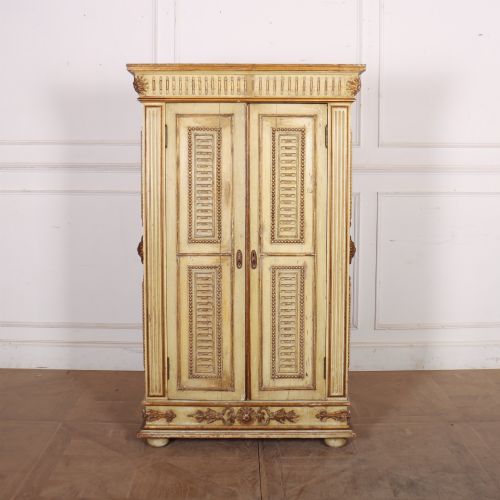
Walnut serves as the primary timber for many of these grand cupboards and cabinets, often selected in figured or burr varieties to create striking grain patterns on large doors. Craftsmen also utilised plain woods finished with gesso, paint, and gold leaf for decorative polychrome effects.
Surface ornamentation relies on skilled carving, painted polychrome finishes, and occasional intricate inlay work. Iron hardware provides functional structural support and secure closures for these heavy wooden doors.
Antique Italian Armoire Retail Price Guide 2026
Typical asking prices for italian armoire among the pieces listed under this phrase on Sellingantiques today, from the lower quarter to the upper quarter. They describe what is for sale here now, not the wider market.
Marriage cupboards were traditionally commissioned to celebrate union, carrying symbolic painted motifs straight into the newlyweds' bedroom.
Assessing craftsmanship and finish
The distinction between standard storage pieces and finer examples rests upon the selection of timber and the sophistication of the surface finish. Figured walnut veneers, burr sections, and complex serpentine or bombe proportions indicate higher workshop ambition.
The execution of carved ornamentation and hand-painted polychrome details distinguishes regional vernacular work from more formal revival pieces. Original surface treatments and well-preserved gilt or painted layers elevate the standing of any cabinet.
The Antique Italian Armoire Glossary
- Armoire
- A large freestanding cupboard or wardrobe traditionally used for storing garments. These pieces often feature double doors and generous interior depth.
- Serpentine
- A furniture front characterised by a wavy outline with a convex centre flanked by concave curves. This shaping demands advanced cabinetmaking skill.
- Bombe
- A swollen or bulging convex contour found on the lower sections of chests and wardrobes. The style originated in continental baroque design.
- Polychrome
- A decorative surface finish utilising multiple colours, often applied to gesso or wood. This technique creates pictorial or patterned visual interest.
- Vitrine
- A glass-fronted display cabinet designed for showcasing precious objects or porcelain. These tall cases elevate functional storage into decorative display.
Antique Italian Armoire: Frequently Asked Questions
How do I date an armoire?
Dating relies on examining the construction methods, timber selection, and stylistic markers such as provincial baroque or later revival details. Eighteenth-century pieces typically display hand-cut joinery and aged patination distinct from later nineteenth-century revivals.
Hardware, hinges, and underlying wood types also provide clear clues regarding the decade of manufacture. Comparing these elements with documented regional traditions helps narrow down the period.
Where should I place a large armoire?
These tall wooden pieces require solid walls with adequate clearance to accommodate their substantial depth and height. Bedrooms and large living spaces suit their grand scale best.
Ensure the placement avoids direct heat sources or strong sunlight to protect aged walnut timbers and painted surfaces. Adequate floor load support is essential given the heavy construction of solid wood and iron hardware.
How do I care for walnut and painted wood?
Maintenance involves dusting with a soft, dry cloth and avoiding modern chemical polishes that can degrade historical finishes. Maintaining stable room humidity prevents the timber from splitting or warping.
Painted and gilt surfaces require particular care to avoid abrasion or moisture damage. Professional conservation advice should be sought for any structural repairs or surface consolidation.