



Antique Islamic Wall Panel
An antique islamic wall panel brings centuries of intricate regional artistry into a modern interior through rich textiles, metalwork and ceramics.
Antique Islamic Wall Panel
An antique islamic wall panel encompasses a diverse range of historic decorative objects designed for interior display, spanning textiles, metalwork, ceramics and architectural elements. When searching for this phrase, buyers encounter intricate Persian embroidery, enamelled Syrian copper, Ottoman velvet hangings and glazed ceramic tiles.
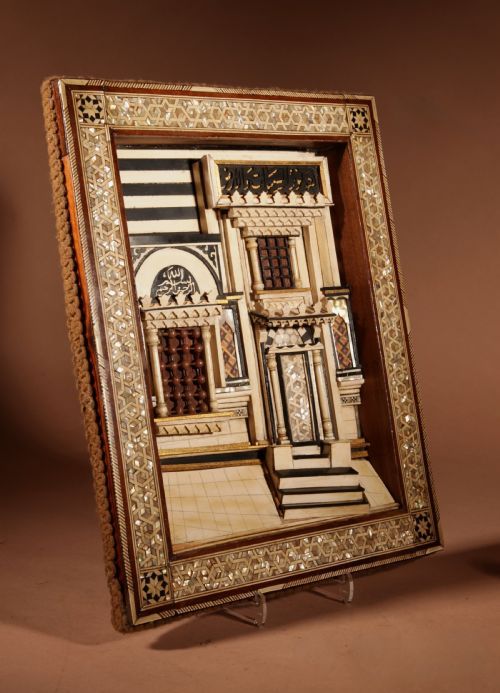
The selections on this page heavily feature Persian Rasht embroidery executed in silk on felt from the nineteenth century, alongside Ottoman textiles and architectural dioramas. These wall panels and hangings reflect distinct regional aesthetics from Qajar, Ottoman, Safavid and Moorish revival traditions.
Forms range from textile panels and wall plaques to architectural tiles and large bronze or copper plaques. Each piece provides a tangible connection to traditional workshops and historic interior decoration across the Middle East and surrounding regions.
How they were made
Makers utilised a variety of traditional techniques, notably detailed appliqué work where fine silk is applied to wool felt foundations in Persian embroideries. Metalwork panels involve hammered copper with enamelling or cast bronze, while ceramic examples employ moulded pottery and tile-making methods.
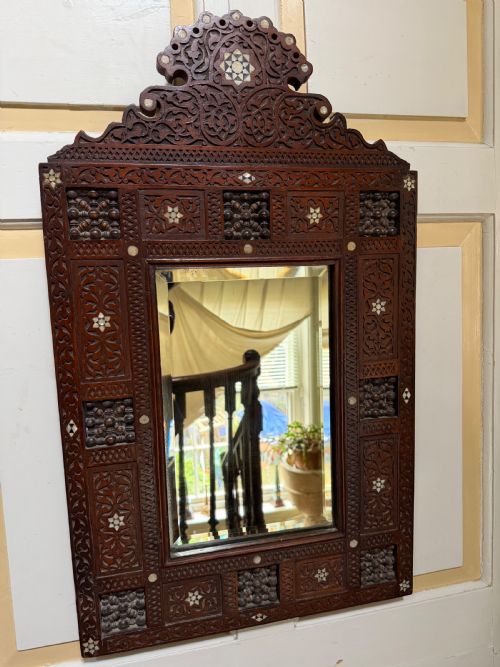
Materials span organic textiles such as silk, wool felt and velvet, alongside durable mediums including copper, bronze, bone and mother-of-pearl. Surface ornamentation frequently incorporates metal-thread embroidery and meticulous script painting or relief carving on wood.
Antique Islamic Wall Panel Retail Price Guide 2026
Typical asking prices for islamic wall panel among the pieces listed under this phrase on Sellingantiques today, from the lower quarter to the upper quarter. They describe what is for sale here now, not the wider market.
Current listings incorporate materials ranging from delicate silk and wool felt to heavy copper, bronze, wood and ceramic tiles.
What varies in quality
Quality in these works rests primarily on the dexterity of the handwork and the precision of the design execution, whether in needlework or metal fabrication. Finer examples display balanced compositions, such as well-proportioned medallions or crisp Nastaliq script.
The selection of materials also dictates standing, with denser silk application, superior metal enamelling or well-preserved ceramic glaze marking out superior specimens. Completeness and structural integrity across textile grounds and rigid panels further separate standard items from exceptional survivals.
The Antique Islamic Wall Panel Glossary
- Rasht embroidery
- A traditional Persian form of textile art created by applying fine silk pieces onto a wool felt backing. This technique often produces colourful floral or geometric medallion designs.
- Nastaliq script
- One of the main calligraphic styles used in writing the Persian alphabet, frequently found on historic tiles and panels. It is characterised by short vertical strokes and long horizontal sweeps.
- Qajar
- Pertaining to the Iranian dynasty that ruled from the late eighteenth to the early twentieth century. Art from this period often exhibits distinct figurative and decorative painting styles.
- Ottoman
- Referring to the empire that spanned parts of southeastern Europe, Western Asia and North Africa for centuries. Surviving works from this culture include rich velvet coverlets and metalwork.
- Diorama
- A three-dimensional scene representing architectural elements or figures. In the context of wall displays, these pieces utilise relief work to depict building facades.
Antique Islamic Wall Panel: Frequently Asked Questions
How do I hang a textile wall panel?
Textile panels are typically mounted by supporting the weight evenly across a concealed wooden batten or specialised sleeve stitched to the reverse. This prevents undue strain on historic silk and felt fabrics.
Avoid direct mounting methods that pierce the fabric directly, as this causes long-term tearing along the support points.
Are these panels suitable for direct sunlight?
Historic dyed silks, wool felts and painted surfaces are sensitive to ultraviolet light and fade significantly over time. Displaying them away from direct windows preserves the original colouration.
Indirect ambient light is generally safe for exhibiting these pieces without causing accelerated degradation of organic materials.
How do I clean an antique metal panel?
Dusting gently with a soft, dry brush is usually sufficient for maintaining copper and bronze plaques. Chemical cleaning agents and aggressive polishing should be avoided to protect the historic patina.
Preserving the natural oxidation layer maintains the visual depth and historical integrity of the metalwork.
What is the difference between Safavid and Qajar pieces?
Safavid pieces originate from an earlier Persian dynasty renowned for refined court arts and textiles. Qajar items date from the nineteenth century and often display distinct stylistic shifts influenced by contemporary interactions.
Both periods utilise high-level craftsmanship, but their decorative motifs and calligraphy styles reflect different eras of Persian culture.