





Antique Ironbound Chest
These antique ironbound chest pieces are heavy storage boxes secured with metal straps, prized for robust utility and rustic character.
Antique Ironbound Chest
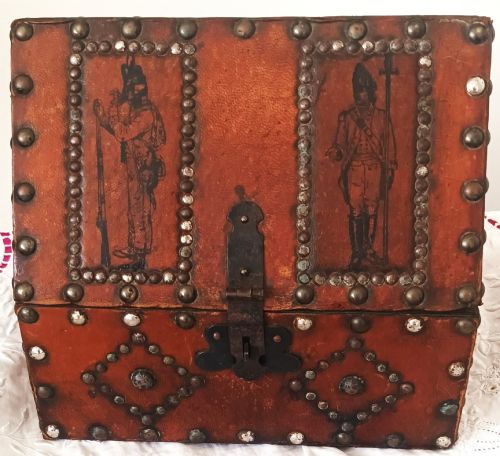
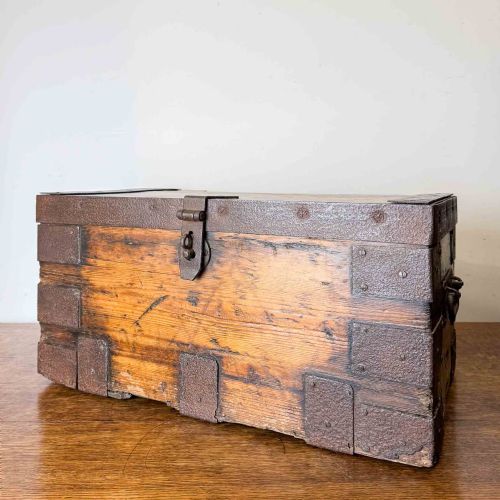
When you search for an antique ironbound chest, you are looking at sturdy boxes and coffers designed for travel or secure storage, reinforced with metal straps and brackets. The pieces you are most likely to meet on this page span the eighteenth and nineteenth centuries, taking the form of strongboxes, caskets, and trunks.
Originating from British, Scandinavian, and German workshops, these containers range from Georgian leather-bound caskets to rustic Scandinavian painted pine strongboxes. They vary from small silver boxes to large oak and pine trunks built to withstand heavy handling.
How they were made
Carpenters constructed the primary carcasses from solid timbers such as pine, oak, and elm, often shaping the wood into oval or rectangular boxes. They then applied hand-forged iron and wrought iron straps, hinges, and corner brackets to reinforce the structure.
Many Scandinavian and German examples feature a layer of paint over the wood, whilst others display exposed leather or natural timber grains. Blacksmiths hammered the iron bands by hand, securing them with numerous studs or rivets.
Antique Ironbound Chest Retail Price Guide 2026
Typical asking prices for ironbound chest among the pieces listed under this phrase on Sellingantiques today, from the lower quarter to the upper quarter. They describe what is for sale here now, not the wider market.
Several Scandinavian strongboxes wear bright green paint that survived centuries of keeping other people's secrets.
What varies in quality
The distinction between standard utility boxes and finer examples lies in the complexity of the ironwork and the quality of the timber preparation. Hand-forged strapwork with decorative shaping or engraving elevates a simple pine box into a piece of folk art.
Condition of original paintwork and surviving leather coverings also shifts the desirability of the piece. Well-preserved hand-painted surfaces from the eighteenth and nineteenth centuries command greater interest than plain or later painted pine.
The Antique Ironbound Chest Glossary
- Strongbox
- A secure container built for valuables, typically fitted with heavy iron straps and robust locking mechanisms. These boxes were essential for keeping money, documents, and plate safe in domestic or commercial settings.
- Coffeur
- A regional term often applied to continental European coffers or chests, particularly those from German workshops. They share the heavy iron banding characteristic of British and Scandinavian strongboxes.
- Casket
- A smaller, often more decorative box used for precious items, sometimes covered in leather or fine fabrics alongside metal reinforcement. Georgian examples frequently display refined finishes compared to utility trunks.
- Wrought iron
- Iron beaten into shape by a blacksmith, showing subtle surface irregularities from the hammer. This material provides the characteristic strapping on nineteenth-century and earlier chests.
Antique Ironbound Chest: Frequently Asked Questions
What were antique ironbound chests used for?
These chests served primarily for transporting and securing valuables, documents, and silver plate during travel or within the home.
Their robust construction protected contents from theft, moisture, and the rough handling associated with carriage and sea journeys.
How do I date an ironbound chest?
Dating relies on examining the timber species, construction techniques, and the style of the iron hinges and locks.
Eighteenth-century examples often use native oak or distinct continental framing, whilst nineteenth-century pieces frequently utilise pine with machine-assisted or simpler hand-forged ironwork.
Are painted finishes original on these chests?
Many Scandinavian and continental boxes retain early or original painted surfaces, often in green or earthy tones characteristic of folk art traditions.
Close inspection of the paint layers and wear patterns helps determine whether the finish dates to the period of manufacture.
How do I care for an antique wooden chest?
Keep the chest away from direct heat sources and dramatic humidity fluctuations to prevent the timber from splitting or warping.
Feed dry wood with a suitable wax polish periodically, and gently dust the iron straps without using abrasive cleaners.